Remote Vet Care for Exotic Animals: Telemedicine’s Rise
Published on January 14, 2026 by Admin
The Evolving Landscape of Exotic Pet Healthcare
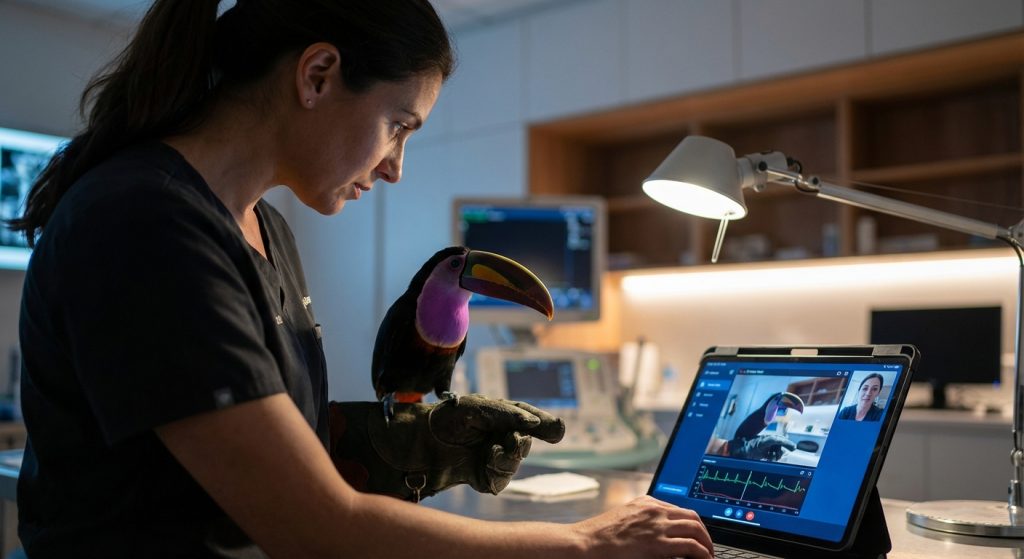
Exotic pets are increasingly popular. This includes reptiles, birds, and small mammals. Their care is specialized. It often requires expert knowledge. Finding these experts can be difficult. This is especially true for owners in remote areas. Fortunately, veterinary telemedicine is changing this. It offers new solutions. Remote diagnostics are becoming vital. This technology bridges geographical gaps. It connects owners with specialists. Therefore, it improves access to care.
The rise of telemedicine is significant. It’s transforming many industries. Veterinary medicine is no exception. For exotic animals, it’s particularly impactful. These animals have unique needs. Their owners need specialized advice. Telemedicine provides this. It allows for remote consultations. It also enables remote monitoring. This technology is a game-changer.
What is Veterinary Telemedicine?
Veterinary telemedicine uses technology. It delivers veterinary services remotely. This includes consultations and diagnostics. It uses video calls, phone calls, and secure messaging. It can also involve remote monitoring devices. For exotic pets, this means more. It means expert advice is accessible. It means timely interventions are possible. Therefore, it enhances animal welfare.
The core idea is simple. It’s about leveraging communication tools. These tools connect veterinarians and clients. They do this without physical presence. This is crucial for exotic species. Many owners struggle to transport their pets. Some exotic animals are fragile. Others are difficult to handle. Telemedicine removes this barrier. It makes care more convenient. It also makes it more efficient.
Benefits for Exotic Animal Owners
Owners of exotic pets gain much from telemedicine. Firstly, it offers unparalleled convenience. Scheduling appointments is easier. Travel time is eliminated. This saves valuable time and resources. Secondly, it provides access to specialists. Finding a vet with exotic animal expertise can be hard. Telemedicine opens up a wider network. Owners can connect with the best minds. This is true regardless of location. As a result, animals receive better care.
Furthermore, telemedicine can be cost-effective. It reduces travel expenses. It can also prevent minor issues from becoming major problems. Early intervention is key. Remote monitoring helps detect issues early. This can lead to lower overall veterinary bills. In addition, it reduces stress for the animal. Transporting exotic pets can be stressful. It can even be dangerous for some species. Telemedicine minimizes this distress. This leads to a calmer, healthier patient.
Benefits for Veterinarians
Veterinarians also benefit greatly. Telemedicine expands their reach. They can serve clients beyond their immediate area. This is especially beneficial for specialists. They can offer their expertise to more animals. This increases their practice’s potential. Moreover, it improves efficiency. Routine check-ups can often be done remotely. This frees up in-clinic time. It allows vets to focus on complex cases. As a result, practice management improves.
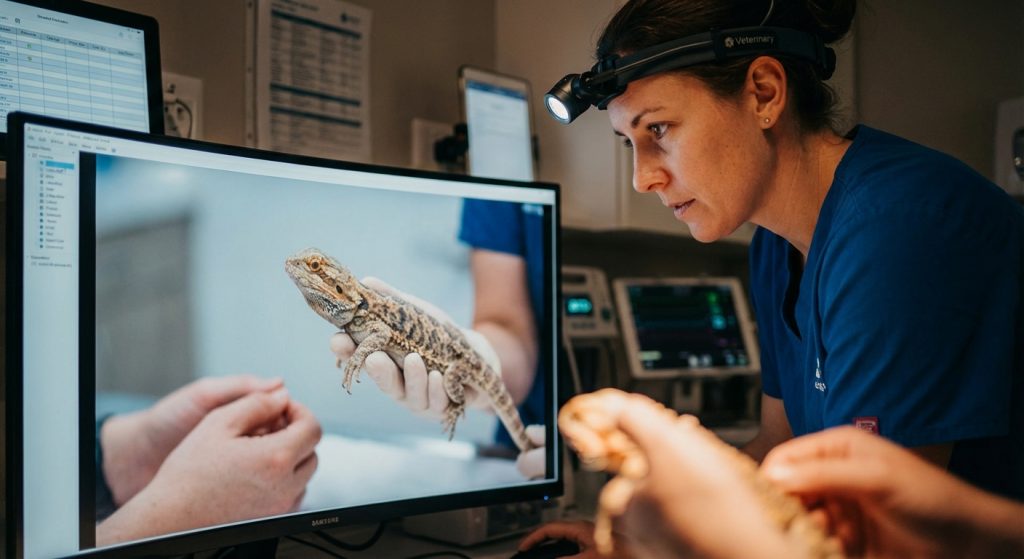
Telemedicine can also enhance diagnostic capabilities. While not a replacement for physical exams, it can supplement them. Sharing images and videos aids diagnosis. Vets can observe behavior remotely. This provides valuable context. For instance, observing a bird’s flight pattern or a reptile’s basking behavior can be very telling. This technology also supports ongoing care. Follow-up appointments are easier to manage. This ensures better patient outcomes. It’s a powerful tool for modern veterinary practice.
Remote Diagnostics: The Technology Behind It
Remote diagnostics in veterinary telemedicine rely on several key technologies. High-definition video conferencing is fundamental. It allows for visual assessment of the animal. Clear images and stable connections are crucial. Secure messaging platforms enable communication. They also allow for sharing of medical history. Digital radiography and ultrasound images can be transmitted. This allows specialists to review them. Wearable biosensors are also emerging. These can continuously monitor vital signs. This data can be sent directly to the vet. This represents a significant advancement in proactive care.
The integration of AI is also on the horizon. AI can help analyze diagnostic images. It can also assist in identifying patterns in patient data. This could lead to faster and more accurate diagnoses. For exotic animals, this is particularly valuable. Their symptoms can sometimes be subtle. AI tools might help detect these early. This technology is still evolving. However, its potential is immense. It promises to revolutionize how we diagnose and treat animals.
Challenges and Limitations
Despite its advantages, veterinary telemedicine has challenges. The primary limitation is the inability to perform a physical examination. This is crucial for many diagnoses. Palpation, auscultation, and sample collection are impossible remotely. Therefore, telemedicine is often complementary, not a replacement, for in-person visits. Secondly, connectivity issues can be a problem. Reliable internet access is essential. This can be a barrier in rural areas. It can also affect the quality of the consultation.
Regulatory hurdles also exist. Laws regarding telemedicine vary by region. Veterinarians must adhere to these regulations. This includes prescribing medication. Some jurisdictions have restrictions. Furthermore, client education is important. Owners need to understand the capabilities and limitations of telemedicine. They must also be comfortable using the technology. Ensuring data privacy and security is another concern. Robust systems are needed to protect client and patient information. These challenges are being addressed. However, they remain important considerations.
Specific Applications for Exotic Animals
Telemedicine is particularly useful for specific exotic animal needs. For instance, monitoring environmental parameters is key. Many exotic pets require precise temperature and humidity. Remote sensors can alert owners to deviations. This prevents health issues. For avian patients, observing respiratory patterns is vital. A veterinarian can guide an owner on what to look for. They can also interpret subtle changes. This is critical for early detection of illness. Similarly, for reptiles, observing feeding behavior and shedding cycles is important. Telemedicine allows for remote guidance on husbandry practices. These practices are critical for preventing metabolic bone disease or other common ailments.
For owners of less common species, telemedicine is invaluable. Finding a vet with expertise in a rare amphibian or invertebrate can be nearly impossible. Telemedicine connects them with global experts. This ensures the animal receives appropriate care. It also aids in owner education. Many exotic pet owners are passionate. They want to provide the best care. Telemedicine empowers them with knowledge. It helps them understand their pet’s specific needs better.
The Future of Exotic Animal Care
The future of exotic animal care is undoubtedly intertwined with telemedicine. As technology advances, so will its applications. We can expect more sophisticated remote diagnostic tools. AI-powered diagnostics will likely become standard. Wearable sensors will become more common. These will provide continuous health monitoring. This proactive approach will prevent many illnesses. It will also improve the management of chronic conditions. Furthermore, virtual reality could offer immersive training for owners. This would enhance their ability to care for their pets. The integration with electronic health records will also streamline care.
Moreover, telemedicine will foster greater collaboration among veterinarians. Specialists can easily consult with general practitioners. This collaborative approach benefits the animal immensely. It ensures a holistic view of its health. The goal is always improved animal welfare. Telemedicine is a powerful tool for achieving this. It makes expert care accessible. It empowers owners. It supports veterinarians. Therefore, it’s a crucial development for exotic pet healthcare.
Frequently Asked Questions (FAQ)
Can telemedicine replace a physical vet visit for exotic animals?
No, not entirely. While telemedicine is powerful for consultations, monitoring, and initial assessments, it cannot replace a hands-on physical examination. Many critical diagnostic procedures require a veterinarian to be physically present. Telemedicine is best used as a supplement to, or for follow-up care after, in-person visits.
What kind of exotic animals can benefit most from telemedicine?
All exotic animals can benefit, but particularly those that are difficult or stressful to transport, such as large reptiles, birds with respiratory issues, or very small mammals. Animals requiring precise environmental controls are also good candidates for remote monitoring.
What are the typical costs associated with veterinary telemedicine?
Costs vary depending on the service and the veterinarian. Generally, telemedicine consultations can be less expensive than in-person visits due to reduced overhead for the clinic and no travel costs for the owner. However, specialized consultations may still incur significant fees.
What technology do I need for a veterinary telemedicine appointment?
You will typically need a stable internet connection, a device with a camera and microphone (like a smartphone, tablet, or computer), and a well-lit space where you can safely present your pet. Some vets may also recommend specific apps or platforms.
Can my veterinarian prescribe medication through telemedicine for my exotic pet?
This depends on local regulations and the veterinarian’s assessment. In many cases, veterinarians can prescribe medications if they have a valid veterinarian-client-patient relationship (VCPR) and can confidently diagnose the condition remotely. However, this is not always possible, especially for new or complex cases.
Conclusion
Veterinary telemedicine is a transformative force. It is especially beneficial for exotic animal owners and specialists. The ability to connect remotely offers unprecedented access to expertise. It provides convenience and reduces stress for animals. While challenges remain, the technology is rapidly advancing. Therefore, it promises an even brighter future for exotic pet healthcare. By embracing these remote solutions, we can ensure better health and well-being for a wider range of fascinating creatures. This evolution supports the growing need for specialized care in the exotic pet community.