
Bio-Luminescence: The Future of Sustainable Street Lighting?
Published on January 14, 2026 by Admin
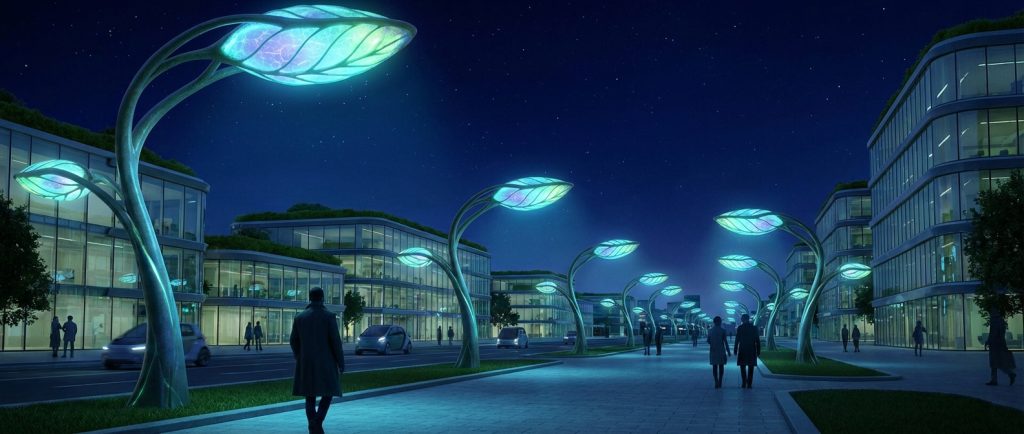
Cities are growing. Energy demands are rising. Traditional street lighting consumes vast amounts of electricity. It also contributes to light pollution. This impacts ecosystems and human health. Therefore, we need sustainable alternatives. Bio-luminescence offers a fascinating possibility. It harnesses nature’s own light. This article explores its potential for urban environments.
What is Bio-Luminescence?
Bio-luminescence is a natural phenomenon. It is the production of light by living organisms. This light is generated through a chemical reaction. It typically involves a molecule called luciferin and an enzyme called luciferase. Many organisms exhibit this trait. Examples include fireflies, some fungi, and marine life. The light produced is cool. It emits very little heat. This makes it highly energy-efficient.
The Science Behind Nature’s Glow
The core reaction is quite simple. Luciferin is oxidized. This reaction is catalyzed by luciferase. It releases energy in the form of light. Different organisms have variations of these molecules. This leads to different colors and intensities of light. For instance, some deep-sea creatures produce blue light. Fireflies often emit yellow-green light. Understanding these mechanisms is key. It helps us replicate the process artificially.
Bio-Luminescence in Urban Lighting: The Vision
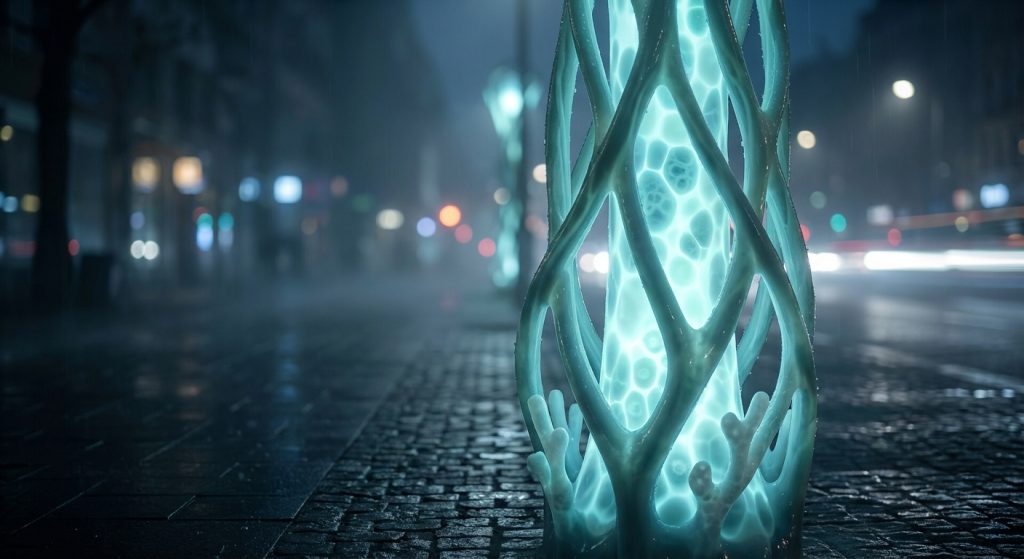
Imagine streets softly illuminated by glowing trees. Picture parks lit by bio-luminescent pathways. This is the future bio-luminescence could bring. It promises a gentler, more natural form of urban lighting. Instead of harsh lamps, we could have living light sources. This would significantly reduce energy consumption. Furthermore, it would minimize light pollution. This is crucial for urban biodiversity.
Benefits for Lighting Engineers
For lighting engineers, bio-luminescence presents new challenges and opportunities. They can explore novel light distribution patterns. They can also consider the biological life cycles of the light sources. Maintenance would involve biological care, not just bulb replacement. This requires a shift in thinking. It moves from purely electrical systems to bio-integrated ones.
Benefits for Urban Planners
Urban planners can envision more integrated city designs. Bio-luminescent lighting can blend seamlessly with green spaces. It can enhance the aesthetic appeal of public areas. It can also contribute to a healthier urban environment. Reduced light pollution aids nocturnal wildlife. It also improves human sleep patterns. This aligns with the growing focus on sleep science and well-being.
Benefits for Bio-Engineers
Bio-engineers are at the forefront of this innovation. They are crucial for developing stable and controllable bio-luminescent systems. Their work involves genetic engineering and synthetic biology. They aim to create organisms or components that reliably produce light. This could involve modifying existing bio-luminescent species. It might also involve synthesizing the necessary chemical components.
Current State of Bio-Luminescent Technology
While the concept is exciting, practical application is still developing. Research is ongoing in several areas. Scientists are working on enhancing the brightness and longevity of bio-luminescent organisms. They are also exploring methods for containing and controlling the light. For example, some research focuses on using genetically modified algae or bacteria. These can be housed in specialized structures.
Challenges and Hurdles
Several challenges need to be overcome. Firstly, the intensity of natural bio-luminescence is often low. It may not be sufficient for all urban lighting needs. Secondly, controlling the light output is difficult. Organisms have natural cycles. Their light production can vary. Thirdly, environmental factors like temperature and pollution can affect their performance. Finally, public acceptance and regulatory frameworks are important considerations.
Existing Applications and Research
Some small-scale applications already exist. Bio-luminescent algae are used in some decorative installations. Research labs are experimenting with creating self-illuminating plants. These could eventually be used for ambient lighting. The field is dynamic. Breakthroughs are expected as research progresses. For instance, advancements in gene editing could accelerate the development of optimized organisms.
Comparing Bio-Luminescence to Traditional and LED Lighting
Traditional streetlights, like sodium vapor lamps, are energy-intensive. They also produce significant light pollution. LED (Light Emitting Diode) lighting is more efficient. It offers better control and a longer lifespan. However, LEDs still require electricity. They also contribute to light pollution, albeit less than older technologies. Bio-luminescence offers a fundamentally different approach. It is self-powered and potentially much gentler on the environment.
Energy Efficiency Comparison
Bio-luminescence is inherently energy-efficient. The light is a byproduct of biological processes. This means no external electrical input is needed for the light generation itself. This contrasts sharply with traditional lighting. Even LEDs, while efficient, rely on a constant power supply. This makes bio-luminescence a truly renewable lighting source.
Environmental Impact: Light Pollution and Beyond
Light pollution from artificial sources disrupts wildlife. It can affect insect populations, bird migration, and plant cycles. Bio-luminescent light is generally less disruptive. Its spectrum is often more natural. Furthermore, many bio-luminescent organisms are part of natural ecosystems. Their use could potentially integrate lighting with ecological restoration. This ties into broader concepts of urban rewilding.
Cost Considerations
Initial research and development costs for bio-luminescent lighting are high. However, long-term operational costs could be significantly lower. This is due to reduced energy consumption and potentially lower maintenance needs for the light-generating components. The lifecycle cost analysis will be crucial for widespread adoption.
The Potential Applications in Urban Infrastructure
Beyond streetlights, bio-luminescence could transform urban spaces. Think of glowing signage or decorative lighting. It could also be used for safety markers. Imagine pathways in parks that softly glow at night. This would enhance safety without the harshness of conventional lights. Even building facades could be designed to incorporate living light elements.
Public Spaces and Parks
Parks and public squares could become magical at night. Gentle, bio-luminescent lighting would create inviting atmospheres. It would also support nocturnal wildlife. This would make these spaces more valuable for both humans and nature. Imagine a serene walk through a park lit by the soft glow of fungi or plants.
Transportation Networks
Roadways and pedestrian paths could benefit. Softly glowing markers could guide travelers. This could reduce the need for high-intensity streetlights in certain areas. This would be particularly useful for bike paths or nature trails within cities. It could also improve safety in areas where traditional lighting is difficult to install.
Architectural Integration
Architects could incorporate bio-luminescent materials into building designs. This could lead to buildings that subtly glow at night. This would offer a unique aesthetic. It would also contribute to a more sustainable urban landscape. Imagine structures that are alive with light.
Ethical and Safety Considerations
As with any new technology, ethical questions arise. If using genetically modified organisms, safety protocols are paramount. Ensuring they do not become invasive or harmful is critical. Public perception and education are also important. People need to understand the technology to embrace it.
Containment and Control
Effective containment strategies are essential. This ensures that bio-luminescent organisms remain within designated areas. It also prevents unintended ecological consequences. Bio-engineers are developing robust systems for this purpose. For example, using sterile organisms or contained bio-reactors. The goal is to harness the light without disrupting natural balances.
Public Perception and Acceptance
Introducing living light into cities requires public buy-in. Education campaigns can explain the benefits and safety measures. Demonstrating successful pilot projects will build confidence. It’s important to address concerns about safety and environmental impact proactively. This is similar to discussions around other bio-engineered solutions, such as those in bio-plastics.
The Road Ahead: Research and Development Needs
Significant research and development are still needed. Key areas include increasing light output, ensuring stability, and developing cost-effective production methods. Further studies on long-term ecological impacts are also vital. Collaboration between scientists, engineers, and urban planners will be crucial for success.
Enhancing Light Intensity and Longevity
Current bio-luminescent sources often lack the brightness needed for many applications. Improving this requires further genetic engineering. We need to optimize the biochemical pathways involved. Extending the lifespan of the light-producing organisms or components is also key. This will reduce the frequency of replacement.
Developing Scalable Production Methods
To be viable for urban lighting, bio-luminescent solutions must be scalable. This means developing efficient ways to produce large quantities of light-generating material. This could involve advanced bioreactor technologies or large-scale cultivation of specific organisms. Cost-effectiveness will be a major driver here.
Conclusion: A Bright, Sustainable Future?
Bio-luminescence holds immense promise. It offers a pathway to truly sustainable urban lighting. By harnessing nature’s light, we can reduce energy consumption. We can also mitigate light pollution. While challenges remain, ongoing research is encouraging. The vision of cities softly glowing with natural light is an inspiring one. It represents a harmonious integration of technology and nature. This could redefine our urban landscapes for generations to come.
Frequently Asked Questions
Is bio-luminescent lighting safe for humans?
Yes, current research suggests bio-luminescent lighting is safe. The light is produced by natural biological processes and does not emit harmful radiation. Safety protocols are in place, especially for genetically modified organisms, to ensure they are contained and do not pose a risk.
How does bio-luminescence compare to LED lighting in terms of energy use?
Bio-luminescence is inherently more energy-efficient because it generates light through biological processes, requiring no external electricity for the light production itself. LEDs, while efficient, still require a constant electrical power source.
Can bio-luminescent lighting replace all current streetlights?
Not in the immediate future. Current bio-luminescent technology often has lower intensity and controllability issues compared to LEDs. However, it shows great promise for specific applications like ambient lighting, decorative features, and pathways, gradually complementing or replacing traditional lighting in certain areas.
What are the main challenges in implementing bio-luminescent street lighting?
The main challenges include achieving sufficient light intensity, ensuring consistent and controllable light output, developing cost-effective large-scale production methods, and addressing public perception and regulatory hurdles. Long-term ecological impact studies are also ongoing.
Are there any real-world examples of bio-luminescent lighting in cities?
While widespread use is still in development, there are small-scale pilot projects and installations using bio-luminescent algae for decorative purposes. Research is actively exploring applications in public spaces and architectural integration, with more significant implementations expected in the coming years.
