Global Seed Vaults: Securing Earth’s Flora Blueprint
Published on January 14, 2026 by Admin
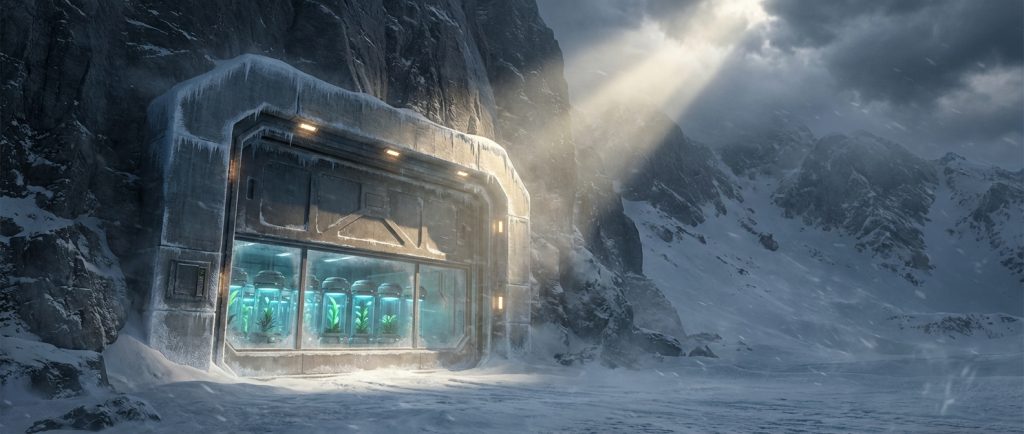
Our planet’s botanical diversity is a treasure. It sustains us, offering food, medicine, and ecological balance. However, this vital genetic heritage faces numerous threats. Therefore, global seed vaults stand as crucial safeguards. These facilities preserve the genetic blueprint of our flora. They ensure future food security and resilience. Let’s explore their importance and function.
The Imperative of Crop Diversity
Crop diversity is fundamental to our food supply. It provides a wide array of options. These options help us adapt to challenges. Climate change and population growth are significant issues. They demand resilient food systems. Losing a crop variety is irreversible. It is akin to the extinction of any other life form. Therefore, safeguarding this diversity is paramount.
More than 1,700 genebanks worldwide hold collections. These collections are vital for safekeeping. Yet, many are vulnerable. Natural disasters and war pose risks. Avoidable issues like poor funding or management are also threats. Even a faulty freezer can destroy an entire collection. This highlights the need for robust backup systems.
Svalbard Global Seed Vault: An Arctic Sanctuary
The Svalbard Global Seed Vault is a prime example. It is a secure backup facility. It is located on the Norwegian island of Spitsbergen. This remote Arctic location offers unique advantages. The vault provides long-term storage for seed duplicates. These seeds come from gene banks across the globe. Its purpose is to secure the world’s food supply. It acts as an insurance policy against catastrophic loss.
The Norwegian government entirely funded its construction. The cost was approximately 45 million Norwegian kroner. This equates to about US$8.8 million in 2008. Norway and the Crop Trust now cover operational costs. Storing seeds there is free for depositors. This encourages broad participation.
Why Svalbard? A Strategic Location
Svalbard’s location is ideal for several reasons. Firstly, it is extremely remote. This isolation offers protection. However, it remains accessible via scheduled flights. Secondly, the vault itself is built deep inside a mountain. It is more than 100 meters into the rock. This provides an additional layer of security.
Furthermore, the area is geologically stable. Humidity levels are naturally low. The vault is also well above sea level. This protects it from potential ocean flooding. Critically, the permafrost provides natural freezing. This is a fail-safe method for seed conservation. It also reduces energy costs.
The Vault’s Capacity and Contents
The Svalbard Global Seed Vault has immense capacity. It can store up to 4.5 million crop varieties. Each seed packet typically contains around 500 seeds. This means a maximum of 2.5 billion seeds can be stored. As of May 2024, it holds over 1.3 million seed samples. These samples represent almost every country globally. They include unique varieties of major food staples. Examples include maize, rice, wheat, cowpea, and sorghum. It also houses European and South American varieties of eggplant, lettuce, barley, and potato.
The vault aims to store as much unique crop genetic material as possible. It also seeks to avoid unnecessary duplication. Assembling the full collection takes time. Some genebanks need to multiply their seed stocks. Others require regeneration before shipping. Therefore, the collection grows over time.
The vault marked its 15th anniversary in February 2023. It received nearly 20,000 seed samples then. These came from 20 genebank depositors. Some were first-time depositors. The Cherokee Nation was the first Indigenous group from North America. They deposited seeds of nine heirloom food crops. This highlights the vault’s role in preserving diverse heritage.
Operational Management and Security
The Svalbard Global Seed Vault is a collaborative effort. It is owned by Norway. Management is a partnership. Key partners include the Norwegian Ministry of Agriculture and Food. NordGen, the Nordic Genetic Resource Center, is also involved. The Global Crop Trust plays a crucial role. This tripartite agreement outlines the vault’s operations.
The seeds are stored in custom-made, three-ply foil packages. These are sealed inside boxes. They are then placed on shelves within the vault. The low temperature, around -18°C, is essential. This temperature ensures low metabolic activity. Consequently, seeds remain viable for extended periods. The permafrost and thick rock layers maintain this cold. This is true even if power is lost. This fail-safe mechanism is vital for long-term preservation.
As of June 2025, the vault conserves 1,355,591 accessions. These represent over 13,000 years of agricultural history. This vast collection safeguards against various threats. These include mismanagement, accidents, equipment failures, and funding cuts. War, sabotage, disease, and natural disasters are also covered. The vault is a global backstop for food security.
The Broader Context of Seed Preservation
The Svalbard Global Seed Vault is not the only such facility. However, it serves as the ultimate insurance policy. It secures millions of seeds. These seeds represent every important crop variety available today. They offer future generations options. These options are critical for overcoming future challenges. This includes the impacts of climate change and a growing global population.
This initiative operates under the framework of the International Plant Treaty. This treaty is crucial for plant genetic resources. It provides a multilateral system. This system ensures access to materials. It also facilitates benefit-sharing. The Food and Agriculture Organization of the United Nations (FAO) hosts this treaty. Therefore, the vault is a key component of global food security efforts.
The concept of seed banking is not new. The Nordic Gene Bank began storing backups in 1984. They used frozen seeds in an abandoned coal mine. However, the Svalbard Global Seed Vault represents a significant leap forward. It is a dedicated, state-of-the-art facility. It is designed for maximum security and longevity.
Addressing Potential Threats and Future Challenges
While Svalbard is a secure location, challenges can arise. In October 2016, water intrusion occurred. This was due to high temperatures and heavy rainfall. While some water seepage is expected, significant intrusion is a concern. This event highlighted the need for continuous monitoring and adaptation. Protecting this invaluable resource requires ongoing vigilance.
The vault’s existence also sparks imagination. In discussions about apocalyptic or post-apocalyptic scenarios, its fate is often pondered. Some wonder if it has been reached. Others question if it was destroyed. Its existence serves as a reminder of our reliance on biodiversity. It also highlights the potential fragility of our food systems.
The Svalbard Global Seed Vault is more than just a storage facility. It is a symbol of global cooperation. It represents our collective commitment to safeguarding the future of food. Its success depends on continued international support and collaboration. The Crop Trust, for instance, is involved in many other vital projects. These projects further bolster agricultural resilience.
Frequently Asked Questions
What is the primary purpose of the Svalbard Global Seed Vault?
The primary purpose is to serve as a secure backup facility for the world’s crop diversity. It safeguards duplicates of seeds stored in gene banks worldwide. This protects our food supply against loss due to mismanagement, war, or natural disasters.
Who owns and manages the Svalbard Global Seed Vault?
The vault is owned by Norway. It is managed in partnership between the Norwegian Ministry of Agriculture and Food, NordGen (the Nordic Genetic Resource Center), and the Global Crop Trust.
What are the storage conditions inside the vault?
Seeds are stored at a temperature of -18°C (-0.4°F). This low temperature and low moisture level ensure low metabolic activity, keeping the seeds viable for long periods. The natural permafrost and thick rock also help maintain these conditions, even without power.
How many seed samples does the vault hold?
As of May 2024, the vault holds more than 1.3 million seed samples. It has a total capacity for 4.5 million varieties, which could equate to up to 2.5 billion seeds.
Are the seeds in Svalbard accessible for use?
The seeds are intended as a backup. If a genebank loses its collection, it can request its duplicate seeds from Svalbard. The seeds remain the property of the depositors.
Conclusion
In conclusion, global seed vaults, with the Svalbard Global Seed Vault as their flagship example, are indispensable. They are critical for preserving our planet’s botanical genetic heritage. This heritage is the foundation of our food security. It is also vital for adapting to future environmental challenges. By backing up genebank collections, these vaults provide an essential safety net. They ensure that the genetic blueprint of our flora is secured for generations to come. Therefore, continued support for these initiatives is not just prudent; it is essential for the survival and resilience of humanity.