Wastewater Surveillance: A Powerful Public Health Tool
Published on January 19, 2026 by Admin

Public health officials face constant challenges. Detecting disease outbreaks early is crucial. This allows for faster responses. It helps save lives. Traditional methods often rely on clinical cases. These cases appear after illness has spread. This can be too late for some diseases. Therefore, new strategies are needed. Wastewater surveillance offers a powerful solution.
This method analyzes sewage. It detects pathogens and chemical markers. These are present in human waste. It provides an early warning system. It tracks disease trends in communities. This happens before widespread symptoms appear. It is a non-invasive approach. It offers unique insights into population health.
The Foundation of Wastewater Surveillance
Wastewater systems collect waste from homes and businesses. This includes urine and feces. These contain valuable biological information. Pathogens like viruses, bacteria, and parasites are shed. They enter the sewer system. Chemical compounds are also present. These can include drugs, illicit substances, and environmental toxins.
By sampling and analyzing this wastewater, officials can gain a snapshot. This snapshot reflects the health of a community. It is an aggregate measure. It does not identify individuals. This protects privacy. It offers a broad overview of public health. It is particularly useful for infectious diseases. It can track trends over time.
How the System Works
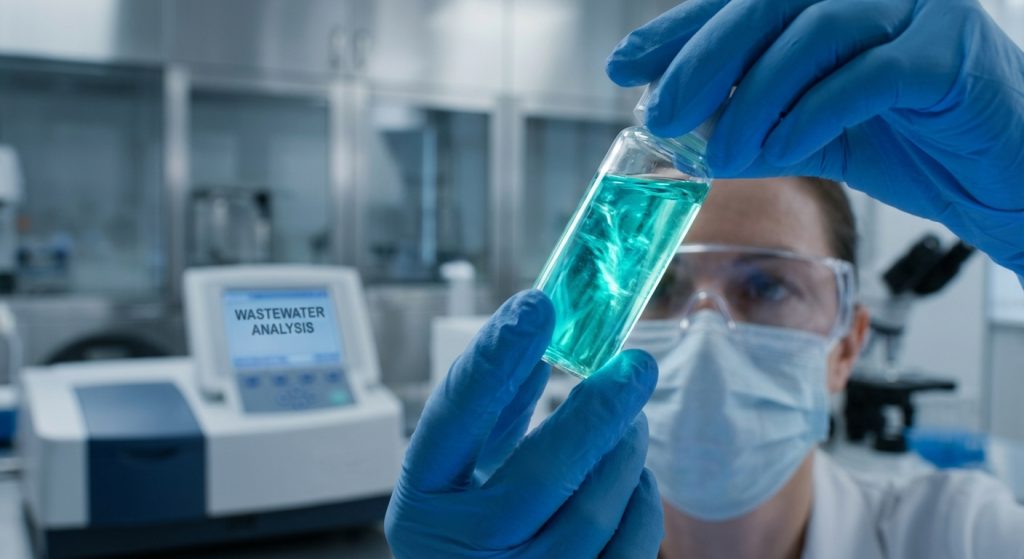
The process involves several key steps. Firstly, samples are collected. These are taken from various points in the sewer network. This might include manholes or treatment plants. Secondly, samples are transported to a lab. Strict protocols ensure sample integrity. Thirdly, laboratory analysis begins. Various techniques are used. These include PCR and sequencing.
These methods identify specific genetic material. This material belongs to the target pathogens. Scientists can quantify the amount present. This helps estimate the level of infection. They can also detect chemical signatures. These signatures indicate drug use or exposure to toxins.
Key Benefits for Public Health
- Early Detection: It can identify outbreaks before many people get sick. This allows for rapid intervention.
- Community-Level Data: It provides a picture of disease prevalence across a population.
- Privacy Protection: It does not identify individuals. This ensures confidentiality.
- Cost-Effectiveness: It can be more efficient than widespread clinical testing.
- Trend Monitoring: It tracks the rise and fall of diseases over time. This helps in resource allocation.
- Detection of Novel Threats: It can identify new or emerging pathogens.
Applications in Disease Monitoring
Wastewater surveillance has proven invaluable. It has been used to track many diseases. For example, it played a role in monitoring avian influenza. The COVID-19 pandemic highlighted its importance. Scientists tracked SARS-CoV-2 variants. They could see the spread of different strains. This helped inform public health policies. It guided vaccination strategies.
Furthermore, it is useful for other infectious agents. This includes poliovirus. Tracking poliovirus in wastewater is critical. It helps efforts to eradicate the disease. It can also monitor influenza. It tracks seasonal flu trends. This aids in vaccine development. It also helps predict flu season severity.
Tracking Viral Shedding
Many viruses are shed in feces. This happens even in asymptomatic individuals. Therefore, wastewater can contain viral RNA or DNA. This allows for detection. The concentration of the virus in wastewater correlates with community infection levels. This is a powerful indicator. It reflects the overall burden of disease.
For instance, the amount of poliovirus detected in sewage can indicate circulation. This is especially true in areas with low vaccination rates. Similarly, SARS-CoV-2 shedding in stool allowed for its detection. This occurred even before significant clinical cases emerged. This early signal is vital for public health action.
Monitoring Antibiotic Resistance
Antibiotic resistance is a growing global threat. Wastewater contains antibiotic-resistant bacteria. It also contains antibiotic resistance genes. Analyzing these can reveal the prevalence of resistance. This information is crucial. It helps understand the spread of superbugs. It guides strategies to combat resistance. This is a significant advancement. It complements clinical surveillance.
Understanding resistance patterns in a community is key. Wastewater data provides this insight. It can identify emerging resistance mechanisms. This allows for proactive measures. It helps preserve the effectiveness of existing antibiotics. This is a critical public health endeavor. It is closely related to the challenges of antibiotic resistance.
Expanding Beyond Infectious Diseases
The utility of wastewater surveillance extends further. It is not limited to infectious agents. It can also detect other substances. For example, it can monitor drug use. This includes both prescription and illicit drugs. It provides data on community-wide consumption patterns. This helps public health agencies understand substance abuse trends.
This data can inform prevention and treatment programs. It allows for targeted interventions. It helps allocate resources effectively. It offers a comprehensive view of community well-being. It is a powerful tool for public health planning. It supports evidence-based decision-making.
Illicit Drug Use Patterns
By analyzing wastewater, authorities can estimate drug consumption. They can detect substances like opioids, stimulants, and cannabis. This provides an objective measure. It complements surveys and treatment data. It reveals geographical hotspots. It can also track changes in drug use over time. This is particularly useful for emerging synthetic drugs.
This information is vital for harm reduction. It helps public health officials respond to drug crises. It guides law enforcement efforts. It supports public awareness campaigns. It offers a unique perspective on a complex issue. It is a critical component of public health monitoring.
Environmental Monitoring
Wastewater can also reveal environmental exposures. It can detect pollutants. These might include heavy metals or industrial chemicals. Monitoring these substances helps identify sources of contamination. It can assess population exposure levels. This is important for environmental health. It protects communities from harmful agents.
For instance, detecting elevated levels of certain chemicals can signal pollution events. This allows for swift investigation. It helps implement remediation measures. It is a proactive approach to environmental protection. It safeguards public health from environmental hazards.
Challenges and Future Directions
Despite its strengths, wastewater surveillance faces challenges. Standardizing methods across different labs is one. Ensuring consistent sample collection is another. The presence of inhibitors can affect analysis. Furthermore, interpreting the data requires expertise. Relating wastewater concentrations to actual infection rates needs refinement. It is an evolving field.
However, the future is promising. Advances in technology are improving sensitivity. New analytical techniques offer greater precision. Machine learning and AI can help process complex data. This will enhance predictive capabilities. Integration with other data sources will strengthen insights. This offers a more holistic view of public health.
Standardization and Harmonization
Currently, protocols can vary. This makes comparing data difficult. Efforts are underway to standardize methods. This includes sample collection, preservation, and analysis. Harmonizing these processes is crucial. It will allow for better data sharing. It will enable more robust national and international surveillance.
Collaboration between researchers and public health agencies is key. This fosters the development of best practices. It ensures the reliability of the data. This standardization is essential for widespread adoption. It builds confidence in the system. It is a vital step for global health security.
Technological Advancements
New technologies are constantly emerging. These include improved DNA/RNA extraction methods. More sensitive PCR and sequencing techniques are available. Digital PCR offers precise quantification. Nanotechnology may offer novel detection methods. These advancements increase the scope and accuracy of surveillance. They allow for the detection of lower concentrations.
The ability to detect a wider range of targets is also growing. This includes not just viruses but also bacteria and fungi. It can also identify biomarkers for chronic diseases. This opens up new possibilities. It expands the application of wastewater surveillance. It is a dynamic and innovative area. It holds immense potential for public health. It can complement other surveillance methods, like those used in disease outbreak prevention.
Conclusion: A Vital Tool for a Healthier Future
Wastewater surveillance systems are a game-changer. They provide an early warning system. They offer population-level health insights. They are non-invasive and protect privacy. Their applications range from infectious diseases to drug use and environmental monitoring.
As technology advances, their capabilities will grow. They will become even more critical. They empower public health officials. They enable data-driven decisions. They contribute to healthier communities. Investing in and expanding these systems is vital. It is an investment in our collective future. Indeed, understanding the broader picture of health can be informed by diverse data streams. For example, advancements in telemedicine and AI also contribute significantly to modern public health strategies.
Frequently Asked Questions
How does wastewater surveillance protect individual privacy?
Wastewater surveillance analyzes pooled samples from entire communities. It does not identify specific individuals. Therefore, it inherently protects personal health information.
Can wastewater surveillance detect all types of diseases?
It is most effective for diseases where pathogens are shed in human waste. This includes many viral and bacterial infections. It is less suitable for diseases not transmitted through this route. However, its applications are expanding.
How quickly can results from wastewater surveillance be obtained?
The turnaround time can vary. It depends on the sampling frequency and laboratory capacity. However, results can often be available within days. This provides a timely warning.
What is the difference between clinical surveillance and wastewater surveillance?
Clinical surveillance tracks diagnosed cases in individuals. Wastewater surveillance monitors pathogen presence in the collective waste of a community. The latter provides an earlier, broader signal.
Can wastewater surveillance predict the severity of an outbreak?
It can indicate the level of pathogen circulation. This helps assess the potential scale of an outbreak. However, predicting exact severity also requires clinical data and other epidemiological factors.