Horizontal Gene Transfer: Unseen Risks in Biology
Published on January 19, 2026 by Admin
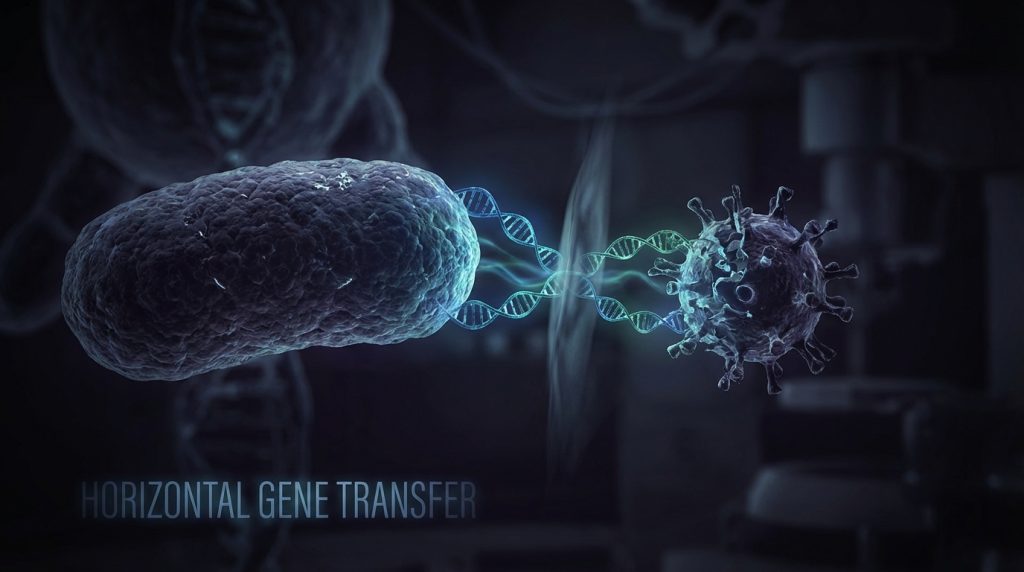
Horizontal gene transfer (HGT) is a powerful force. It allows organisms to gain new traits. This happens outside of traditional inheritance. HGT plays a vital role in evolution. However, it also carries significant risks. These risks are especially concerning in molecular biology. Understanding these dangers is crucial for researchers. It helps us manage potential threats effectively.
What is Horizontal Gene Transfer?
Firstly, let’s define HGT. It’s the movement of genetic material. This occurs between organisms. It is not parent to offspring. Instead, it’s lateral. Think of it as borrowing or stealing genes. This is different from vertical gene transfer. Vertical transfer is from parents to their children. HGT is common in bacteria. It’s also found in archaea and eukaryotes. It can happen through several mechanisms.
Key Mechanisms of HGT
Several processes facilitate HGT. These are well-studied in microbiology. Understanding them is key to grasping the risks.
- Transformation: Bacteria take up DNA fragments. These fragments come from their environment. The DNA might be from dead bacteria.
- Transduction: Viruses carry bacterial DNA. These viruses are called bacteriophages. They infect one bacterium. Then, they transfer its DNA to another.
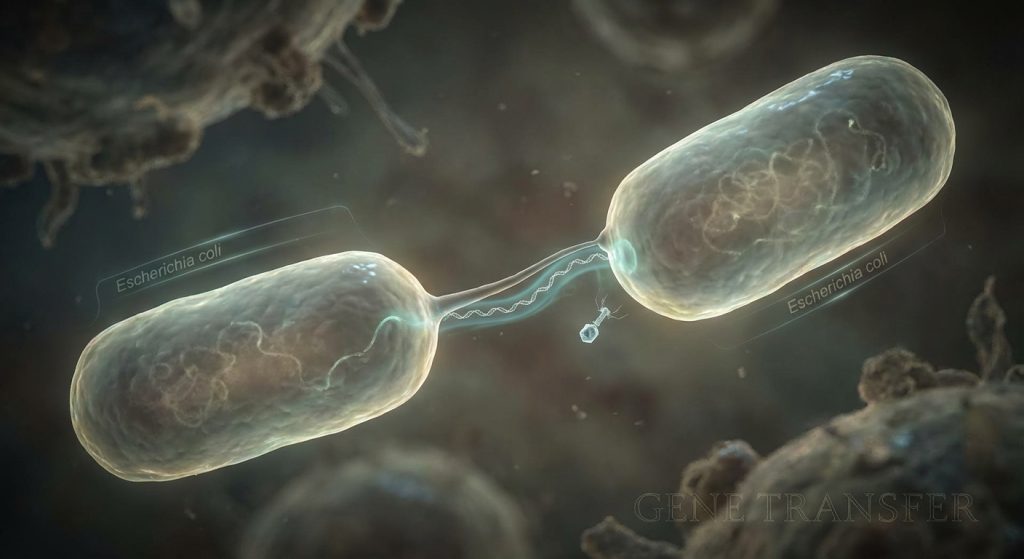
- Conjugation: This is direct cell-to-cell contact. One bacterium transfers DNA to another. It often uses a pilus. This is like a bridge between cells. Plasmids are commonly transferred this way.
Moreover, these mechanisms are efficient. They enable rapid adaptation. Organisms can acquire new abilities quickly. This is a double-edged sword, however.
The Perils of HGT: A Deeper Look
The ability to acquire new genes is powerful. It can lead to beneficial traits. For example, it can help organisms adapt to new environments. Yet, this same power can be dangerous. The risks are multifaceted and significant.
The Rise of Antibiotic Resistance
Perhaps the most well-known risk is antibiotic resistance. Bacteria can acquire genes. These genes confer resistance to antibiotics. This happens through HGT. For instance, a non-resistant bacterium can become resistant. It might receive a resistance gene via conjugation. Therefore, a single resistant bacterium can spread resistance widely. This poses a major threat to public health. The World Health Organization calls it a top global threat. The spread of antimicrobial resistance (AMR) is a complex issue. You can learn more about global AMR surveillance data to understand its scope.
Furthermore, this resistance spreads rapidly. It makes infections harder to treat. Common infections can become deadly. This is a direct consequence of HGT in action.
Virulence Factor Transfer
HGT can also transfer virulence factors. These are genes that make pathogens more dangerous. They can enhance their ability to infect hosts. They can also help them evade the immune system. For example, genes for toxin production can spread. This can turn a mild pathogen into a severe one. As a result, diseases become more difficult to manage.
Therefore, new strains of pathogens can emerge. These strains may be more aggressive. They can cause outbreaks more easily. This is a serious concern for infectious disease specialists.
Environmental Impacts
Beyond human health, HGT has environmental implications. Genetically modified organisms (GMOs) are a key area. Genes from GMOs could potentially transfer to wild relatives. This is called gene flow. It might alter the genetic makeup of wild populations. For example, herbicide resistance genes could spread. This could lead to the evolution of “superweeds.”
In addition, HGT can impact microbial communities. For instance, the transfer of genes related to pollutant degradation could occur. This might seem beneficial. However, it could also lead to unintended consequences. It might disrupt natural ecological balances. It’s important to consider these broader effects. The study of phytoremediation, for example, shows how microbes can be leveraged, but HGT adds complexity.
Biotechnology and HGT Concerns
Modern biotechnology relies heavily on gene manipulation. Techniques like CRISPR are powerful tools. They allow precise gene editing. However, these advancements also raise HGT concerns. Accidental release of engineered organisms is a worry. These organisms might carry novel genetic traits. Their interaction with natural ecosystems needs careful study. The potential for unintended gene transfer is always present.
Thus, robust containment strategies are vital. They are essential for safe research and development. We must ensure that engineered genes do not escape into the wild. This is a critical aspect of responsible innovation.
Managing the Risks: Strategies and Precautions
Given these risks, proactive management is essential. Molecular biologists employ several strategies. These aim to mitigate the dangers of HGT.
Containment and Biosafety Measures
Firstly, strict biosafety protocols are paramount. Laboratories use physical containment. This prevents the escape of genetically modified organisms. Think of specialized facilities. These have controlled environments. They are designed to keep microbes contained. This is a fundamental aspect of lab safety. It is crucial for preventing unintended gene spread.
Moreover, researchers follow guidelines. These guidelines are often set by regulatory bodies. They dictate how to handle and dispose of biological materials. Adherence to these rules is non-negotiable.
Monitoring and Surveillance
Secondly, continuous monitoring is key. Surveillance systems track the spread of resistance genes. They also monitor emerging pathogens. This helps detect potential problems early. For example, wastewater surveillance can provide insights. It can detect the presence of antibiotic-resistant genes in communities. This is a powerful tool for public health. The field of wastewater surveillance is rapidly advancing.
Therefore, early detection allows for swift intervention. It helps to contain threats before they become widespread. This proactive approach is more effective. It is also more cost-efficient than reacting to a crisis.
Responsible Innovation in Biotechnology
Thirdly, responsible innovation is crucial. Biotechnology companies and researchers must consider HGT risks. They should design organisms with built-in safeguards. For instance, some engineered organisms are designed to survive only in specific conditions. This limits their ability to persist in the environment. As a result, their potential for unwanted gene transfer is reduced.
Furthermore, ethical considerations are important. We must weigh the benefits of new technologies against potential risks. Open discussion and transparency are vital. This ensures public trust and informed decision-making.
The Future of HGT Research
Research into HGT continues. Scientists are exploring new mechanisms. They are also developing better detection methods. Understanding HGT is vital for many fields. This includes medicine, agriculture, and environmental science. For instance, understanding how genes spread can help us combat superbugs. It can also help us develop more sustainable agricultural practices. The ongoing exploration of synthetic biology offers new avenues for tackling microbial threats.
In conclusion, HGT is a fundamental biological process. It drives evolution and adaptation. However, it also presents tangible risks. These range from antibiotic resistance to environmental disruption. By understanding these risks and implementing robust safety measures, we can harness the power of HGT. We can do so while minimizing its potential dangers. This ensures a safer and healthier future for all.
Frequently Asked Questions
Is Horizontal Gene Transfer always dangerous?
No, HGT is not always dangerous. It is a natural process that drives evolution. It can lead to beneficial adaptations. However, certain contexts, like the spread of antibiotic resistance, pose significant risks.
How does HGT contribute to antibiotic resistance?
HGT allows bacteria to acquire genes that confer resistance to antibiotics. These genes can spread rapidly between bacterial populations. This makes infections much harder to treat.
Can HGT affect humans directly?
While HGT primarily occurs between microbes, it can indirectly affect humans. For example, the spread of antibiotic resistance makes human infections more dangerous. Also, some pathogens acquire virulence factors through HGT, leading to more severe human diseases.
What are the main mechanisms of HGT?
The main mechanisms are transformation (uptake of free DNA), transduction (viral transfer of DNA), and conjugation (direct cell-to-cell transfer of DNA).
How is HGT managed in research settings?
Researchers use strict biosafety protocols, including physical containment and controlled laboratory environments. They also adhere to regulatory guidelines for handling genetically modified organisms and biological materials.