Fungal Resistance: Innovations Defeating Superbugs
Published on January 19, 2026 by Admin
Fungal infections pose a growing threat. Many are becoming resistant to treatments. This is a serious global health challenge. Therefore, new research is vital. Scientists are exploring novel ways to fight these resilient pathogens. This article explores recent breakthroughs in fungal resistance.
The Rising Tide of Fungal Resistance
Antifungal resistance is a significant concern. It makes treating common infections harder. For example, invasive candidiasis is a serious illness. Many strains now resist first-line drugs. This leads to higher mortality rates. Furthermore, drug-resistant molds like Aspergillus are also a problem. They affect immunocompromised individuals severely.
Several factors contribute to this rise. Overuse of antifungals in medicine is one. Agricultural use also plays a role. This widespread exposure creates selective pressure. It favors fungi that can survive these treatments. Consequently, resistant strains emerge and spread. This is similar to antibiotic resistance in bacteria. The problem is complex and requires multifaceted solutions.
New Frontiers in Antifungal Discovery
Researchers are developing exciting new strategies. They are looking beyond traditional antifungal drugs. One promising area is targeting fungal cell walls. These structures are unique to fungi. Therefore, they offer specific targets. Disrupting them can kill the fungus. This approach aims to minimize harm to human cells.
Another area of focus is host-directed therapies. These treatments boost the patient’s own immune system. They help the body fight off the fungal infection. This is different from directly attacking the fungus. It leverages our natural defenses. This can be very effective. It also reduces the chance of resistance developing.
Targeting Fungal Virulence Factors
Fungi have ways to cause disease. These are called virulence factors. They help fungi invade tissues. They also help them evade the immune system. New research aims to neutralize these factors. For instance, some fungi produce enzymes. These enzymes break down host tissues. Blocking these enzymes can limit infection spread. This is a clever way to disarm the pathogen.
Other virulence factors include biofilms. Biofilms are communities of fungi. They stick to surfaces. They are also very hard to penetrate. Developing ways to break down biofilms is crucial. It makes the fungi vulnerable to treatment. This is especially important for medical device infections. Tackling biofilms is a key battleground.
The Role of Phage Therapy
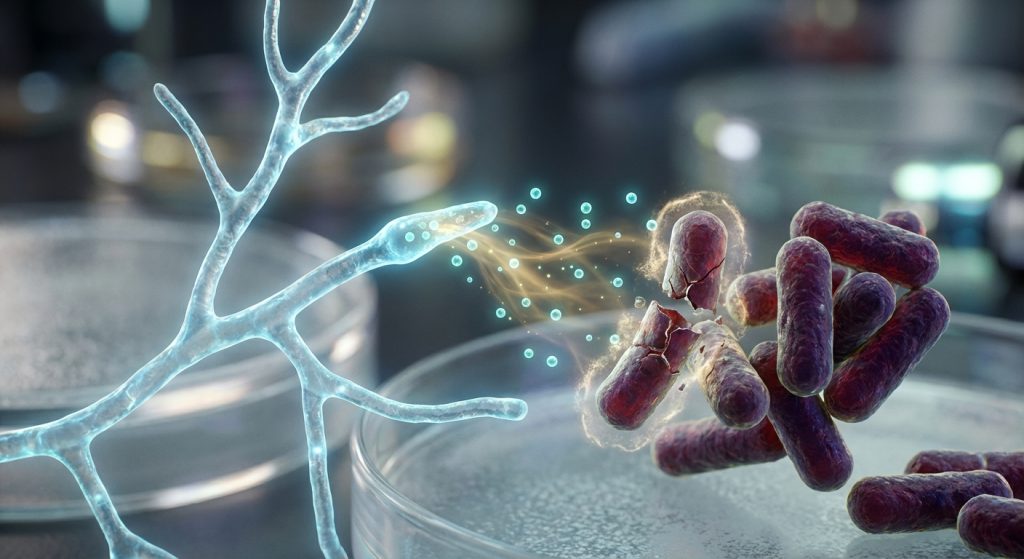
Phage therapy is gaining attention. Bacteriophages are viruses that infect bacteria. However, some research is exploring their potential against fungi. This is a less developed area. Nevertheless, it shows the breadth of innovation. Phages are highly specific. They target only certain microbes. This specificity is a major advantage. It means they are less likely to harm beneficial microbes. This is a key difference from broad-spectrum antifungals.
The idea is to find or engineer phages. These phages would target pathogenic fungi. This could offer a completely new treatment modality. It is an exciting prospect for the future. Further research is needed to confirm its efficacy.
Genetic and Molecular Approaches
Understanding fungal genetics is key. Scientists are identifying genes responsible for resistance. This knowledge helps in developing new drugs. It also helps in understanding how resistance spreads. For example, horizontal gene transfer is a concern. It allows resistance genes to move between fungi. Understanding these mechanisms is crucial.
CRISPR technology offers new tools. It allows precise gene editing. Researchers can use CRISPR to study fungal genes. They can also use it to develop new antifungal strategies. For instance, they could target resistance genes directly. This technology is transforming many fields. It holds great promise for mycology.
Repurposing Existing Drugs
Sometimes, existing drugs can be repurposed. Drugs approved for other conditions might work against fungi. This is often faster and cheaper than developing new drugs. Researchers are screening vast libraries of compounds. They are looking for antifungal activity. This approach has yielded success in the past. It is a practical strategy.
For example, some anti-cancer drugs show antifungal properties. Others used for parasitic infections are also being investigated. This ‘drug repurposing’ is a smart way to find new treatments. It builds on existing safety data. Therefore, it can speed up the path to clinical use.
The Power of the Microbiome
Our bodies host trillions of microbes. These include fungi and bacteria. This complex ecosystem is the microbiome. It plays a vital role in health. It also influences our susceptibility to infections. For example, a healthy gut microbiome can prevent pathogenic fungi from overgrowing.
Researchers are exploring ways to modulate the microbiome. This could involve probiotics or prebiotics. The goal is to restore balance. A balanced microbiome can be a strong defense. It can help prevent fungal infections. It can also support the body’s response to them. This is a holistic approach to health.
Challenges and Future Directions
Despite these advances, challenges remain. Fungi are diverse. They evolve quickly. Developing drugs that are effective against a wide range of fungi is hard. Also, getting new drugs to patients takes time and money. Regulatory hurdles can be significant. Therefore, continuous innovation is essential.
The future likely involves combination therapies. Using multiple drugs or strategies together can be more effective. It can also slow the development of resistance. Personalized medicine is another key area. Tailoring treatments to the specific fungus and patient will improve outcomes. This requires better diagnostics. Rapid diagnostic tools are therefore crucial.
The Importance of Surveillance
Global surveillance of fungal infections is vital. It helps track resistance patterns. It also identifies emerging threats. Organizations worldwide are working on this. They collect data on antifungal use and resistance. This information guides public health strategies. It helps prioritize research efforts. Without good surveillance, we are fighting blind.
Understanding where resistant fungi are spreading is key. This includes both healthcare settings and the environment. For example, environmental sources can act as reservoirs for resistance genes. This highlights the interconnectedness of health. The concept of environmental AMR reservoirs is increasingly recognized.
Conclusion
Fungal resistance is a serious and growing threat. However, scientific breakthroughs offer hope. New drug targets, genetic tools, and microbiome manipulation are promising. Furthermore, drug repurposing and novel therapies like phage therapy are being explored. Continuous research and global surveillance are critical. These efforts will help us stay ahead of evolving fungal pathogens. Ultimately, this will protect global health.
Frequently Asked Questions
What is antifungal resistance?
Antifungal resistance occurs when fungi develop the ability to survive exposure to antifungal medications. This makes infections harder to treat and can lead to more severe outcomes.
Why is fungal resistance increasing?
Increased use of antifungal drugs in medicine and agriculture contributes to fungal resistance. This widespread exposure creates pressure for fungi to evolve resistance mechanisms.
What are some new approaches to fighting fungal infections?
New approaches include targeting fungal cell walls, boosting the patient’s immune system, neutralizing virulence factors, using CRISPR technology, and exploring phage therapy.
Can existing drugs be used to treat fungal infections?
Yes, researchers are actively investigating the repurposing of existing drugs approved for other conditions. This can be a faster and more cost-effective way to find new antifungal treatments.
How does the microbiome relate to fungal resistance?
A healthy microbiome, particularly in the gut, can help prevent pathogenic fungi from overgrowing and causing infection. Modulating the microbiome through probiotics is a potential strategy.
What is the role of surveillance in combating fungal resistance?
Global surveillance is crucial for tracking resistance patterns, identifying emerging threats, and guiding public health strategies. It helps understand the spread of resistant fungi in healthcare and the environment.