
Soil Microbes: Earth’s Untapped Pharmaceutical Frontier
Published on January 20, 2026 by Admin
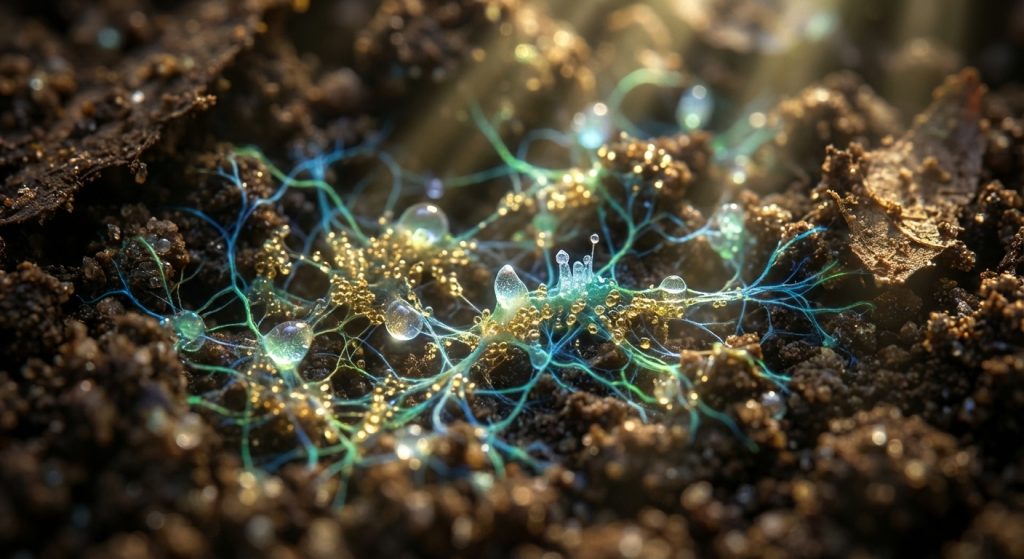
The ground beneath our feet teems with life. This hidden universe is not just soil; it’s a vibrant ecosystem. Millions of microorganisms, like bacteria and fungi, call it home. These tiny organisms play crucial roles in plant growth and nutrient cycling. However, their potential extends far beyond agriculture. Indeed, soil microbes are emerging as a new, vital source for novel drugs. This discovery opens exciting avenues for natural product chemistry and medicine.
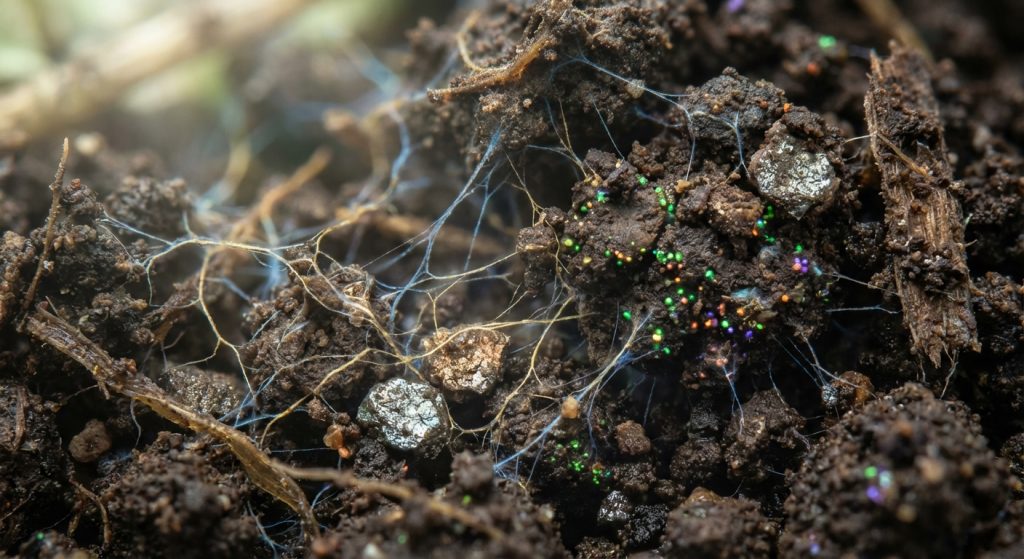
Unlocking Nature’s Pharmacy
For centuries, humans have turned to nature for healing. Plants have yielded many life-saving medicines. Yet, we have only scratched the surface of Earth’s biodiversity. Soil, in particular, harbors an immense microbial diversity. Many of these microbes produce unique compounds. These compounds often serve as defense mechanisms against other organisms. Consequently, they possess potent biological activities. Scientists are now actively exploring these microbes.
The quest is for new antibiotics, antifungals, and even anticancer agents. Traditional drug discovery methods can be slow and costly. Soil microbes offer a more sustainable and diverse source of novel molecules. For instance, some soil bacteria produce compounds that inhibit the growth of other bacteria. This is precisely what we need to combat rising antibiotic resistance. Therefore, understanding and harnessing these microbial producers is paramount.
The Rise of Soil-Derived Pharmaceuticals
The history of drug discovery from soil is already rich. Many of our most important antibiotics originated from soil microorganisms. Penicillin, for example, was famously discovered from a mold found on a petri dish. Streptomycin, another crucial antibiotic, comes from Streptomyces bacteria found in soil. These discoveries revolutionized medicine. They saved countless lives and transformed the treatment of infectious diseases.
However, the low-hanging fruit has largely been picked. Modern research faces challenges in finding truly novel compounds. This is due to widespread resistance and the need for new drug classes. Soil microbes continue to be a promising reservoir for these new agents. They have evolved unique metabolic pathways over millions of years. This evolution has resulted in the production of complex and diverse secondary metabolites. These metabolites are often the key to their therapeutic potential.
Challenges and Opportunities in Soil Microbiology
Despite the immense potential, exploring soil microbes presents challenges. A vast majority of soil microorganisms cannot be cultured using standard laboratory techniques. This is known as the “great plate count anomaly.” Therefore, new methods are needed to access the full spectrum of microbial diversity. Metagenomics, for instance, allows scientists to study microbial communities directly from their environment. This bypasses the need for cultivation.
Furthermore, identifying and isolating the active compounds can be difficult. The sheer volume of metabolites produced by microbes is staggering. Advanced analytical techniques, such as mass spectrometry and nuclear magnetic resonance, are essential. These tools help in identifying and characterizing new molecules. Additionally, understanding the ecological role of these microbes can provide clues to their functions. This ecological context can guide the search for specific therapeutic properties.
Key Microbial Sources and Their Contributions
Several groups of soil microorganisms are particularly noteworthy for drug discovery:
- Actinobacteria: This phylum, especially the genus Streptomyces, is a goldmine for antibiotics. They produce a wide array of bioactive compounds, including macrolides, tetracyclines, and aminoglycosides.
- Fungi: Soil fungi are not only decomposers but also producers of valuable molecules. They have yielded immunosuppressants like cyclosporine and statins for cholesterol management.
- Bacteria (other than Actinobacteria): Various other soil bacteria also produce unique compounds. These can include anticancer agents and novel antimicrobial peptides.
- Archaea: While less explored for pharmaceuticals, these ancient organisms also possess unique biochemistry that could yield new compounds.
The discovery of new drugs from these sources is ongoing. Researchers are employing innovative screening methods and synthetic biology approaches. These methods aim to enhance the production of known compounds or engineer microbes to produce novel ones. For example, synthetic biology can be used to create entirely new molecules by combining genes from different organisms. This allows for greater control and innovation in drug design.
The Role of Natural Products in Modern Medicine
Natural products remain critical in the pharmaceutical industry. They serve as lead compounds for drug development. Many blockbuster drugs today have their origins in natural sources. For example, Taxol, an important chemotherapy drug, was isolated from the Pacific yew tree. While not from soil microbes, it highlights the enduring value of natural compounds.
Soil microbes contribute significantly to this natural product pipeline. Their compounds often possess complex structures and novel mechanisms of action. This complexity can be challenging to replicate synthetically. Therefore, direct isolation and modification of microbial metabolites are often preferred. The development of resistance to existing drugs necessitates a continuous search for new therapeutic agents. Soil microbes provide a sustainable and diverse source for this critical need. You can learn more about the broader impact of microbes on health by exploring how your gut bacteria shape your immunity and mood.
Combating Antibiotic Resistance with Soil Microbes
Antibiotic resistance is a major global health threat. The overuse and misuse of antibiotics have led to the emergence of “superbugs.” These are bacteria that are resistant to most, if not all, available antibiotics. Consequently, common infections are becoming increasingly difficult, and sometimes impossible, to treat. This crisis demands urgent solutions, and soil microbes are a key part of the answer.
Many soil bacteria produce compounds that kill or inhibit other bacteria. These compounds are natural weapons in the microbial world. By studying these mechanisms, scientists can develop new antibiotics. These new agents may have different modes of action, circumventing existing resistance mechanisms. For instance, novel peptides produced by soil organisms show promise. These novel peptides combat resistance through unique pathways.
Moreover, soil microbes can influence the broader microbial environment. They can compete with pathogenic bacteria, thereby reducing the overall risk of infection. Understanding these ecological interactions can lead to novel therapeutic strategies. For example, harnessing beneficial soil microbes could be a way to prevent infections. This is a proactive approach to health that complements traditional treatment methods.
Advancements in Discovery and Development
Technological advancements are accelerating the discovery of new drugs from soil microbes. High-throughput screening allows researchers to test thousands of microbial extracts rapidly. This speeds up the identification of promising candidates. Genomics and bioinformatics play a crucial role. They help in identifying genes responsible for producing bioactive compounds. This information can then be used for genetic engineering.
Furthermore, artificial intelligence (AI) is revolutionizing drug discovery. AI algorithms can analyze vast datasets of chemical structures and biological activities. This helps in predicting which microbial compounds are most likely to be effective drugs. For instance, AI’s accelerated path to new medicines can significantly shorten development timelines.
The field of synthetic biology also offers new possibilities. Scientists can now engineer microbes to produce specific compounds more efficiently. They can also create entirely new molecules with tailored properties. This allows for the development of drugs with improved efficacy and reduced side effects. The combination of traditional microbiology with cutting-edge biotechnology is unlocking the full potential of soil-derived pharmaceuticals.
The Future Outlook
The exploration of soil microbes for new drugs is a dynamic and evolving field. As antibiotic resistance continues to rise, the need for novel therapeutics becomes ever more critical. Soil offers an almost inexhaustible source of biological diversity. Continued research and investment in this area are essential. Furthermore, preserving soil ecosystems is vital. Healthy soils support diverse microbial communities. These communities are our natural pharmacy.
The integration of genomics, bioinformatics, AI, and synthetic biology will undoubtedly lead to groundbreaking discoveries. We can expect to see new classes of antibiotics, anticancer agents, and other therapeutics emerge from this hidden world. The potential benefits for human health are immense. Therefore, embracing this natural frontier is a promising path forward in medicine. This work also aligns with broader efforts in One Health, recognizing the interconnectedness of human, animal, and environmental well-being.
Frequently Asked Questions
What are soil microbes and why are they important for drug discovery?
Soil microbes are microscopic organisms like bacteria and fungi that live in soil. They are crucial for drug discovery because they produce a vast array of unique chemical compounds. Many of these compounds have potent biological activities, such as antimicrobial or anticancer properties, making them valuable sources for new medicines.
Can soil microbes really help combat antibiotic resistance?
Yes, soil microbes are a significant source of new antibiotics. They naturally produce compounds that inhibit or kill other bacteria. Scientists are studying these compounds to develop new drugs that can overcome existing antibiotic resistance mechanisms. This is a critical area of research for fighting superbugs.
Why is it difficult to study all soil microbes?
A major challenge is that most soil microbes cannot be grown in a laboratory using traditional methods. This phenomenon is known as the “great plate count anomaly.” Researchers are using advanced techniques like metagenomics to study these unculturable microbes directly in their environment.
What are some examples of drugs derived from soil microbes?
Historically, many important antibiotics like penicillin and streptomycin were derived from soil microorganisms. Other examples include immunosuppressants like cyclosporine and cholesterol-lowering statins, which also have soil microbial origins.
How is technology changing the way we discover drugs from soil?
New technologies like high-throughput screening, genomics, bioinformatics, and artificial intelligence are dramatically speeding up the discovery process. These tools allow scientists to analyze microbial communities and compounds more efficiently, identify promising drug candidates, and even engineer microbes to produce novel therapeutics.
“`html
