
Superbug Genomic Mapping: A New Era in Fighting Resistance
Published on January 20, 2026 by Admin
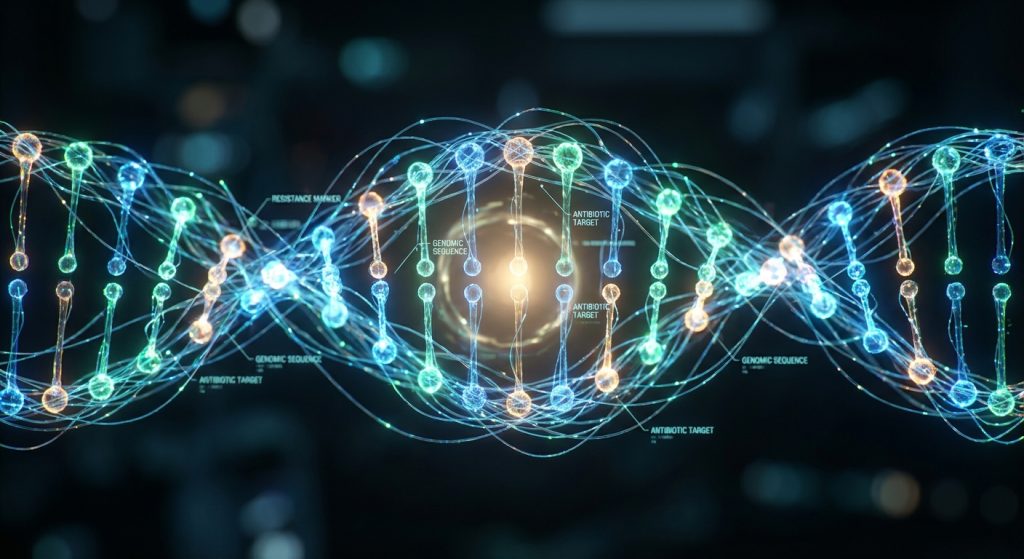
Superbugs pose a significant global health threat. Their rapid evolution makes them hard to treat. Understanding their genetic makeup is crucial. Genomic mapping offers a powerful solution. It helps us track and combat these dangerous microbes.
This article explores superbug genomic mapping. We will delve into its importance. We will also discuss its applications. Furthermore, we will look at the future of this field.
The Rise of Superbugs
Antibiotic resistance is a growing problem. Many bacteria have become resistant to drugs. These are known as superbugs. They spread easily. Infections caused by them are difficult to cure. This leads to longer hospital stays. It also increases healthcare costs. In severe cases, superbug infections can be fatal.
Several factors contribute to this crisis. Firstly, the overuse and misuse of antibiotics are key. This includes in human medicine and agriculture. Secondly, poor infection control measures allow superbugs to spread. Thirdly, the lack of new antibiotic development is a major concern.
As a result, the World Health Organization (WHO) considers antimicrobial resistance (AMR) one of the top 10 global public health threats. Therefore, new strategies are urgently needed.
What is Superbug Genomic Mapping?
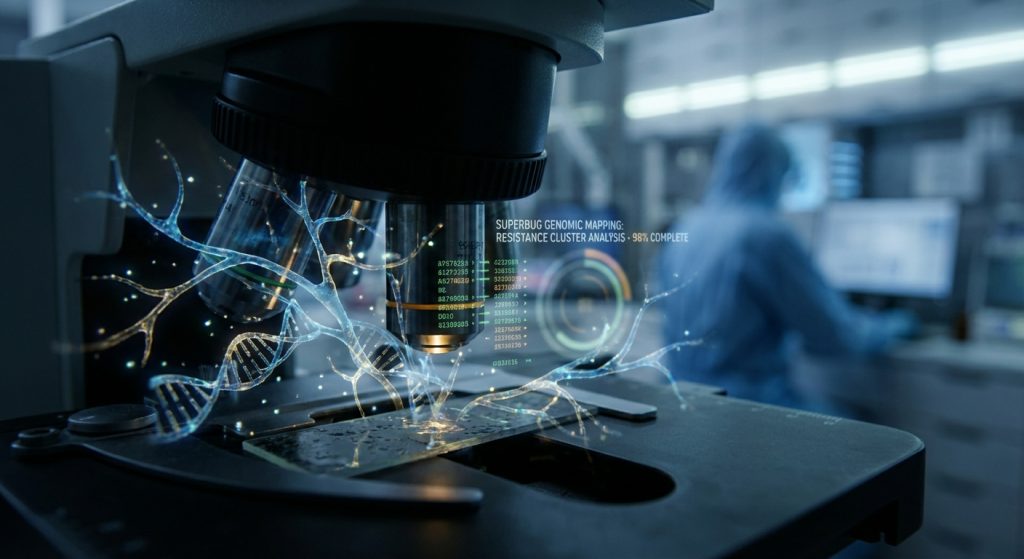
Superbug genomic mapping involves sequencing the entire DNA of a superbug. DNA contains the genetic instructions for all living organisms. By mapping a superbug’s genome, scientists can understand its unique characteristics. This includes how it became resistant to antibiotics.
It’s like creating a detailed blueprint. This blueprint reveals the bug’s strengths and weaknesses. For example, it can show specific genes responsible for drug resistance. It can also reveal how these genes are acquired and spread.
This process uses advanced sequencing technologies. These technologies can read vast amounts of genetic data quickly. Therefore, it allows for rapid analysis. This is vital for timely intervention.
Why is Genomic Mapping Crucial?
Genomic mapping provides invaluable insights. It helps us understand the evolution of resistance. This knowledge is essential for developing new treatments. Moreover, it aids in preventing the spread of infections.
Here are some key reasons why it’s so important:
- Identifying Resistance Mechanisms: It pinpoints the exact genes conferring resistance. This allows for targeted drug development.
- Tracking Outbreaks: By comparing genomes of different superbug strains, scientists can trace their origins. This helps in tracking the spread of infections during outbreaks.
- Developing New Drugs: Understanding resistance pathways can guide the design of novel antibiotics. These new drugs can be engineered to overcome existing resistance.
- Improving Diagnostics: Genomic data can inform the development of faster diagnostic tests. These tests can identify superbugs quickly.
- Public Health Surveillance: Mapping genomes contributes to global surveillance efforts. This helps monitor the emergence and spread of new resistant strains.
Applications in Fighting Superbugs
The applications of superbug genomic mapping are diverse. They span research, clinical practice, and public health policy.
1. Precision Medicine and Treatment
Traditionally, doctors prescribe broad-spectrum antibiotics. This can contribute to resistance. Genomic mapping allows for a more personalized approach. Doctors can identify the specific superbug causing an infection. Then, they can choose the most effective antibiotic. This is a cornerstone of precision medicine in infectious disease. It ensures that patients receive the right treatment faster. Consequently, it improves outcomes and reduces the risk of further resistance developing.
2. Epidemiological Surveillance and Outbreak Response
When an outbreak occurs, genomic sequencing is a powerful tool. It can quickly identify the source and spread of the infection. For instance, comparing the genomes of bacteria from different patients can reveal transmission pathways. This data guides public health officials in implementing targeted control measures. Therefore, it helps contain outbreaks more effectively. This is crucial for preventing widespread epidemics. It also informs strategies for global AMR surveillance.
3. Drug Discovery and Development
The constant evolution of superbugs necessitates a continuous pipeline of new drugs. Genomic mapping accelerates this process. It reveals novel drug targets. It also helps in understanding why existing drugs fail. This knowledge guides researchers in designing next-generation antibiotics. For example, understanding the structural changes in bacterial proteins that confer resistance can lead to the development of drugs that bind to these altered structures. Furthermore, insights from genomic data can inform the development of novel peptides or synthetic biology approaches.
4. Environmental Monitoring
Superbugs are not confined to hospitals. They can exist in the environment. This includes wastewater, soil, and wildlife. Genomic mapping of environmental samples can reveal reservoirs of resistance genes. This is particularly important for understanding the spread of AMR. For example, studying environmental AMR reservoirs can highlight how resistance moves between different ecosystems. Wastewater surveillance is another critical tool in this regard. It can detect the presence of resistant pathogens before they cause widespread human infections. For more on this, see our piece on wastewater surveillance systems.
Technological Advancements in Genomic Mapping
The field of genomics has seen rapid advancements. Next-generation sequencing (NGS) technologies have revolutionized the process. These technologies offer:
- High Throughput: They can sequence millions of DNA fragments simultaneously. This drastically reduces sequencing time.
- Accuracy: Modern sequencers provide highly accurate reads of the genetic code.
- Cost-Effectiveness: The cost of sequencing has decreased significantly over the years. This makes it accessible for more research and surveillance programs.
Furthermore, advancements in bioinformatics are crucial. Powerful computational tools are needed to analyze the massive datasets generated by sequencing. These tools enable rapid identification of resistance genes, phylogenetic analysis, and outbreak tracing.
Challenges and Future Directions
Despite its promise, superbug genomic mapping faces challenges. Firstly, the cost of sequencing and analysis can still be a barrier. Especially for low-resource settings. Secondly, interpreting complex genomic data requires specialized expertise. Thirdly, timely data sharing and collaboration are essential. However, they can be hindered by logistical and political issues.
Looking ahead, the future is bright. We can expect:
- Real-time Surveillance: Integrating genomic sequencing into routine public health surveillance will enable near real-time monitoring of superbug evolution.
- AI and Machine Learning: Artificial intelligence will play a larger role in analyzing genomic data. AI can predict resistance patterns and identify potential drug candidates more efficiently. This aligns with the progress in AI-driven drug discovery.
- Portable Sequencing Technologies: The development of portable sequencers will allow for on-site genomic analysis. This is particularly useful in remote areas or during outbreaks.
- Multi-omics Approaches: Combining genomic data with other ‘omics’ data (like transcriptomics or proteomics) will provide a more comprehensive understanding of superbug behavior.
- Whole Genome Sequencing for Diagnostics: Eventually, whole genome sequencing might become a routine diagnostic tool, offering unparalleled precision in identifying pathogens and their resistance profiles.
Moreover, the concept of One Health is paramount. This approach recognizes the interconnectedness of human, animal, and environmental health. Genomic surveillance must be integrated across these domains to effectively combat AMR.
Conclusion
Superbug genomic mapping is a transformative technology. It empowers us with unprecedented insights into the genetic landscape of antimicrobial resistance. By understanding the enemy’s blueprint, we can develop more effective strategies. These strategies include precision medicine, rapid outbreak response, and novel drug discovery. As technology advances and collaboration strengthens, genomic mapping will undoubtedly be a cornerstone in the global fight against superbugs. Ultimately, it offers hope for a future where antibiotic resistance is no longer an insurmountable threat.
Frequently Asked Questions
What are superbugs?
Superbugs are bacteria, viruses, fungi, or parasites that have developed resistance to antimicrobial medicines. This makes infections harder to treat.
How does genomic mapping help fight superbugs?
Genomic mapping reveals the genetic makeup of superbugs. This helps identify resistance mechanisms, track outbreaks, and guide the development of new treatments.
Is genomic mapping expensive?
While the cost has decreased significantly, sequencing and analysis can still be costly. However, the long-term benefits in preventing widespread infections outweigh the initial investment.
Can genomic mapping predict future resistance?
Yes, by analyzing trends in genomic data and understanding evolutionary pressures, scientists can make predictions about potential future resistance patterns.
What is the role of AI in superbug genomic mapping?
AI helps analyze vast amounts of genomic data. It can identify patterns, predict resistance, and accelerate the discovery of new drugs and diagnostic tools.
