
Bacterial Persistence: A Deep Dive into Survival Strategies
Published on January 20, 2026 by Admin
Bacterial persistence is a fascinating phenomenon. It describes a state where bacteria survive antibiotic treatment. This survival is not due to genetic changes. Instead, it involves physiological adaptations. These adaptations make them temporarily tolerant. Therefore, they can withstand high drug concentrations. Understanding these mechanisms is crucial for fighting infections. It is especially important for those caused by drug-resistant bacteria.
Persistence is different from resistance. Resistance involves genetic mutations. These mutations alter the bacteria’s DNA. They make the bacteria inherently resistant to antibiotics. Persistence, however, is a phenotypic trait. It is a temporary survival strategy. It allows a small subpopulation to survive. This occurs even when the majority of bacteria are killed. As a result, it can lead to treatment failure. It can also contribute to the development of resistance.
The Dormant State: A Key to Bacterial Survival
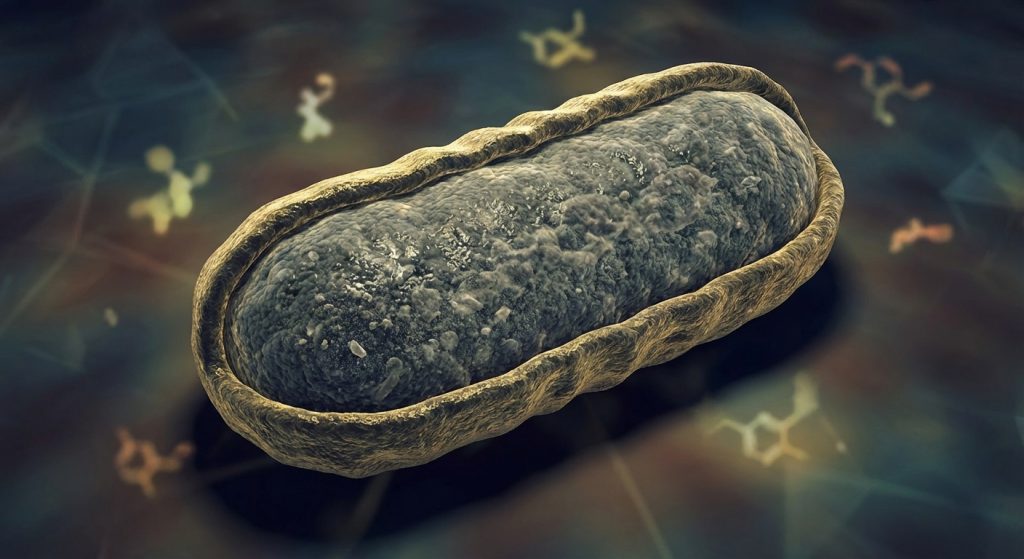
One primary mechanism involves dormancy. Certain bacteria can enter a dormant or slow-growing state. In this state, their metabolic activity decreases significantly. Antibiotics often target actively growing cells. They do this by interfering with essential processes. These processes include cell wall synthesis or protein production. Dormant bacteria are less susceptible to these drugs. Their reduced metabolism means they are not actively engaged in these processes. Therefore, antibiotics have little effect on them.
This dormant state is often transient. When conditions improve, or the antibiotic is removed, these bacteria can resume growth. They then proliferate, causing a relapse of infection. This is a major challenge in treating persistent infections. It requires longer or different treatment regimens. Researchers are actively investigating ways to target these dormant cells. For example, some studies explore compounds that can reawaken dormant bacteria. This would make them vulnerable to antibiotics again.
Toxin-Antitoxin Systems: The Guardian of Dormancy
Toxin-antitoxin (TA) systems play a vital role. They are found in many bacteria. These systems consist of two components: a toxin and an antitoxin. The antitoxin usually neutralizes the toxin. However, under stress conditions, the antitoxin can be degraded. This releases the active toxin. The toxin can then inhibit essential cellular processes. It can trigger a dormancy or programmed cell death pathway. In the context of persistence, the toxin can halt cell growth. This helps the bacteria enter the dormant state.
These TA systems are crucial for maintaining the persistent population. They act as a safeguard. They ensure that only a select few bacteria enter dormancy. This allows the rest of the population to continue growing. As a result, the population can recover quickly. The precise regulation of TA systems is complex. It involves various environmental cues. Further research into these systems could reveal new therapeutic targets. For instance, inhibiting the toxin’s activity might prevent dormancy. Alternatively, promoting antitoxin degradation could lead to widespread cell death.
Biofilm Formation: A Protective Matrix
Biofilms are another significant factor. Biofilms are communities of bacteria. They are encased in a self-produced matrix. This matrix is made of extracellular polymeric substances (EPS). EPS is composed of polysaccharides, proteins, and DNA. Biofilms provide a physical barrier. This barrier can prevent antibiotics from reaching the bacteria. Furthermore, the microenvironment within a biofilm can be different. It can have varying pH, oxygen levels, and nutrient availability. These conditions can contribute to reduced antibiotic efficacy.
Bacteria within biofilms often exhibit slower growth rates. This, as discussed earlier, reduces their susceptibility to many antibiotics. Moreover, biofilms can form on various surfaces. This includes medical implants, tissues, and even industrial equipment. Tackling biofilm-related infections is notoriously difficult. Strategies often involve physically disrupting the biofilm. They can also involve using agents that degrade the EPS matrix. Understanding the signals that trigger biofilm formation is also key. This knowledge could lead to new ways to prevent or treat biofilm infections.
The formation of biofilms is a complex process. It involves multiple stages. These stages include initial attachment, microcolony formation, maturation, and dispersal. Different signaling molecules regulate these stages. For example, quorum sensing plays a critical role. This system allows bacteria to communicate. They coordinate their behavior based on population density. Therefore, targeting quorum sensing pathways could be a viable strategy. It might prevent biofilm formation or dispersal.
Metabolic Heterogeneity: A Diverse Population
Bacterial populations are not uniform. They exhibit metabolic heterogeneity. This means different cells within a population have different metabolic states. Some cells might be highly active. Others might be in a slow-growing or dormant state. This diversity is a powerful survival tool. Antibiotics are often optimized for specific metabolic states. They are most effective against rapidly dividing cells. However, the slower-growing or dormant cells are less affected. They can persist and repopulate the population.
This metabolic variation is influenced by many factors. These include nutrient availability and oxygen levels. It also depends on the presence of signaling molecules. Understanding the metabolic profiles of different bacterial subpopulations is essential. It can help in designing more effective treatment strategies. For instance, combination therapies might be needed. These therapies could target multiple metabolic states simultaneously. This would ensure better eradication of the persistent bacteria.
Efflux Pumps: Pumping Out the Threat
Efflux pumps are another important mechanism. These are membrane-spanning proteins. They actively transport substances out of the bacterial cell. Many antibiotics are substrates for these pumps. When activated, efflux pumps can pump antibiotics out of the cell. This reduces the intracellular concentration of the drug. As a result, the antibiotic’s effectiveness is diminished. This can lead to a higher minimum inhibitory concentration (MIC). It can also contribute to tolerance.
The expression of efflux pumps can be regulated. It can be induced by the presence of antibiotics or other stressors. Some bacteria have multiple efflux pumps. These pumps can have broad substrate specificities. This makes them effective against a range of antimicrobial agents. Inhibiting efflux pumps is a promising therapeutic strategy. Researchers are developing efflux pump inhibitors (EPIs). These EPIs can be used in combination with antibiotics. They aim to restore the antibiotic’s efficacy. This approach could be particularly useful against multi-drug resistant bacteria.
Persister Cells: The Elusive Survivors
Persister cells are the key players in bacterial persistence. They are a subpopulation of cells. These cells exhibit high tolerance to antibiotics. They are metabolically active but slow-growing. They are not genetically resistant. Their tolerance is reversible. When the antibiotic pressure is removed, they can resume normal growth. The exact molecular mechanisms that define persister cells are still under investigation. However, several factors are known to contribute.
These factors include the activation of stress response pathways. They also involve changes in cell envelope permeability. Furthermore, alterations in toxin-antitoxin systems are implicated. Identifying markers for persister cells is a goal. This would allow for targeted therapies. Such therapies could specifically eliminate these elusive survivors. The study of persister cells is a rapidly evolving field. It holds great promise for developing new strategies to combat antibiotic tolerance.
Recent research has shed light on the intricate molecular machinery behind persister cell formation. For example, studies have identified specific genes and regulatory networks. These networks are upregulated in persister cells. They contribute to their unique physiological state. One notable finding is the role of intracellular signaling molecules. Molecules like cyclic di-GMP (c-di-GMP) are often involved. They can modulate various cellular processes. These processes include biofilm formation and motility. Therefore, understanding these signaling pathways can offer new avenues for intervention. This is particularly relevant for tackling chronic and recurrent infections.
Strategies to Combat Bacterial Persistence
Combating bacterial persistence requires a multifaceted approach. We need to target the mechanisms that allow bacteria to survive. Several promising strategies are being explored:
- Targeting Dormancy: Developing drugs that can reawaken dormant bacteria. This makes them susceptible to standard antibiotics.
- Inhibiting Efflux Pumps: Using efflux pump inhibitors (EPIs) to prevent bacteria from expelling antibiotics.
- Disrupting Biofilms: Finding ways to break down the protective biofilm matrix. This can involve enzymes or physical methods.
- Modulating Toxin-Antitoxin Systems: Interfering with TA systems to prevent dormancy or trigger cell death.
- Combination Therapies: Using multiple drugs with different mechanisms of action. This can target both growing and dormant bacteria.
- Phage Therapy: Utilizing bacteriophages. These viruses specifically infect and kill bacteria. They can be effective against persister cells and biofilms.
- Novel Antibiotics: Developing new classes of antibiotics. These might have different targets or mechanisms of action. This could bypass existing resistance and persistence mechanisms.
The fight against bacterial persistence is ongoing. It requires continuous research and innovation. The development of new diagnostic tools is also crucial. These tools can help identify persistent infections early. This allows for more timely and effective treatment. For instance, rapid diagnostics can help distinguish between true resistance and transient persistence. This information guides clinical decisions. Ultimately, a comprehensive understanding of bacterial persistence is key. It will enable us to overcome one of the major challenges in modern medicine.
Frequently Asked Questions (FAQ)
What is the difference between bacterial persistence and resistance?
Bacterial resistance is a genetic trait. It arises from mutations. Bacteria with resistance can survive antibiotics due to these genetic changes. Persistence, on the other hand, is a physiological state. It is temporary. It allows a small subpopulation of bacteria to survive antibiotics without genetic changes. They do this by entering a dormant or slow-growing state.
Why are persister cells so difficult to treat?
Persister cells are hard to treat because standard antibiotics target actively growing bacteria. Persister cells are dormant or grow very slowly. This makes them largely unaffected by these drugs. Furthermore, they can reside within biofilms. This offers them additional protection. Therefore, they can survive treatment and cause infection relapse.
Can bacterial persistence lead to antibiotic resistance?
Yes, bacterial persistence can indirectly contribute to antibiotic resistance. When a population of bacteria is exposed to antibiotics, the susceptible bacteria are killed. The persister cells survive. When the antibiotic pressure is removed, these persisters can repopulate. During this repopulation, mutations that confer actual resistance might arise and be selected for. Thus, persistence can create an environment where resistance can emerge and spread more easily.
What are some promising new strategies to combat bacterial persistence?
Promising strategies include targeting the dormant state of persister cells, inhibiting efflux pumps that expel antibiotics, disrupting protective biofilms, and developing novel antibiotics with different mechanisms of action. Combination therapies, which use multiple drugs simultaneously, and bacteriophage therapy are also showing great potential in overcoming persistence.
