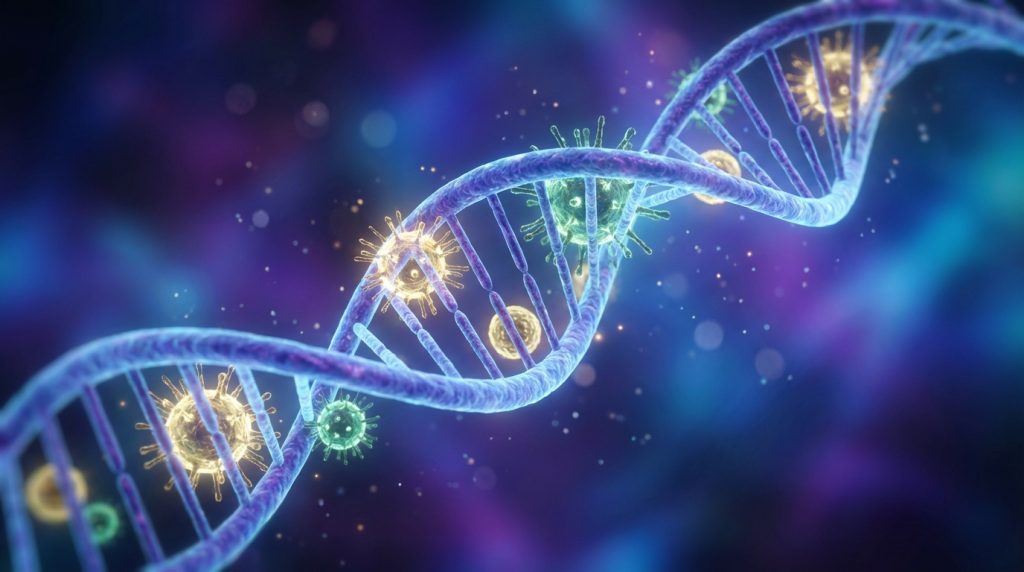
Infectious diseases pose a constant threat. However, a powerful new approach is emerging: precision medicine. This innovative strategy tailors treatments to individual patients. It leverages advanced technology and data. Precision medicine offers hope for more effective infection control. It also aims to restore trust in healthcare systems. This is especially important after recent global health challenges.
The landscape of infectious disease management is shifting. We are moving away from one-size-fits-all solutions. Instead, we are embracing highly personalized strategies. This article explores the exciting potential of precision medicine in combating infections.
Understanding Precision Medicine
Precision medicine, also known as personalized medicine, is a revolutionary concept. It focuses on individual variability. This variability includes genetics, environment, and lifestyle. The goal is to predict, prevent, and treat disease more effectively. For infectious diseases, this means understanding how a specific pathogen interacts with a unique host.
Traditional approaches often use broad-spectrum treatments. These can be less effective for some individuals. They may also contribute to resistance. Precision medicine aims to overcome these limitations. It seeks to identify the most effective treatment for each person. This is achieved by looking at detailed patient data.
Precision health is a broader term. It encompasses precision medicine. Precision health also includes preventive measures. These can occur outside traditional healthcare settings. For instance, public health initiatives can be tailored. This ensures interventions reach the right people. It also helps them be more impactful.
The Role of Data and Technology
The rise of precision medicine is fueled by several key advancements. Biomedical technologies have rapidly improved. We now have access to vast amounts of clinical and ‘omic’ data. This includes genomic, proteomic, and metabolomic information. Furthermore, artificial intelligence (AI) plays a crucial role. AI can analyze complex datasets. It helps identify patterns and predict outcomes.
For example, genome sequencing is a powerful tool. It can identify the specific germ causing an infection. This allows healthcare providers to choose the best treatment. This genomic information is key to finding, tracking, and controlling outbreaks.
AI algorithms can process this data. They can then suggest personalized treatment plans. This is a significant departure from older methods. It promises faster diagnoses and better patient outcomes.
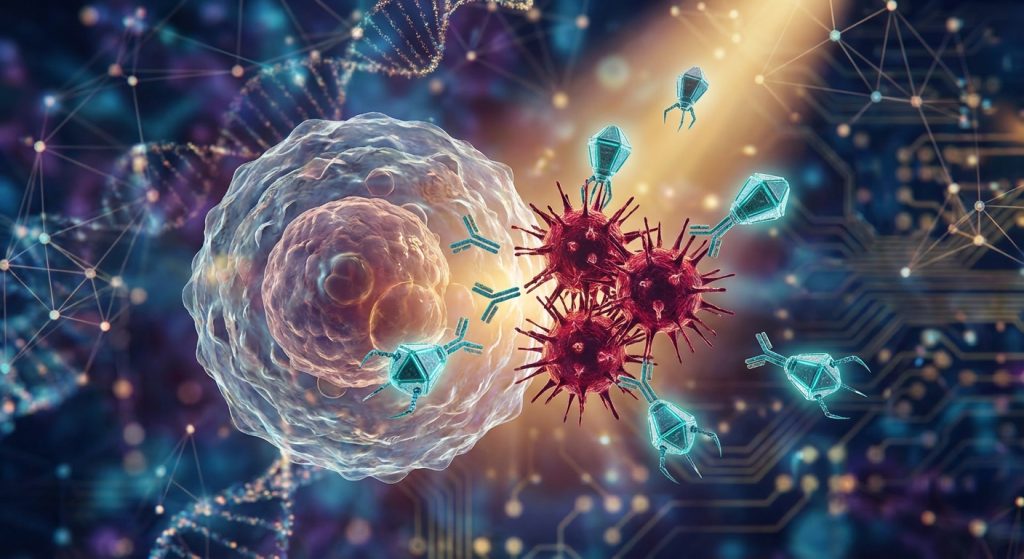
Precision Medicine in Action: Infectious Diseases
Applying precision medicine to infectious diseases offers numerous benefits. It can lead to more targeted therapies. This reduces the risk of side effects. It also minimizes the development of antimicrobial resistance. The ability to precisely manage infections is critical. It builds trust in public health, healthcare organizations, and pharmaceutical companies. This trust is essential for effective disease control.
One area where precision medicine shows great promise is in vaccine development. Tailoring vaccines to specific populations or even individuals could enhance efficacy. There is a growing recognition of the need for precision medicine in infectious diseases and vaccines.
Furthermore, precision medicine can help manage rare diseases. While not strictly infectious, rare diseases often present unique challenges. Precision medicine offers a path to identify therapies for these patients. Conversely, insights gained from studying rare diseases can inform treatments for more common conditions.
Targeting Specific Pathogens
A key aspect of precision medicine for infections is precise pathogen identification. Instead of broad-spectrum antibiotics, doctors can use diagnostics to pinpoint the exact bacteria or virus. This allows for the selection of drugs that specifically target the identified microbe. As a result, this minimizes harm to the patient’s beneficial bacteria.
For instance, rapid diagnostic tests can identify the causative agent of an infection quickly. This information guides treatment decisions. It ensures the patient receives the most effective medication. This is a significant improvement over empirical treatment. It also helps combat the growing threat of antibiotic resistance.
Personalizing Treatment Regimens
Beyond identifying the pathogen, precision medicine considers the host. Factors like a patient’s genetic makeup, immune status, and existing conditions influence how they respond to infection and treatment. Precision medicine aims to account for these individual differences.
For example, a patient’s genetic profile might predict how they metabolize certain drugs. This information can help doctors choose the optimal dosage. It ensures the drug is both safe and effective for that individual. This personalized approach is crucial for complex infections.
Vaccine Personalization
Vaccines are a cornerstone of public health. Precision medicine can enhance vaccine development. By understanding the genetic variations in pathogens and human immune responses, scientists can design more effective vaccines. This could lead to vaccines that provide stronger, more durable immunity.
It might also allow for personalized vaccine schedules. This ensures individuals receive the most beneficial timing and type of vaccine. This is particularly relevant for emerging infectious diseases. It also applies to diseases with significant strain variability.
Challenges and Opportunities
Despite its immense potential, precision medicine for infections faces challenges. Data integration is a significant hurdle. Combining diverse data sources, such as electronic health records, genomic data, and environmental factors, is complex.
Ethical considerations are also paramount. Ensuring data privacy and equitable access to these advanced treatments is crucial. The cost of implementing precision medicine technologies can also be a barrier.
However, the opportunities are vast. Advances in AI and machine learning are accelerating progress. The development of new diagnostic tools is also promising. For instance, technologies like rapid diagnostics are transforming healthcare at the point of care.
Moreover, the push for precision medicine aligns with broader public health goals. It supports initiatives like One Health, recognizing the interconnectedness of human, animal, and environmental health. Addressing infectious diseases requires a holistic approach.
The Future of Infection Control
The future of infection control is undeniably precise. As technology advances and data becomes more accessible, precision medicine will play an increasingly vital role. It promises to transform how we prevent, diagnose, and treat infectious diseases.
This shift towards personalized care is not just about better health outcomes. It is also about rebuilding trust. By demonstrating a commitment to individualized care, healthcare systems can foster greater confidence among the public. This collaborative approach is essential for tackling future health crises.
Frequently Asked Questions
What is precision medicine for infection?
Precision medicine for infection involves tailoring diagnostic and treatment strategies to the individual characteristics of a patient and the specific pathogen they are infected with. This approach uses genetic information, biomarkers, and other individual data to optimize care.
How does precision medicine help combat antibiotic resistance?
By precisely identifying the infectious agent, precision medicine allows for the selection of targeted antibiotics. This avoids the unnecessary use of broad-spectrum drugs. Consequently, this reduces the selective pressure that drives the development of antibiotic resistance.
What technologies are essential for precision medicine in infectious diseases?
Key technologies include advanced genomic sequencing, bioinformatics for data analysis, artificial intelligence (AI) for pattern recognition, and rapid diagnostic tools. These enable the detailed understanding of both the pathogen and the host.
Is precision medicine available for all infections?
Currently, precision medicine approaches are more developed for certain infections and patient populations. However, the field is rapidly expanding. Ongoing research and technological advancements are making these personalized strategies more accessible.
How can precision medicine improve public trust in healthcare?
By offering more effective and personalized treatments, precision medicine can lead to better patient outcomes. This success, combined with transparent communication about data usage and benefits, can help restore and strengthen public trust in healthcare institutions and scientific endeavors.