
Beyond Antibiotics: New Paths for Infection Control
Published on January 20, 2026 by Admin
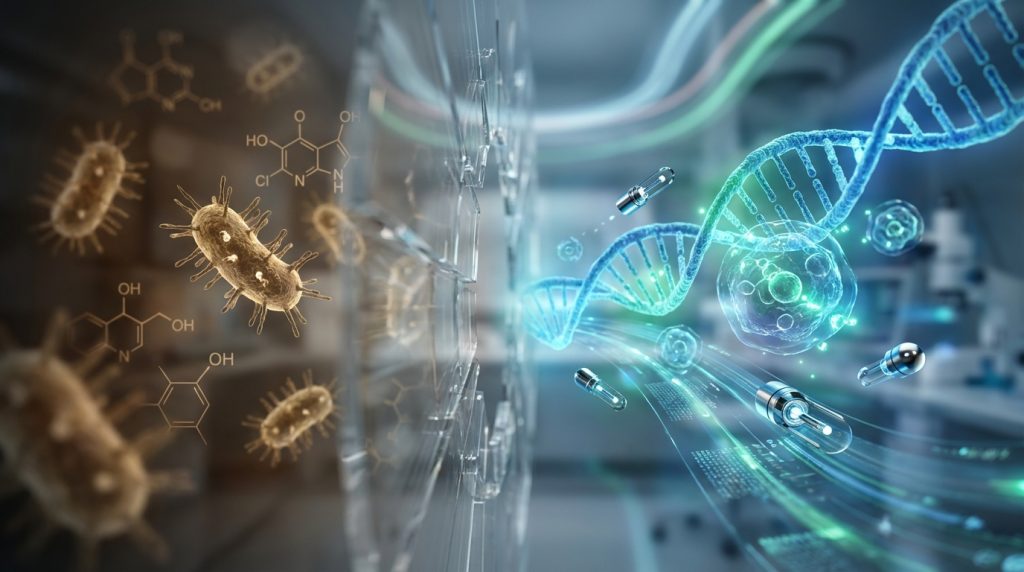
Antibiotics have been a cornerstone of modern medicine. However, growing antibiotic resistance is a serious threat. Therefore, exploring non-antibiotic treatment paths is crucial. This article delves into innovative and alternative strategies for combating infections. We will explore diverse approaches beyond traditional antibiotics.
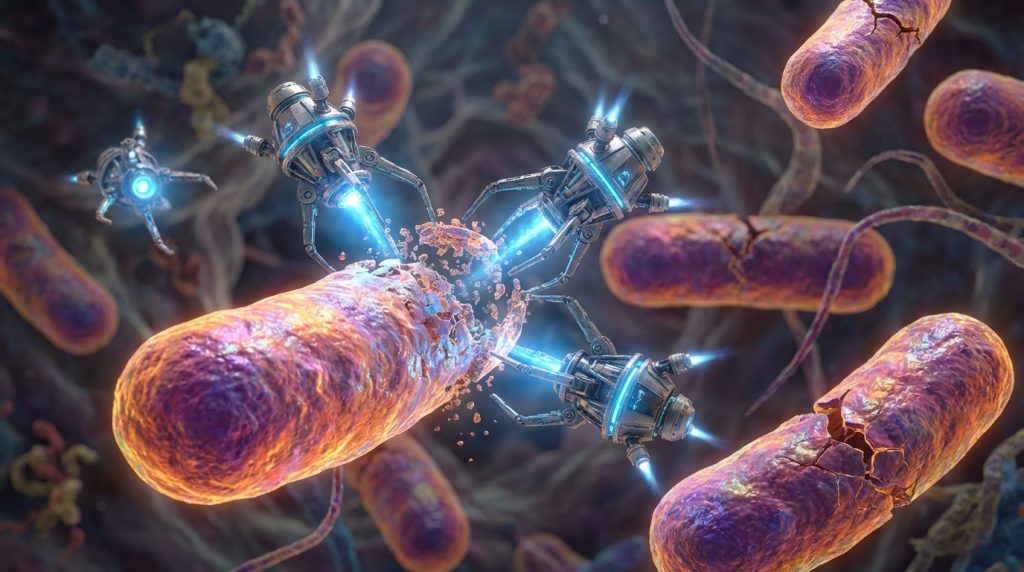
The Challenge of Antibiotic Resistance
Antibiotic resistance occurs when bacteria evolve. They become resistant to the drugs designed to kill them. This makes infections harder to treat. As a result, common infections can become life-threatening again. The overuse and misuse of antibiotics have accelerated this problem. This is why new solutions are urgently needed. Exploring alternatives is not just beneficial; it’s essential for public health.
The World Health Organization (WHO) highlights this crisis. Antibiotic resistance is a major global health threat. It impacts human health, animal health, and the environment. This interconnectedness is often referred to as the “One Health” approach. You can learn more about the One Health approach and its importance.
Innovative Non-Antibiotic Strategies
Fortunately, researchers are developing exciting alternatives. These methods target bacteria in novel ways. Many of these approaches have fewer side effects. They also sidestep the resistance mechanisms that plague antibiotics.
Phage Therapy: Viruses That Fight Bacteria
Phage therapy uses bacteriophages. These are viruses that specifically infect and kill bacteria. They are natural predators of bacteria. Therefore, they offer a highly targeted approach. Phages are harmless to human cells. They also don’t disrupt beneficial gut bacteria. This makes them a promising alternative. Many see phage therapy as a new dawn for biotech investors.
The process involves identifying the specific phage. Then, it is cultured and administered to the patient. This therapy is particularly effective against antibiotic-resistant infections. It represents a significant shift in how we approach bacterial infections.
Antimicrobial Peptides (AMPs): Nature’s Defense
Antimicrobial peptides are naturally occurring molecules. They are part of the innate immune system of many organisms. AMPs can kill bacteria in several ways. For instance, they can disrupt bacterial cell membranes. Others interfere with essential bacterial processes. Furthermore, they are less prone to resistance development. This is because they have multiple modes of action.
Researchers are exploring both naturally derived and synthetic AMPs. These novel peptides combat resistance effectively. They offer a potent weapon against a range of pathogens.
CRISPR Technology: Precision Gene Editing
CRISPR-Cas9 is a revolutionary gene-editing tool. It can be programmed to target specific DNA sequences. In the context of infections, CRISPR can be used to target bacterial genes. For example, it can disable genes essential for bacterial survival or virulence. Moreover, it can be used to precisely target and destroy pathogenic bacteria. This offers a highly controlled method of eliminating infection.
The precision of CRISPR technology is remarkable. It opens up new avenues for treating infections. This technology is also being explored for CRISPR tools targeting superbugs.
Immunomodulation: Harnessing the Body’s Defenses
Instead of directly killing bacteria, immunomodulation aims to boost the host’s immune system. This approach helps the body fight off infection more effectively. Therapies might involve stimulating specific immune cells or pathways. They can also involve reducing the harmful inflammatory responses that infections can trigger.
This strategy leverages the body’s natural defenses. It can be used alone or in combination with other treatments. It’s a way to empower the patient’s own immune system.
Biofilm Disruption: Tackling Bacterial Hideouts
Many infections involve biofilms. These are communities of bacteria encased in a protective matrix. Biofilms are notoriously difficult to penetrate with antibiotics. Therefore, treatments that can break down or disrupt biofilms are crucial. These might include enzymes or specific chemical agents. Targeting biofilms can make bacteria more vulnerable to other treatments.
Effectively tackling biofilms is vital for infectious disease specialists. It’s a key area of research for persistent infections.
Metal Ion Therapies: Natural Antimicrobials
Certain metal ions possess antimicrobial properties. For example, silver and copper have been used for centuries. Modern research is exploring their controlled delivery. This can enhance their efficacy and minimize potential toxicity. These ions can disrupt bacterial cell membranes and vital enzymes.
This approach taps into the metal ion antibacterial power, a materials science breakthrough.
Probiotics and Prebiotics: The Gut Microbiome Connection
The gut microbiome plays a significant role in immunity. Probiotics introduce beneficial bacteria. Prebiotics nourish these good bacteria. A healthy gut microbiome can help prevent pathogenic bacteria from taking hold. It can also modulate the immune response.
Maintaining a balanced gut flora is important. You can learn about gut microbiome diversity and how to unlock your health potential. Furthermore, the gut-brain axis is also crucial, as explored in the gut-brain axis.
Nanotechnology for Targeted Delivery
Nanoparticles can be engineered to deliver antimicrobial agents directly to infection sites. This targeted approach increases drug concentration where it’s needed most. It also reduces systemic exposure. Therefore, it can minimize side effects. Nanotech delivery for antibiotics offers new hope.
This technology is also being applied in precision medicine. You can explore precision medicine for infection as a related advancement.
The Role of Diagnostics and Surveillance
Accurate and rapid diagnostics are vital. They help identify the specific pathogen causing an infection. This allows for targeted treatment. It also prevents the unnecessary use of broad-spectrum antibiotics. Rapid diagnostics transform healthcare at the point of care.
Global surveillance systems are also crucial. They track the emergence and spread of resistant strains. This data informs public health strategies. Global AMR surveillance is a vital fight.
Preventative Measures: The First Line of Defense
Beyond treatment, prevention is paramount. This includes robust infection control measures. Good hygiene practices are essential. This is especially true in healthcare settings. Mastering hospital infection control is key.
Vaccination is another powerful preventative tool. Vaccines prime the immune system. They protect against specific pathogens. This reduces the need for antibiotic treatment. Advances in vaccine development are a powerful shield against AMR.
Conclusion: A Multi-faceted Approach
The challenge of antibiotic resistance demands innovation. Non-antibiotic treatment paths offer a promising future. Phage therapy, AMPs, CRISPR, and immune modulation are leading the way. Furthermore, advancements in diagnostics and prevention are equally important. Ultimately, a multi-faceted strategy is needed. This combines new therapies with strong public health measures. By embracing these diverse approaches, we can better combat infections. This ensures a healthier future for all.
Frequently Asked Questions
What is the biggest advantage of non-antibiotic treatments?
The biggest advantage is often their reduced likelihood of causing resistance. Many also have fewer side effects and can target infections more specifically than broad-spectrum antibiotics.
Is phage therapy safe for humans?
Yes, bacteriophages are highly specific to bacteria. They do not infect human cells. Therefore, they are generally considered safe for therapeutic use.
How do antimicrobial peptides work?
Antimicrobial peptides can work in various ways. For example, they can disrupt bacterial cell membranes, inhibit protein synthesis, or interfere with DNA replication within bacteria.
Can CRISPR technology be used to treat existing infections?
Yes, CRISPR technology can be programmed to target and destroy bacteria causing an infection. It can also disable genes that make bacteria resistant or virulent.
What role do probiotics play in fighting infections?
Probiotics help maintain a healthy balance of bacteria in your gut. This strengthens your immune system and can prevent harmful bacteria from colonizing and causing infections.
“`
