
Superbugs pose a significant threat. They are resistant to many antibiotics. Understanding their genetic makeup is crucial. Metagenomics offers a powerful solution. It allows us to study microbial communities directly. This article explores metagenomics of superbugs. We will uncover their secrets. We will also discuss implications for public health.
What Are Superbugs and Why They Matter
Superbugs are a major global health concern. They are microorganisms. These include bacteria, viruses, and fungi. They have developed resistance. This resistance is to drugs designed to kill them. Antibiotics are our primary weapon. However, superbugs can evade these drugs. This makes infections very difficult to treat. Furthermore, these infections can spread rapidly. They pose a serious risk to public health. The World Health Organization (WHO) highlights this danger. Addressing this threat is a global priority. It requires innovative approaches.
The Rise of Antibiotic Resistance
Antibiotic resistance is not new. However, it is accelerating. This acceleration is due to several factors. Overuse and misuse of antibiotics are key drivers. This happens in human medicine. It also occurs in agriculture. When bacteria are exposed to antibiotics, most die. Some may survive. These survivors can develop resistance. They then pass on their resistance genes. This leads to a new generation of resistant bacteria. Consequently, infections become harder to cure. This is a dangerous cycle.
Consequences of Untreatable Infections
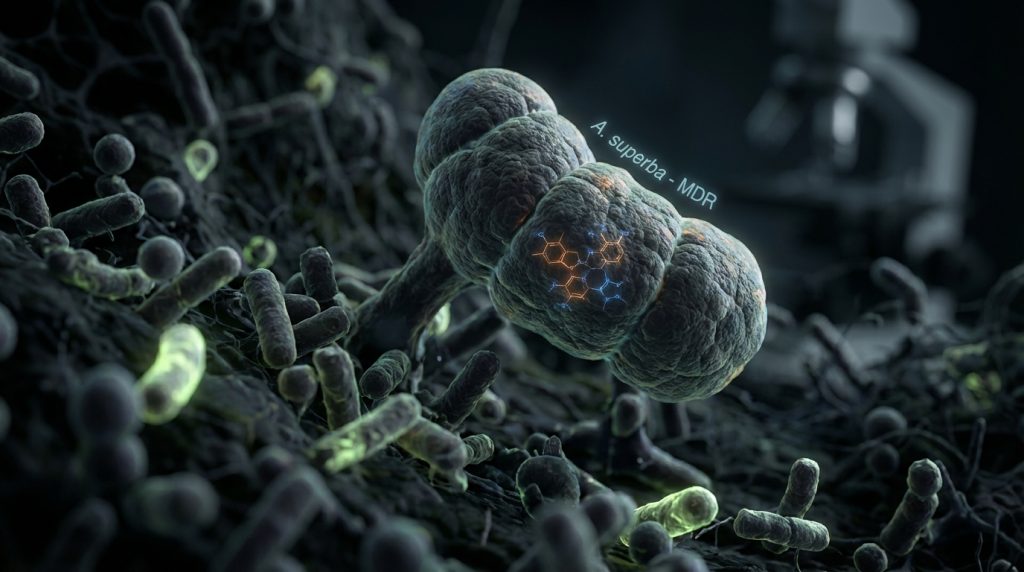
Untreatable infections have severe consequences. They lead to longer hospital stays. This increases healthcare costs significantly. Patients suffer more. They may experience prolonged illness. In some cases, infections can be fatal. Common medical procedures become riskier. Surgeries, chemotherapy, and organ transplants rely on effective antibiotics. Without them, these life-saving interventions are jeopardized. Therefore, combating superbugs is essential for modern medicine.
Metagenomics: A Powerful Tool
Metagenomics is a revolutionary field. It allows scientists to study genetic material. This material comes directly from environmental samples. It bypasses the need for culturing individual microbes. This is a significant advantage. Many microbes cannot be grown in a lab. Metagenomics analyzes the DNA of entire communities. This includes all the organisms present. It provides a comprehensive view. We can identify unknown species. We can also understand their functions. This is especially useful for complex environments.
How Metagenomics Works
The process begins with sample collection. Samples can come from various sources. These include soil, water, or human samples. DNA is extracted from these samples. This DNA contains genetic material from many organisms. Next, this DNA is sequenced. High-throughput sequencing technologies are used. This generates millions of DNA fragments. These fragments are then assembled. Sophisticated bioinformatics tools are employed. They piece together the fragments. This reconstructs genomes or parts of genomes. Finally, analysis reveals the microbial composition. It also shows their potential functions.
Applications in Understanding Superbugs
Metagenomics offers unique insights into superbugs. It allows us to study resistance genes. These genes can be found in the environment. They may not be linked to a specific pathogen. This is called the resistome. Understanding the resistome helps us track resistance spread. It can reveal novel resistance mechanisms. Furthermore, metagenomics can identify new antibiotic compounds. These might be produced by uncultured microbes. This is a promising avenue for drug discovery. It also helps in understanding pathogen evolution. We can see how resistance develops over time. This is crucial for developing new strategies.
Metagenomic Studies of Superbug Environments
Research is actively exploring superbug habitats. These environments are often reservoirs for resistance genes. Hospitals are a prime example. They are hotspots for antibiotic use. This creates selective pressure. Wastewater treatment plants are another critical area. They collect microbes from diverse sources. This includes human and animal waste. As a result, they can concentrate resistance genes. Environmental sites like farms also play a role. Livestock often receive antibiotics. This contributes to the environmental resistome. Studying these sites is vital.
Hospital-Associated Infections
Hospitals are critical environments. They harbor a high concentration of resistant bacteria. Metagenomic studies can map the spread of these pathogens. They can identify specific resistance genes. This helps in infection control measures. For instance, understanding the genomic basis of resistance is key. This is explored in Superbug Genomic Mapping: A New Era in Fighting Resistance. Hospitals can implement targeted interventions. This reduces the risk of outbreaks. Rapid diagnostics are also crucial here. They help identify infections quickly. You can learn more about Rapid Diagnostics: Transforming Healthcare at the Point of Care.
Environmental Reservoirs of Resistance
The environment acts as a reservoir. It stores and disseminates resistance genes. Soil and water are major contributors. Agricultural runoff can carry resistant bacteria. These can enter water systems. Wastewater surveillance is increasingly important. It can detect emerging resistance trends early. This is a powerful public health tool. The concept of One Health: Integrating Approaches for Global Well-being is relevant here. It recognizes the interconnectedness of human, animal, and environmental health. Environmental AMR reservoirs are a significant concern.
The Role of Agriculture
Agriculture contributes significantly to antibiotic resistance. Antibiotics are often used in livestock. This is for growth promotion and disease prevention. As a result, resistant bacteria can emerge. They can spread through animal products. They can also enter the environment. Reducing antibiotic use in livestock is essential. This aligns with efforts for Livestock Antibiotic Reduction: A Healthier Future. Metagenomics helps monitor resistance development in these settings.
Challenges and Future Directions
Despite its power, metagenomics faces challenges. Analyzing vast amounts of data is complex. Bioinformatics tools are constantly evolving. Standardizing methods is also important. The sheer diversity of microbial life is immense. Fully characterizing the resistome is a monumental task. However, the future is bright. Advances in sequencing technology are rapid. They are becoming faster and cheaper. This will enable more comprehensive studies.
Developing New Antibiotics
Metagenomics is a key tool for discovery. It helps find novel antimicrobial compounds. Many microbes produce natural antibiotics. These are often uncultured. Metagenomic data can reveal their biosynthetic pathways. This information can be used to engineer new drugs. This is a promising approach. It could lead to new treatments for superbug infections. The search for new paths for infection control is ongoing. You can explore Beyond Antibiotics: New Paths for Infection Control.
Improving Infection Control Strategies
Understanding superbug genomics informs better strategies. It helps identify high-risk areas. It also reveals transmission routes. This knowledge aids in developing precise interventions. For example, we can target specific resistance genes. We can also develop better surveillance systems. Global AMR Surveillance: A Vital Fight is crucial. Metagenomics contributes to this fight. It provides detailed genetic insights. This supports a proactive approach to infection control.
The Promise of Precision Medicine
Metagenomics aligns with precision medicine. It allows for targeted treatments. Instead of broad-spectrum antibiotics, we can use specific agents. This reduces collateral damage to the microbiome. It also increases treatment efficacy. Understanding the patient’s microbiome is key. This is explored in Precision Medicine for Infection: A New Era. Tailoring treatments based on genetic information is the future.
Frequently Asked Questions (FAQ)
What is the difference between genomics and metagenomics?
Genomics studies the DNA of a single organism. Metagenomics studies the DNA of an entire community of organisms. It looks at all the genetic material present in a sample.
Can metagenomics help find new antibiotics?
Yes, metagenomics can help. It allows us to explore the genetic potential of uncultured microbes. These microbes may produce novel antibiotic compounds.
How does metagenomics help with hospital infections?
Metagenomics can identify the specific resistant bacteria present in hospitals. It can also reveal the resistance genes they carry. This information helps improve infection control measures and track outbreaks.
Is antibiotic resistance only a problem in humans?
No, antibiotic resistance is a problem across humans, animals, and the environment. This is known as antimicrobial resistance (AMR). The “One Health” approach highlights this interconnectedness.
Conclusion
Metagenomics is a transformative technology. It provides unprecedented insights into superbugs. By analyzing the genetic material of microbial communities, we can better understand resistance. We can also discover new ways to combat it. From hospitals to the environment, metagenomics is shedding light. It is revealing the complex landscape of antibiotic resistance. This knowledge is vital. It will guide future strategies. These strategies are essential for protecting global health. The fight against superbugs is ongoing. Metagenomics is a powerful ally in this critical battle. Furthermore, advancements in technologies like synthetic biology offer new hope. You can read more about Synthetic Biology: A New Arsenal Against Superbugs.