

The pharmaceutical industry faces a critical juncture. It must balance innovation with environmental responsibility. Sustainable pharma production is no longer an option; it’s a necessity. This approach minimizes environmental impact. It also ensures long-term viability and public trust. ESG compliance officers play a vital role in this transition. They guide companies toward greener practices.
The Environmental Footprint of Pharmaceuticals
Historically, pharmaceutical manufacturing has a significant environmental footprint. This includes substantial energy consumption. It also involves considerable water usage. Furthermore, the industry generates hazardous waste. Chemical solvents are often used. These can pollute water and soil. The production process can also release greenhouse gases. This contributes to climate change. Many active pharmaceutical ingredients (APIs) are potent. Their release into the environment is a concern. Therefore, adopting sustainable practices is crucial.
Energy Efficiency and Renewable Sources
Reducing energy consumption is a primary goal. Companies are implementing energy-efficient technologies. This includes optimizing HVAC systems. It also involves using LED lighting. Process optimization further reduces energy needs. Moreover, switching to renewable energy sources is key. Solar and wind power are becoming more common. This reduces reliance on fossil fuels. As a result, carbon emissions decrease significantly. This aligns with global climate goals.
Water Management and Conservation
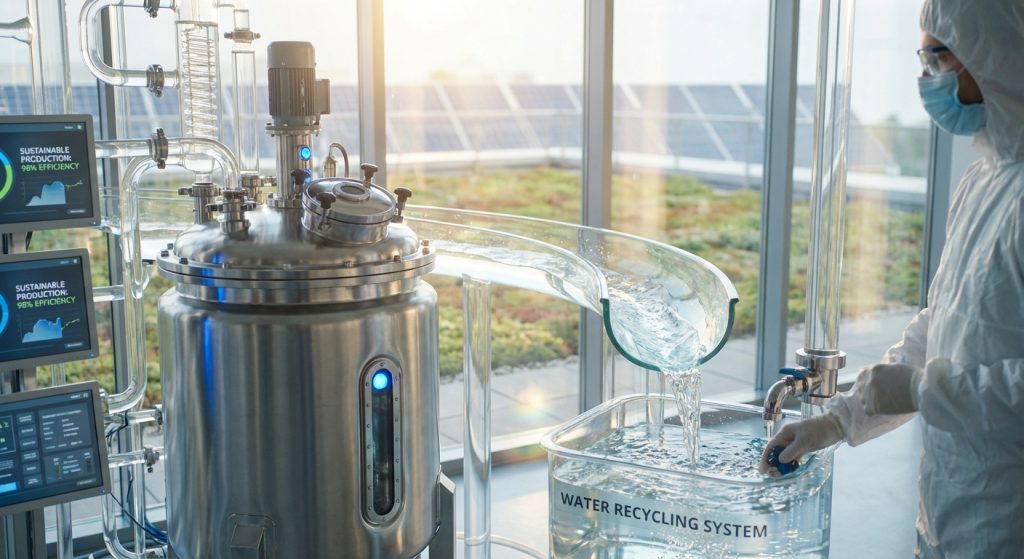
Water is a vital resource in pharma production. It is used for cleaning, cooling, and as a solvent. Therefore, water conservation is paramount. Companies are investing in advanced water treatment systems. These systems allow for water recycling and reuse. Closed-loop systems minimize water discharge. Furthermore, optimizing cleaning processes reduces water demand. Rainwater harvesting is another sustainable practice. These measures help conserve precious water resources.
Waste Reduction and Management
Minimizing waste generation is essential. This involves optimizing chemical reactions. It also means reducing packaging materials. Companies are exploring biodegradable packaging options. Solvent recovery and recycling are also important. This reduces the need for new solvents. Furthermore, waste-to-energy initiatives are gaining traction. Properly managing hazardous waste is critical. This prevents environmental contamination. Effective waste management ensures compliance and safety.
Sustainable Chemistry Principles in Pharma
Green chemistry principles offer a roadmap. They guide the industry toward more sustainable processes. These principles focus on designing safer chemicals and processes. They aim to reduce or eliminate the use of hazardous substances. For instance, atom economy is a key principle. It maximizes the incorporation of starting materials into the final product. This minimizes waste. Catalysis is another important aspect. It uses less energy and generates fewer byproducts. Solvent selection is also critical. Choosing greener solvents reduces environmental risk. The goal is to design processes that are inherently safer and more efficient.
Solvent Selection and Reduction
Traditional organic solvents are often toxic. They also pose environmental risks. Therefore, selecting greener alternatives is vital. Supercritical fluids, like CO2, are one option. Water can also be a green solvent in some cases. Ionic liquids are another area of research. Reducing the overall volume of solvents used is also important. Process intensification techniques can help. For example, continuous flow chemistry uses less solvent. This is a significant step towards greener production.
Catalysis for Efficiency
Catalysts speed up chemical reactions. They often allow reactions to occur at lower temperatures. This saves energy. They also tend to produce fewer unwanted byproducts. This reduces waste. Biocatalysis, using enzymes, is particularly promising. Enzymes are highly specific and operate under mild conditions. This makes them very sustainable. Developing novel catalysts is an ongoing area of research. It offers immense potential for greener pharma manufacturing.
Designing Safer Products and Processes
Green chemistry emphasizes designing molecules that are less toxic. It also focuses on designing processes that are inherently safer. This means avoiding hazardous intermediates. It also involves minimizing the potential for accidents. Life cycle assessment (LCA) is a valuable tool. It helps evaluate the environmental impact of a product from cradle to grave. This holistic approach informs decisions about process design and material selection.
Supply Chain Sustainability in Pharmaceuticals
Sustainability extends beyond the factory gates. The entire pharmaceutical supply chain must be considered. This includes sourcing raw materials. It also involves transportation and distribution. Ensuring ethical sourcing is crucial. Companies must verify that their suppliers adhere to environmental and social standards. Transparency throughout the supply chain is key. This builds trust and accountability. Collaboration with suppliers is essential. Together, they can identify areas for improvement.
Ethical Sourcing of Raw Materials
Many pharmaceutical ingredients are derived from natural sources. This includes plant-based materials. Therefore, sustainable harvesting practices are important. This prevents deforestation and biodiversity loss. For example, sourcing from medicinal plants requires careful management. Companies are increasingly looking for suppliers who use regenerative agriculture. This approach improves soil health and sequesters carbon. It ensures a sustainable supply for the future.
Sustainable Logistics and Transportation
The transport of raw materials and finished products has an environmental impact. Companies are optimizing logistics. This includes route planning to reduce mileage. They are also exploring lower-emission transport options. This might include electric vehicles or biofuels. Efficient packaging also plays a role. It reduces the volume and weight of shipments. Thus, it lowers fuel consumption. Looking at supply chain logistics is vital for overall sustainability.
Regulatory Landscape and ESG Compliance
ESG (Environmental, Social, and Governance) principles are increasingly important. Regulatory bodies are setting stricter standards. Compliance with these standards is mandatory. ESG compliance officers guide companies through this complex landscape. They ensure adherence to environmental regulations. They also promote social responsibility. Good governance practices are essential for long-term success. This includes robust reporting and transparency.
Environmental Regulations and Standards
Governments worldwide are implementing environmental regulations. These cover emissions, waste disposal, and water usage. Companies must comply with these laws. International standards, like ISO 14001, provide frameworks for environmental management. Adhering to these standards demonstrates a commitment to sustainability. This also helps avoid penalties and legal issues. The focus is on continuous improvement in environmental performance.
Social Responsibility and Ethical Practices
Beyond environmental concerns, social aspects are vital. This includes ensuring fair labor practices. It also involves community engagement. Patient safety is paramount. Ethical marketing and access to medicines are also key considerations. Companies are expected to contribute positively to society. This builds a strong reputation. It also attracts talent and investment. Promoting One Health principles, which link human, animal, and environmental well-being, is also a growing focus.
Governance and Transparency
Strong governance is the foundation of sustainability. This involves clear leadership commitment. It requires robust internal controls. Transparent reporting on ESG performance is essential. This builds trust with stakeholders. Investors are increasingly using ESG data to make decisions. Therefore, accurate and comprehensive reporting is crucial. It demonstrates accountability and long-term vision.
Innovation and Future Trends in Sustainable Pharma
The pharmaceutical industry is constantly innovating. This includes developing new sustainable technologies. Digitalization plays a significant role. Artificial intelligence (AI) can optimize processes. It can also predict environmental impacts. Advanced manufacturing techniques are emerging. These include continuous manufacturing. It offers greater efficiency and reduced waste. Biomanufacturing, using microorganisms, is also gaining prominence. These innovations will shape the future of pharma production.
Digitalization and AI in Greener Manufacturing
AI can analyze vast datasets. It can identify inefficiencies in production processes. This leads to optimized energy and resource use. Predictive maintenance can prevent equipment failures. This reduces downtime and waste. Digital twins can simulate entire manufacturing plants. This allows for virtual testing of new processes. These tools accelerate the adoption of greener practices. Discovering new drugs can also be accelerated by AI-driven drug discovery.
Biomanufacturing and Biotechnology
Biomanufacturing uses living organisms to produce medicines. This can be more sustainable than traditional chemical synthesis. For instance, microbial fermentation can produce complex molecules. It often requires less energy and generates less waste. Synthetic biology is enabling the design of novel biological systems. These can produce a wide range of therapeutic compounds. This is a significant advancement for sustainable production.
Circular Economy Principles
Applying circular economy principles means designing out waste. It aims to keep products and materials in use. In pharma, this could involve reusing catalysts. It could also mean recovering valuable materials from waste streams. Designing products for easier recycling is also important. This shift from a linear “take-make-dispose” model is critical. It fosters a more sustainable and resource-efficient industry.
Conclusion: A Commitment to a Healthier Planet
Sustainable pharma production is a complex but essential endeavor. It requires a multi-faceted approach. This includes embracing green chemistry. It also involves optimizing energy and water use. Effective waste management is crucial. Furthermore, a sustainable supply chain and robust ESG compliance are vital. Innovation in areas like digitalization and biomanufacturing will drive progress. Ultimately, the commitment to sustainable practices is not just about environmental responsibility. It is about ensuring a healthier future for both people and the planet. ESG compliance officers are instrumental in leading this transformation.
Frequently Asked Questions
What are the main environmental challenges in pharmaceutical production?
The main challenges include high energy and water consumption, generation of hazardous waste, use of toxic solvents, and greenhouse gas emissions.
How can pharmaceutical companies reduce their energy consumption?
They can implement energy-efficient technologies, optimize processes, and switch to renewable energy sources like solar and wind power.
What is green chemistry and why is it important for pharma?
Green chemistry focuses on designing safer chemicals and processes to reduce or eliminate hazardous substances. It’s important for minimizing environmental impact and improving safety.
What role do ESG compliance officers play in sustainable pharma?
They guide companies in adhering to environmental regulations, promoting social responsibility, and ensuring good governance practices.
What are some future trends in sustainable pharmaceutical production?
Future trends include digitalization and AI for process optimization, biomanufacturing, and the adoption of circular economy principles.
