
Bacteriocin Potential: A New Frontier in Food Safety
Published on January 20, 2026 by Admin
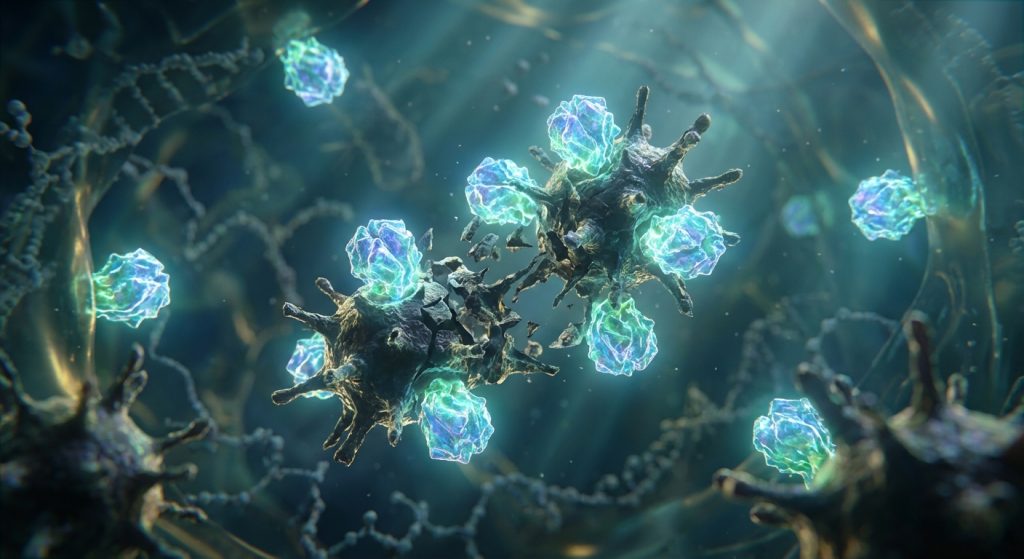
Bacteriocins are fascinating. These are natural antimicrobial peptides. They are produced by bacteria. Therefore, they offer a promising avenue for food preservation. This is especially true in our ongoing fight against harmful microbes. Understanding their potential is crucial for Food Science Technicians. It can lead to innovative solutions. It also helps in developing safer food products.
What Exactly Are Bacteriocins?
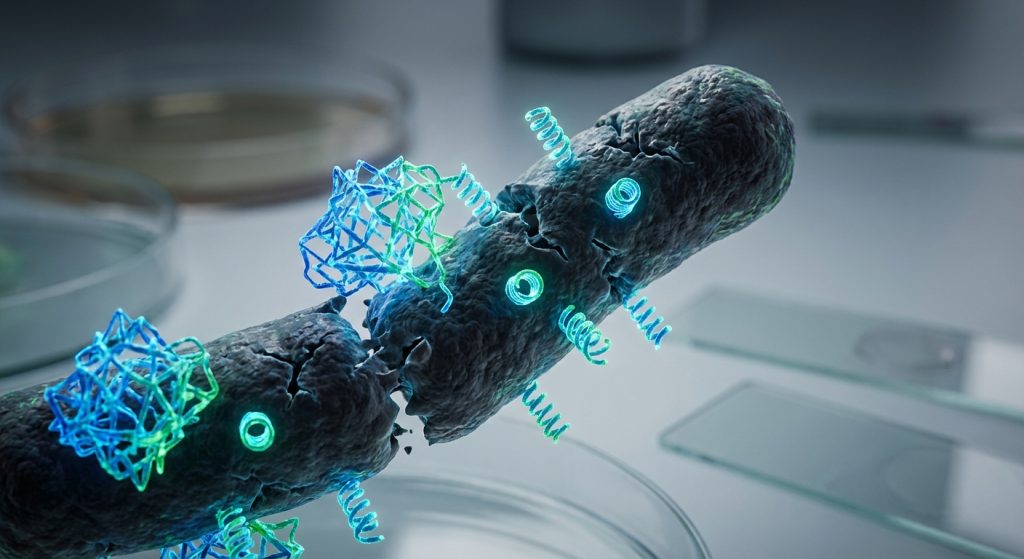
Firstly, let’s define bacteriocins more clearly. They are ribosomally synthesized peptides. They have antimicrobial activity. Importantly, they target bacteria. They are distinct from antibiotics. Bacteriocins are produced by many different bacterial species. This includes both Gram-positive and Gram-negative bacteria. However, their primary role is often to inhibit closely related species. This provides a competitive edge for the producing bacteria. It is a form of microbial warfare. This natural defense mechanism is very effective.
The Diverse World of Bacteriocins
Moreover, bacteriocins are classified into different classes. This classification is based on their structure and properties. The main classes include:
- Class I (Lantibiotics): These are small peptides. They contain unusual amino acids. Lanthionine is a key feature. Examples include nisin. Nisin is widely used in the food industry.
- Class II (Small, non-lanthinated peptides): These are generally heat-stable. They are also more common. Many have a characteristic N-terminal consensus sequence.
- Class III (Large heat-labile proteins): These are less common. They are larger proteins. They are also heat-sensitive.
Each class has unique characteristics. This diversity allows for a broad range of applications. It also means different bacteriocins can target different pathogens.
The Potential of Bacteriocins in Food Preservation
The food industry faces constant challenges. Foodborne pathogens pose a significant risk. Spoilage microorganisms also reduce shelf life. Therefore, effective preservation methods are essential. Bacteriocins offer a natural and potent solution. They can be used in several ways:
Direct Addition to Food
One of the most straightforward applications is direct addition. Bacteriocins can be added to food products during processing. For instance, nisin is already used extensively. It is effective against bacteria like Listeria monocytogenes. This is a dangerous foodborne pathogen. Nisin is often used in dairy products. It is also found in processed meats and canned goods. As a result, it enhances the safety and shelf-life of these products.
As Part of a Hurdle Technology Approach
Furthermore, bacteriocins can be combined with other preservation methods. This is known as hurdle technology. Combining methods creates multiple barriers. These barriers work together to inhibit microbial growth. For example, bacteriocins can be used alongside mild heat treatments or modified atmosphere packaging. This synergistic effect can be more effective than any single method alone. It allows for less severe processing conditions. This preserves food quality better.
Active Food Packaging
Another exciting application is active food packaging. Bacteriocin-producing bacteria can be incorporated into packaging materials. Alternatively, bacteriocins can be coated onto surfaces. When food is packaged, the bacteriocins are released. They then act on the food surface or in the headspace. This provides continuous antimicrobial action. This is particularly useful for high-risk foods. It can extend shelf life significantly without altering the product itself.
Key Bacteriocin Producers and Their Targets
Many bacteria produce bacteriocins. However, some are more relevant to food science. For example, Lactococcus lactis is a well-known producer. It produces many bacteriocins, including nisin. Nisin is effective against Gram-positive bacteria. It targets spoilage organisms and pathogens like Staphylococcus aureus and Clostridium perfringens. On the other hand, some bacteriocins from Escherichia coli and Pseudomonas aeruginosa target Gram-negative bacteria. However, targeting Gram-negative bacteria is often more challenging. This is due to their outer membrane structure.
Challenges in Targeting Gram-Negative Bacteria
The outer membrane of Gram-negative bacteria presents a significant barrier. It prevents many bacteriocins from reaching their target. However, researchers are developing strategies to overcome this. For example, some bacteriocins can disrupt the outer membrane. Others might work in combination with agents that weaken this barrier. Discovering new bacteriocins with inherent activity against Gram-negative bacteria is also a key research area. This is a crucial step for broader food safety applications. You can learn more about host defense peptides, which share some similarities in their antimicrobial action, in our research on host defense peptides.
The Science Behind Bacteriocin Action
Bacteriocins exert their antimicrobial effects through various mechanisms. Firstly, many bacteriocins insert themselves into the bacterial cell membrane. They form pores. This disrupts the membrane potential. It leads to leakage of essential intracellular components. As a result, cell death occurs.
Mechanisms of Action
- Pore Formation: This is a common mechanism. Bacteriocins aggregate on the cell surface. They then insert into the membrane, creating channels.
- Enzymatic Activity: Some bacteriocins have enzymatic activity. They can degrade essential cell wall components. This weakens the cell and leads to lysis.
- Inhibition of Protein and DNA Synthesis: Certain bacteriocins can interfere with vital cellular processes. They can inhibit protein synthesis or DNA replication. This halts bacterial growth.
The specific mechanism depends on the bacteriocin. However, the outcome is always the same: inhibition or killing of target bacteria. This targeted action is a major advantage.
Regulatory Approval and Future Prospects
The use of bacteriocins in food is subject to regulatory approval. This ensures their safety for consumption. Many bacteriocins have already gained GRAS (Generally Recognized As Safe) status. Nisin, for example, is approved in many countries. However, the regulatory landscape can vary. Food Science Technicians must stay informed about these regulations. This is vital for successful product development. The future looks bright for bacteriocins. Their natural origin and effectiveness make them highly attractive. They align well with consumer demand for clean-label products. As a result, research continues to identify new bacteriocins. It also focuses on improving their stability and efficacy.
Overcoming Hurdles for Wider Adoption
Despite their potential, some challenges remain. These include the cost of production. Also, the narrow spectrum of activity for some bacteriocins can be a limitation. Furthermore, resistance development, though less common than with antibiotics, is a possibility. Therefore, ongoing research is essential. It aims to address these issues. For example, genetic engineering can enhance bacteriocin production. It can also broaden their spectrum of activity. Exploring novel sources, like those found in microbial dark matter, could yield new antimicrobial compounds.
Bacteriocin Potential Growth: A Summary for Food Science Technicians
In conclusion, bacteriocins represent a significant opportunity for food science. Their ability to inhibit harmful bacteria is invaluable. They offer a natural alternative to synthetic preservatives. This is important for public health. It also addresses consumer preferences. Food Science Technicians play a key role. They can explore and implement bacteriocin-based solutions. This will lead to safer, higher-quality food products. The continuous research and development in this field promise even more innovation. Therefore, staying updated on bacteriocin potential is a wise investment for any technician.
Frequently Asked Questions (FAQ)
Are bacteriocins safe for human consumption?
Yes, many bacteriocins, like nisin, have been extensively studied and approved for food use. They are generally recognized as safe (GRAS) by regulatory bodies worldwide. Their action is typically specific to bacterial membranes, and they are often degraded during digestion.
Can bacteriocins replace all traditional preservatives?
While bacteriocins offer significant advantages, they may not entirely replace all traditional preservatives. Their spectrum of activity can be narrow, meaning they might not inhibit all types of spoilage organisms or pathogens. Therefore, they are often best used as part of a comprehensive preservation strategy, such as hurdle technology.
How is bacteriocin production scaled up for industrial use?
Bacteriocin production typically involves large-scale fermentation of the producing bacteria. After fermentation, the bacteriocins are extracted and purified. Advances in biotechnology and metabolic engineering are continuously improving the efficiency and cost-effectiveness of this process.
What is the difference between bacteriocins and antibiotics?
Bacteriocins are naturally produced by bacteria and generally have a narrow spectrum of activity, primarily targeting closely related bacterial species. Antibiotics can be produced by various microorganisms or synthesized chemically and often have a broader spectrum of activity, targeting a wider range of bacteria. Resistance to bacteriocins is also generally considered less of a problem compared to antibiotics.
Can bacteriocin resistance develop in foodborne pathogens?
While less common than antibiotic resistance, the development of resistance to bacteriocins is possible. Bacteria can evolve mechanisms to circumvent the action of bacteriocins. This highlights the importance of using bacteriocins judiciously and often in combination with other preservation methods to minimize the risk of resistance.
