
Probiotics & Drugs: A Synergistic Health Approach
Published on January 21, 2026 by Admin
The human body is a complex ecosystem. It hosts trillions of microorganisms. These microbes, especially in our gut, play a vital role. They influence digestion, immunity, and even mood. Probiotics are live microorganisms. They offer health benefits when consumed. Many people use probiotics for gut health. However, their interaction with medications is a growing area of interest. This synergy can impact drug efficacy and safety. Understanding this relationship is crucial for informed health choices.
This article explores the fascinating interplay between probiotics and pharmaceuticals. We will delve into how these beneficial bacteria can influence drug metabolism. We will also examine potential benefits and risks. Furthermore, we will discuss current research and future possibilities.
Understanding the Gut Microbiome’s Role
Your gut microbiome is a bustling community. It contains bacteria, fungi, and viruses. They work together to maintain health. The gut microbiome helps break down food. It also produces essential vitamins. Moreover, it trains your immune system. A balanced microbiome is key to overall well-being.
Conversely, an imbalanced microbiome can cause problems. This is known as dysbiosis. It is linked to various health issues. These include irritable bowel syndrome (IBS), obesity, and even mental health disorders. Probiotics aim to restore this balance. They introduce beneficial bacteria strains.
How Probiotics Can Affect Drug Metabolism
Drug metabolism is how the body processes medication. This primarily occurs in the liver. However, the gut microbiome also plays a significant role. Certain gut bacteria can:
- Alter drug absorption.
- Modify drug breakdown.
- Influence drug excretion.
For example, some bacteria can activate prodrugs. These are inactive forms of medication. Activation by gut microbes makes them effective. Other bacteria might inactivate drugs. This reduces their therapeutic effect. Therefore, the composition of your gut microbiome matters. It can directly impact how your body responds to medication.
Enzyme Activity and Drug Interactions
Gut bacteria produce various enzymes. These enzymes can interact with drugs. Some enzymes can break down drug molecules. This process is called biotransformation. If bacteria break down a drug too quickly, its concentration in the body might fall too low. Consequently, the drug may not work effectively. This is a crucial consideration for many medications.
On the other hand, some bacterial enzymes can convert drugs into active forms. This can enhance their therapeutic effect. However, it can also increase the risk of side effects. Understanding these enzymatic pathways is vital for predicting probiotic-drug interactions. The field of metagenomics is helping us map these complex interactions.
Impact on Drug Absorption and Bioavailability
The gut lining is responsible for absorbing nutrients and medications. The microbiome can influence this process. Probiotics can alter gut motility. They can also affect the integrity of the gut barrier. These changes can impact how much of a drug is absorbed into the bloodstream. This is known as bioavailability.
For instance, probiotics might increase the absorption of certain drugs. This could lead to higher drug levels. It might also increase the risk of toxicity. Conversely, some probiotics could hinder absorption. This would reduce the drug’s effectiveness. Therefore, careful consideration is needed when combining probiotics with medications that have a narrow therapeutic window.
Potential Benefits of Probiotic-Drug Synergy
While interactions can pose challenges, they also offer exciting possibilities. Synergistic effects can enhance treatment outcomes. Several areas show promise:
Enhanced Drug Efficacy
In some cases, probiotics can boost a drug’s effectiveness. For example, certain probiotic strains might help antibiotics reach their target more effectively. They can also help combat antibiotic resistance. This is a significant global health concern. The fight against antimicrobial resistance (AMR) is ongoing. Probiotics might offer a novel approach.
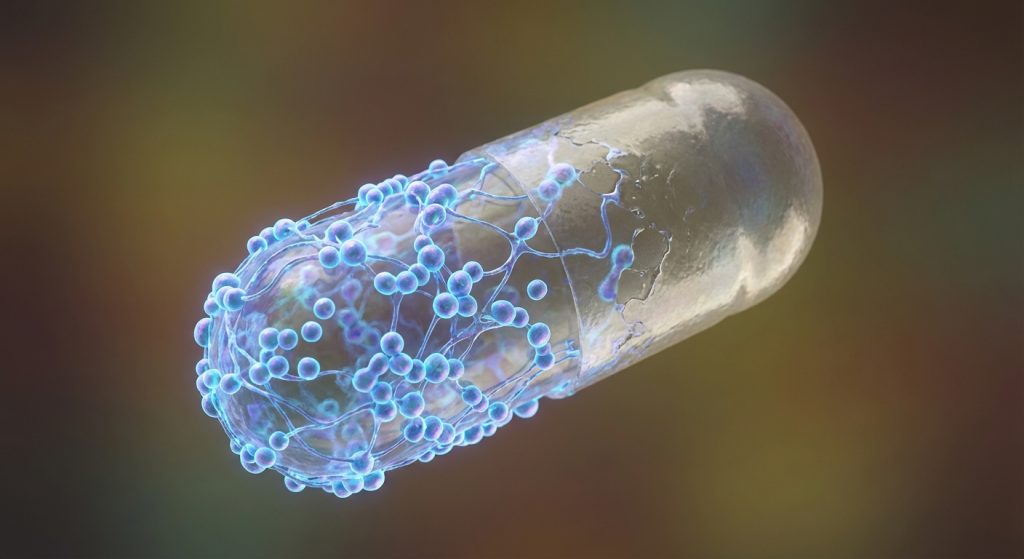
Furthermore, probiotics may improve the delivery of certain medications. They can potentially form protective matrices. This can shield drugs from degradation in the stomach. As a result, more active drug reaches the intestines. This can lead to better absorption and higher efficacy. This concept is related to advancements in nanotech delivery for antibiotics.
Reduced Side Effects
Many medications cause unpleasant side effects. Antibiotics, for example, often disrupt the gut microbiome. This can lead to diarrhea and other digestive issues. Taking probiotics alongside antibiotics can help mitigate these side effects. They help maintain a healthier gut environment. This can reduce the incidence and severity of antibiotic-associated diarrhea.
Similarly, chemotherapy drugs can cause significant gastrointestinal distress. Certain probiotics have shown potential in reducing these side effects. They may help protect the gut lining. They can also support the recovery of beneficial bacteria. This offers a more comfortable treatment experience for patients.
Modulating Immune Responses
The gut microbiome is intrinsically linked to the immune system. Probiotics can modulate immune responses. This can be beneficial when combined with immunomodulatory drugs. For instance, in autoimmune conditions, the immune system attacks the body’s own tissues. Certain probiotics may help rebalance immune responses. This could potentially enhance the effectiveness of treatments.
Moreover, probiotics can prime the immune system. This is particularly relevant for vaccines. They may enhance the immune response to vaccination. This could lead to stronger and more durable immunity. Research into vaccine development is increasingly considering the microbiome’s role.
Potential Risks and Considerations
While the synergistic potential is promising, risks exist. It is crucial to be aware of them. Always consult a healthcare professional before combining probiotics with medications.
Altered Drug Efficacy
As mentioned earlier, probiotics can reduce drug effectiveness. This is a significant concern. If a probiotic inactivates or speeds up the excretion of a vital medication, it can be dangerous. For example, this could happen with certain heart medications or immunosuppressants. The impact can vary greatly depending on the specific probiotic strain and the drug.
Increased Risk of Adverse Events
In some instances, probiotics might increase the risk of adverse drug reactions. This can occur if a probiotic enhances drug absorption too much. It could lead to dangerously high drug concentrations. This is especially true for medications with a narrow therapeutic index. These are drugs where the difference between an effective dose and a toxic dose is small.
Interactions with Specific Drug Classes
Certain drug classes require particular caution. These include:
- Antibiotics: While often beneficial, some antibiotics might kill beneficial probiotic bacteria. This reduces their effectiveness.
- Immunosuppressants: In individuals with compromised immune systems, probiotics could theoretically pose a risk. However, this is rare with standard strains.
- Chemotherapy drugs: Interactions can be complex. Probiotics may help with side effects but could also interfere with drug metabolism.
- Anticoagulants: Some gut bacteria can affect Vitamin K metabolism. This could potentially interact with blood-thinning medications.
It is essential to discuss these interactions with your doctor. They can assess your individual risk profile.
Current Research and Future Directions
The science of probiotic-drug interactions is rapidly evolving. Researchers are actively investigating these synergies. Key areas of focus include:
Strain-Specific Interactions
Not all probiotics are the same. Different strains have unique properties. Research is increasingly focusing on identifying specific strains. These strains might offer beneficial interactions with particular drugs. For example, one strain might be helpful with an antibiotic, while another is beneficial for managing chemotherapy side effects.
Personalized Medicine Approaches
The future likely involves personalized health strategies. Understanding an individual’s microbiome composition is key. This allows for tailored recommendations. A person’s microbiome can be analyzed. Then, specific probiotics can be chosen. These probiotics can complement their medications. This aligns with the principles of personalized medicine.
Developing Novel Therapeutics
Scientists are exploring how to engineer probiotics. They aim to create “designer probiotics.” These could deliver therapeutic compounds directly to specific sites in the body. They might also be programmed to produce beneficial molecules. This opens new avenues for drug development and delivery. This relates to the exciting field of synthetic biology.
Making Informed Choices
Navigating the world of probiotics and medications requires knowledge. Here are some key takeaways:
Consult Your Healthcare Provider
This is the most critical step. Never start or stop any medication or supplement without medical advice. Your doctor can provide guidance. They can assess potential interactions. They can also monitor your response to treatment.
Choose Reputable Brands
The quality of probiotic supplements varies. Opt for reputable brands. Look for products that list specific strains. Check for third-party testing. This ensures purity and potency.
Understand Your Medications
Be aware of the medications you are taking. Understand their purpose. Know their potential side effects. Discuss any interest in probiotics with your prescribing physician.
Listen to Your Body
Pay attention to how you feel. If you experience new or worsening symptoms after starting a probiotic, stop taking it. Report these changes to your doctor immediately.
Frequently Asked Questions
Can I take probiotics with my daily multivitamin?
Generally, yes. Most multivitamins do not directly interfere with probiotic function. However, it’s always best to confirm with your doctor, especially if you have specific health conditions or take prescription medications.
Are all probiotics safe to take with antibiotics?
While many probiotics are beneficial alongside antibiotics, some interactions can occur. Certain antibiotics might reduce the effectiveness of probiotics. Conversely, some probiotics might affect how antibiotics work. It’s crucial to consult your doctor for specific advice on probiotic use with antibiotics.
How long should I take probiotics to see benefits?
The time it takes to notice benefits can vary. Some people feel a difference within a few weeks. Others may need a few months. Consistency is key. It’s also important to choose the right probiotic strain for your specific needs.
Can probiotics help with drug-induced liver injury?
Some research suggests probiotics may play a role in managing certain types of liver injury. This is often related to conditions like non-alcoholic fatty liver disease. However, more research is needed. Always consult a liver specialist for treatment guidance.
Conclusion
The relationship between probiotics and pharmaceuticals is complex yet promising. Probiotics are not merely dietary supplements. They are active participants in our body’s metabolic processes. They can significantly influence how our bodies handle medications. This synergy offers potential for enhanced drug efficacy and reduced side effects. However, it also necessitates caution due to potential risks.
As research progresses, we gain a deeper understanding of these interactions. This knowledge paves the way for more personalized and effective health strategies. By working closely with healthcare professionals and making informed choices, individuals can harness the power of probiotic synergy. This approach can contribute to better overall health outcomes. The exploration of these interactions is a vital part of the ongoing quest for advanced health solutions.
