
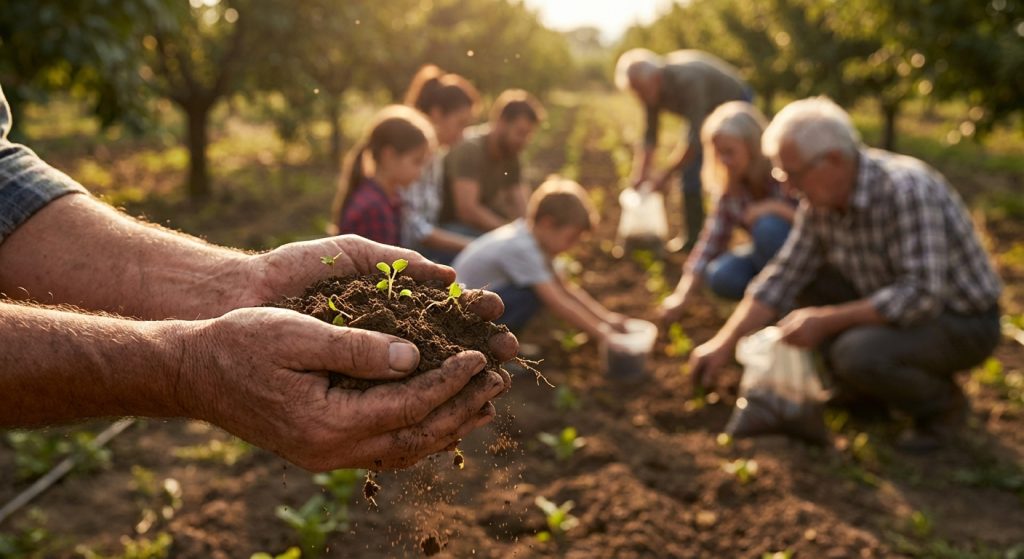
Healthy soil is fundamental for life on Earth. It supports plant growth, biodiversity, and even helps regulate our climate. However, soil health is under threat globally due to degradation and poor management. Fortunately, a powerful movement is emerging to address this: citizen science. This approach empowers ordinary people to actively participate in monitoring and improving soil health. Therefore, environmental activists have a crucial role to play in championing these initiatives.
Citizen science bridges the gap between scientific research and public engagement. It allows for wider data collection and fosters a deeper understanding of local environmental issues. Specifically, soil health monitoring benefits greatly from these collaborative efforts. It helps fill critical knowledge gaps and informs better land management practices. This article explores how citizen science is revolutionizing soil health efforts and how you can get involved.
The Vital Importance of Soil Health
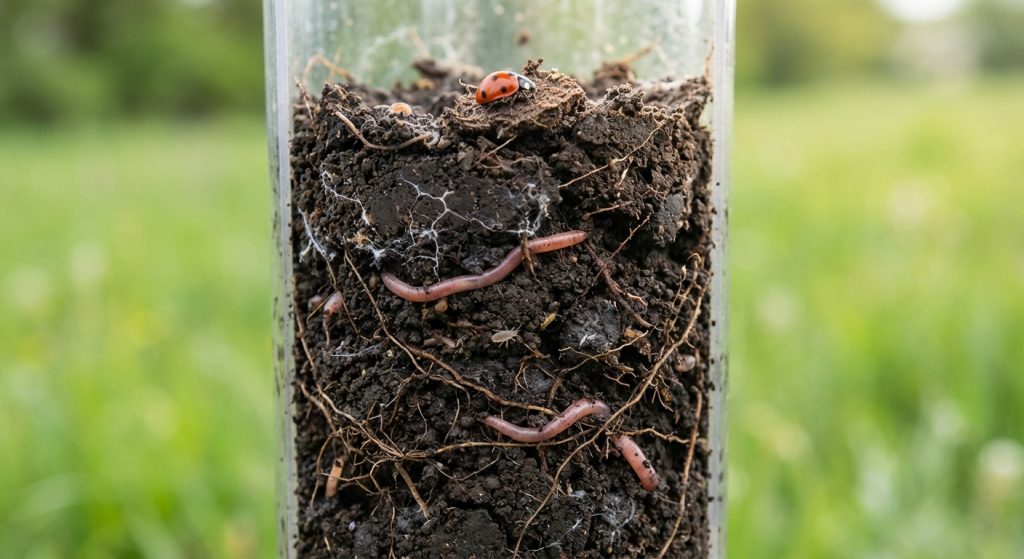
To begin, let’s understand why soil health is so critical. Soils provide essential ecosystem services. They are the foundation for agriculture, ensuring food security for a growing global population. Furthermore, healthy soils are vital for maintaining biodiversity. They host a vast array of microorganisms and invertebrates that are crucial for nutrient cycling and ecosystem function.
Moreover, soils play a significant role in climate change mitigation. They act as a substantial carbon sink, storing more carbon than is found in the atmosphere and all vegetation combined. When soil health declines, this stored carbon can be released, contributing to greenhouse gas emissions. Consequently, protecting and improving soil health is a key strategy in addressing the climate crisis.
Poor soil health also leads to increased risks of erosion and flooding. Degraded soils are less able to absorb water, making landscapes more vulnerable to extreme weather events. This has direct impacts on human health and infrastructure. Therefore, understanding and safeguarding our soils is not just an environmental concern; it is a matter of public well-being.
What is Citizen Science?
Citizen science involves the public in scientific research. It’s a partnership between scientists and volunteers. Participants contribute to data collection, analysis, or even project design. This collaborative approach offers numerous benefits for environmental research. For instance, it allows for data collection over larger geographical areas and longer time scales than researchers could manage alone.
The “Soil Health Guards” project in Europe is a prime example. This initiative engages farmers and youth in monitoring physical, chemical, and biological soil indicators. Participants use simple, cost-effective methods to assess soil moisture, pH, organic matter decomposition, and biodiversity. Such activities not only generate valuable data but also educate participants about soil ecosystems. This fosters a sense of shared responsibility for environmental stewardship.
Crucially, effective citizen science goes beyond mere data collection. It aims for co-creation and collaboration. This means involving citizens in defining research questions, interpreting results, and advocating for action. When citizens are actively engaged throughout a project’s lifecycle, the impact is significantly amplified.
Key Soil Health Indicators Monitored by Citizens
Citizen scientists can monitor a range of soil health indicators. These are often chosen for their scientific relevance and ease of measurement. Some common indicators include:
- Soil Moisture: Understanding how much water the soil holds is vital for plant growth and ecosystem function.
- pH Levels: Soil acidity or alkalinity affects nutrient availability for plants.
- Organic Matter Decomposition: This indicates the biological activity in the soil. For example, burying cotton fabric or tea bags and monitoring their breakdown is a simple method.
- Soil Texture: The proportion of sand, silt, and clay influences water retention and aeration.
- Biodiversity: Counting earthworms, insects, and other soil macrofauna provides insights into soil life.
These straightforward yet scientifically relevant methods allow for sensitive assessments of short-term changes in soil conditions. They empower participants to make informed conclusions about soil health.
Benefits of Citizen Science for Soil Health
The involvement of citizens in soil health monitoring brings numerous advantages. Firstly, it significantly expands the scope and scale of data collection. This is essential for understanding complex soil processes across diverse landscapes. For example, the “Citizen Science Soil Health Project” in Colorado engaged growers in annual soil testing. This provided a wealth of data on soil health indicators like organic matter and living vegetation cover.
Secondly, citizen science fosters greater public awareness and engagement with environmental issues. When people are directly involved in collecting data, they develop a deeper connection to the land and its health. This can lead to increased adoption of sustainable land management practices. The project aims to increase growers’ knowledge about soil health and encourage them to implement new practices.
Moreover, citizen science can inform policy and decision-making. By providing localized, ground-truthed data, citizen science initiatives can highlight specific environmental challenges and advocate for solutions. This can influence agricultural organizations, policymakers, and the wider community. Ultimately, it supports a move towards farmer-led, data-driven decision-making.
Empowering Farmers and Youth
Projects like “Soil Health Guards” specifically target both organic and conventional farmers, as well as youth. Engaging farmers ensures that the monitoring methods are practical and relevant to agricultural operations. For youth, it instills a sense of environmental stewardship from an early age. This cross-generational approach is vital for long-term soil conservation.
By involving diverse groups, citizen science promotes collaboration and knowledge sharing. Farmers can share their practical experience, while researchers provide scientific expertise. This synergy leads to more effective and context-specific solutions for soil health challenges. The project aims to deepen comprehension of soil health and facilitate collaboration among various stakeholders.
Citizen Science Methods and Tools
Several methods and tools are employed in citizen science for soil health. The key is to use approaches that are repeatable, straightforward, and cost-effective. Scientists classify these methods based on criteria like time requirements, cost, and data reliability.
Some common citizen science approaches include:
- Fieldwork and Observation: This involves direct observation of soil characteristics, such as color, structure, and presence of organisms.
- Simple Chemical Tests: Kits are available for measuring pH, nutrient levels, and other chemical properties.
- Decomposition Assays: As mentioned, burying materials like cotton or tea bags and observing their rate of decomposition is a popular method. This indicates biological activity.
- Macrofauna Surveys: Identifying and counting visible soil invertebrates helps assess biodiversity.
- Photography: Documenting soil conditions and plant growth provides visual data.
Researchers have identified numerous citizen science methods and toolkits for various soil health indicators. Some of these are free and require no specialist equipment, making them highly accessible. For example, the “Citizen Science Soil Health Project” provided growers with user-friendly forms and instructions for soil health tests. This enabled them to act like scientists, asking questions and tracking their data.
Challenges and Considerations
Despite its many benefits, citizen science for soil health faces challenges. One significant hurdle is ensuring data quality and reliability. Scientists must rigorously validate the data collected by volunteers. This often involves training participants thoroughly and providing clear protocols. Data validation and analysis by a research team are crucial for accuracy.
Another challenge, particularly in regions where citizen science is novel, is the lack of structured education. In Serbia, for instance, citizen science initiatives were often limited to data collection, missing out on collaborative aspects. To overcome this, projects are increasingly focusing on co-creation, involving citizens in all project phases, from design to interpretation.
Moreover, ensuring long-term engagement and participation can be difficult. Projects need to maintain participant motivation through regular communication, feedback, and recognition. Communicating results back to citizen scientists and the wider community is vital. This reinforces their contribution and encourages continued involvement.
The Future of Citizen Science in Soil Health
The role of citizen science in monitoring and improving soil health is set to grow. As awareness of soil’s importance increases, so too will the demand for accessible monitoring methods. Citizen science offers a cost-effective and scalable solution to this need. It can contribute significantly to achieving global sustainability goals, such as those related to land degradation neutrality and food security.
Furthermore, advancements in technology, such as mobile apps and data analysis platforms, are making citizen science more accessible and impactful. These tools can streamline data collection, improve accuracy, and facilitate faster feedback loops. This will enable more sophisticated analyses and better-informed conservation efforts. Ultimately, citizen science empowers communities to become active stewards of their local environment, fostering a collective commitment to healthier soils for future generations.
Frequently Asked Questions (FAQ)
What is the main goal of citizen science for soil health?
The main goal is to involve the public in monitoring and improving soil health. This helps collect more data, raise awareness, and promote sustainable land management practices.
How can I participate in a citizen science soil health project?
You can look for local environmental organizations, universities, or research projects that run citizen science initiatives. Websites like the European Citizen Science Platform or ESDAC list ongoing projects.
Do I need special equipment to participate?
Many citizen science projects use simple, readily available tools. Some may require basic kits for tests like pH, while others rely on observation and photography. Some toolkits are free and require no specialist equipment.
How is the data collected by citizens used?
The collected data is typically validated and analyzed by researchers. It helps in understanding soil conditions, identifying problem areas, informing agricultural practices, and influencing policy decisions.
What are the benefits of citizen science for farmers?
Farmers gain access to soil health testing and data, which can help them make informed decisions to improve crop yields and sustainability. It also fosters a collaborative network for sharing knowledge and solutions.
Can citizen science help address climate change?
Yes, by monitoring and improving soil health, citizen science contributes to enhancing soil’s carbon sequestration capacity. This helps mitigate climate change by storing more carbon in the soil.
Conclusion
Citizen science offers a powerful, inclusive approach to understanding and improving soil health. By engaging communities, it expands research capabilities, raises crucial awareness, and drives tangible action. Environmental activists can play a vital role in promoting these initiatives, advocating for their adoption, and participating directly. Together, we can cultivate healthier soils, ensuring a more sustainable and resilient future for all.
