

Aging is a natural process. However, it doesn’t have to mean decline. Biohacking offers exciting ways to optimize health. It aims to extend lifespan and healthspan. This guide explores key biohacking protocols for longevity. We will look at science-backed strategies. These can help you live longer and healthier.
Understanding the Pillars of Longevity
True longevity is more than just adding years. It’s about adding life to those years. This means maintaining physical and mental vitality. It involves optimizing cellular health and function. Therefore, a holistic approach is essential. We must consider diet, exercise, sleep, and stress management.
Furthermore, emerging technologies play a role. They offer new ways to track and improve health. Understanding these pillars is the first step. It helps us build a personalized longevity plan.
Dietary Strategies for Extended Health
What you eat significantly impacts aging. Several dietary approaches show promise. Intermittent fasting is one popular method. It involves cycling between periods of eating and fasting. This can improve metabolic health. It may also trigger cellular repair processes. For example, intermittent fasting myths are often debunked by its scientific benefits.
Another key strategy is adopting an anti-inflammatory diet. Chronic inflammation is a major driver of aging. Foods rich in antioxidants and omega-3 fatty acids are beneficial. Think berries, leafy greens, and fatty fish. Conversely, processed foods and excessive sugar can promote inflammation. Therefore, minimizing these is crucial.
Moreover, focusing on nutrient density is important. This ensures your body gets essential vitamins and minerals. These support cellular repair and function. Soil health is intrinsically linked to food quality. Healthy soil produces nutrient-dense food. You can learn more about how soil health impacts human health.
The Role of Mitochondria
Mitochondria are the powerhouses of our cells. They produce energy. Their function declines with age. This decline contributes to aging. Protecting and optimizing mitochondrial function is vital. Antioxidants and certain nutrients can help. Cold thermogenesis is also explored. It may boost brown fat and metabolism. This can indirectly support mitochondrial health. Discover more about mitochondrial health and its role in slowing aging.
Optimizing Sleep for Cellular Repair
Sleep is not a luxury; it’s a necessity for longevity. During sleep, our bodies repair themselves. Cellular damage is cleared. Hormones are regulated. The brain consolidates memories. Furthermore, the glymphatic system is active. This system clears waste products from the brain. Therefore, prioritizing quality sleep is essential.
Aim for 7-9 hours of quality sleep per night. Create a consistent sleep schedule. Optimize your sleep environment. Make it dark, quiet, and cool. Limit screen time before bed. Blue light can disrupt melatonin production. Understanding sleep architecture is also helpful. This includes REM and NREM sleep stages. You can learn more about sleep architecture and its importance.
The Power of Movement and Exercise
Regular physical activity is a cornerstone of longevity. Exercise strengthens muscles and bones. It improves cardiovascular health. It also enhances cognitive function. Furthermore, it helps regulate mood and stress. Different types of exercise offer unique benefits.
Aerobic exercise improves heart and lung function. Strength training builds muscle mass. This is crucial as muscle mass declines with age. Flexibility and balance exercises prevent falls. They improve mobility. High-intensity interval training (HIIT) can be very effective. However, it’s important to avoid overtraining. Fitness tracking should not lead to burnout. Learn to recognize and avoid exercise burnout.
Stress Management and Mental Well-being
Chronic stress is detrimental to health. It accelerates aging. It weakens the immune system. It contributes to many diseases. Therefore, effective stress management is vital. Techniques like mindfulness and meditation can help. Deep breathing exercises can lower blood pressure. They promote relaxation. You can explore the science behind deep breathing for instant blood pressure reduction.
Cultivating resilience is also key. This means developing the ability to bounce back from adversity. Gratitude journaling can also improve well-being. It rewires the brain for more positive outlooks. Understanding the gut-brain axis is also important. Your gut microbiome influences mood and focus. This highlights the interconnectedness of mind and body. Explore the gut-brain axis and its impact.
The Role of Epigenetics
Epigenetics refers to changes in gene expression. These changes are not caused by alterations in DNA sequence. Lifestyle factors like diet and stress can influence them. This means your environment and choices can impact your genes. Therefore, you have more control over your aging process than you might think. Understanding epigenetics and lifestyle’s role is empowering.
Emerging Technologies and Longevity Tools
Biohacking embraces new technologies. Wearable biosensors offer continuous health monitoring. They can track sleep, heart rate, and activity. This data provides insights. It helps personalize interventions. Smart devices can also aid in sleep tracking. They can monitor environmental factors.
Liquid biopsies are revolutionizing diagnostics. They can detect diseases like cancer early. This allows for timely treatment. AI is also playing a growing role. It helps analyze complex health data. It can predict disease risks. It can also accelerate drug discovery. For instance, AI is driving AI-driven drug discovery paths.
Genetic Insights and Personalized Medicine
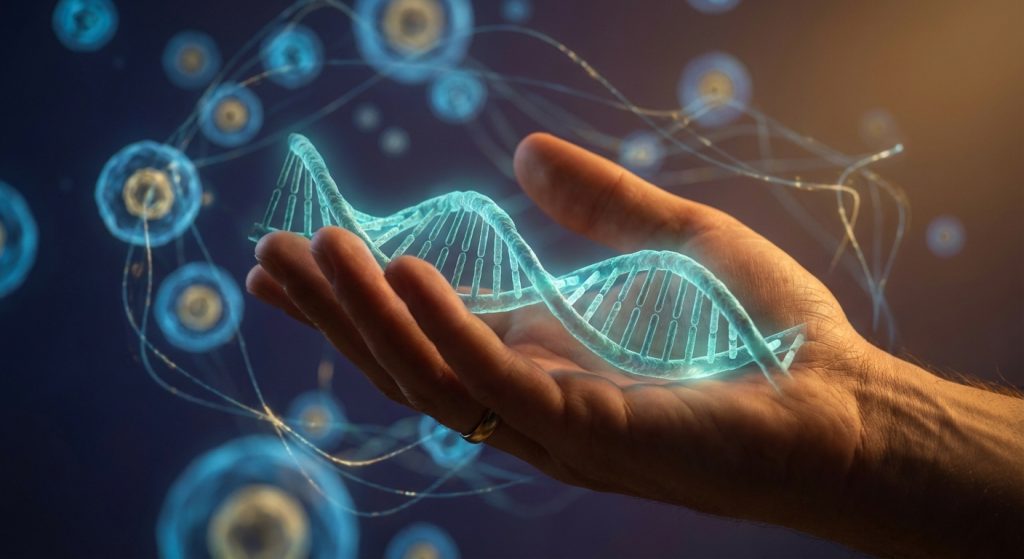
Your DNA holds valuable information. Genetic testing can reveal predispositions. It can guide personalized health strategies. This is the essence of precision medicine. Treatments are tailored to your unique genetic makeup. Therefore, understanding your genetic blueprint is powerful. It offers insights into future medicine. Discover how your DNA is key to future medicine.
Environmental Factors and Longevity
Our environment significantly impacts our health. Exposure to toxins can accelerate aging. Reducing exposure to pollutants is important. This includes air and water quality. It also involves managing exposure to microplastics. These can affect endocrine systems. You can explore the impact of microplastics on animal endocrine systems, which has implications for human health too.
Spending time in nature also has benefits. Green space therapy, or forest bathing, reduces stress. It improves mood. It can boost cognitive function. Therefore, incorporating nature into your life is beneficial. Learn more about the clinical benefits of forest bathing.
Frequently Asked Questions (FAQ)
What is the most important biohacking protocol for longevity?
The most important protocol is often considered a combination of factors. These include a nutrient-dense diet, consistent exercise, quality sleep, and stress management. There isn’t a single magic bullet. A holistic approach is key.
Can biohacking actually reverse aging?
Biohacking aims to slow down the aging process. It focuses on optimizing healthspan and lifespan. While true reversal of aging is complex, many protocols can improve cellular health. They can mitigate age-related decline. For instance, cellular senescence research explores reversing aging at the molecular level.
Are there any risks associated with biohacking?
Yes, some biohacking practices can carry risks. It’s crucial to research thoroughly. Consult with healthcare professionals. Avoid unproven or extreme methods. Always prioritize safety and evidence-based approaches.
How can I start with biohacking for longevity?
Start small. Focus on foundational habits first. Improve your diet, sleep, and exercise routines. Then, gradually explore other tools and techniques. Consider tracking key biomarkers. Consult with experts for personalized guidance. A good starting point is understanding biohacking fundamentals and tools.
Conclusion
Biohacking human longevity is an exciting frontier. It empowers individuals to take control of their health. By understanding and implementing key protocols, you can optimize your well-being. This includes diet, exercise, sleep, stress management, and leveraging technology. Ultimately, the goal is not just to live longer, but to live better, with vitality and purpose. Embrace the journey of self-optimization. Your future self will thank you.
