
Nurturing Your Inner Ecosystem: Gut-Brain Axis Strategies
Published on January 23, 2026 by Admin
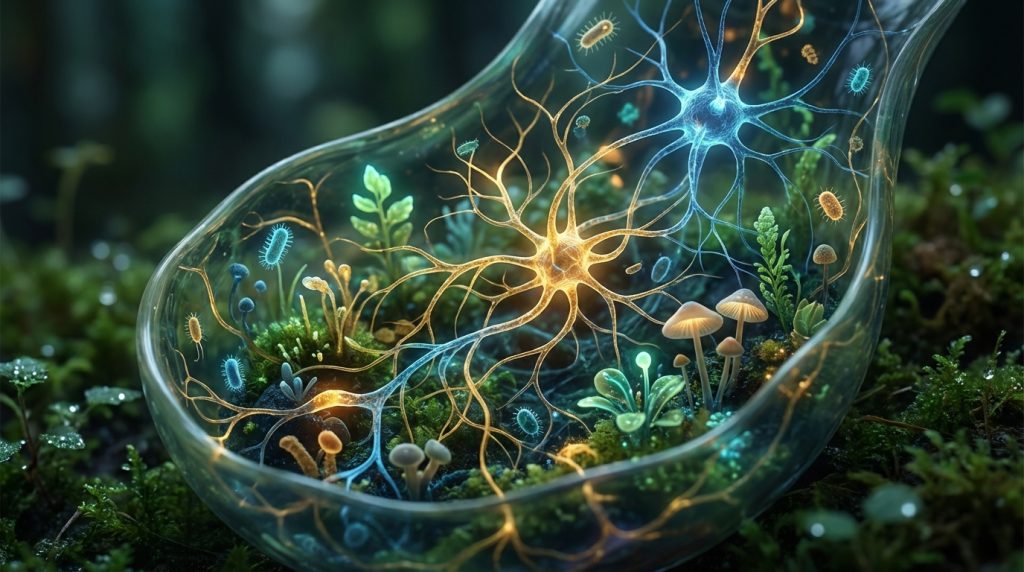
The connection between your gut and your brain is profound. This intricate network, known as the gut-brain axis, influences everything from your mood to your digestion. Understanding and nurturing this connection is key to holistic wellness. Therefore, exploring effective strategies can lead to significant improvements in both physical and mental health.
The Gut-Brain Axis Explained
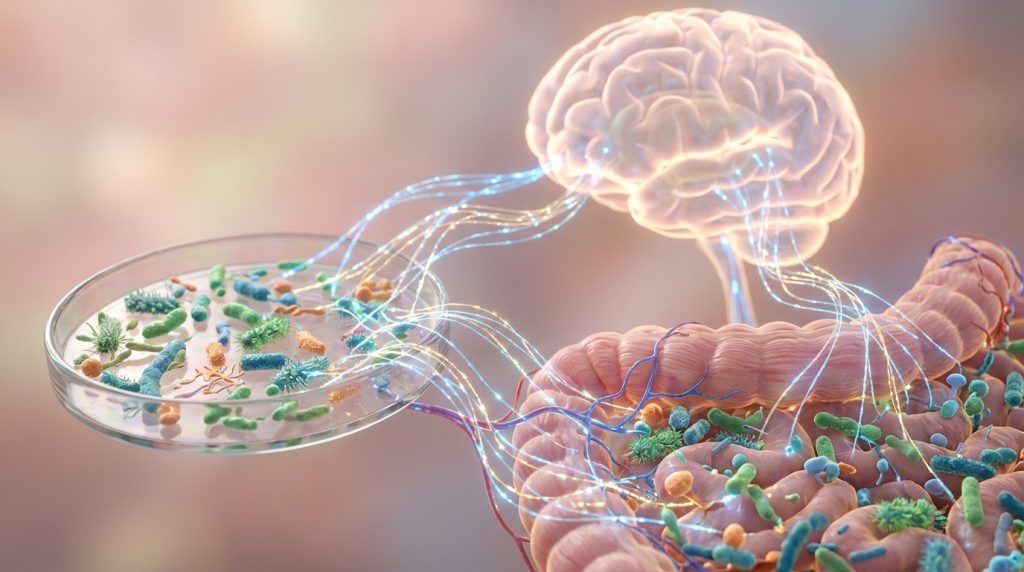
Firstly, the gut-brain axis is a bidirectional communication system. It involves the central nervous system and the enteric nervous system. This system allows the brain to influence gut activity. Conversely, the gut also sends signals back to the brain. These signals impact mood, cognition, and behavior. Moreover, the gut microbiome plays a crucial role in this communication. It consists of trillions of microorganisms. These microbes produce neurotransmitters. They also influence inflammation. As a result, disruptions in the gut can affect brain function.
Microbiome’s Mighty Influence
Your gut microbiome is a bustling ecosystem. It houses bacteria, fungi, and viruses. A diverse and balanced microbiome is vital for health. For instance, certain bacteria produce serotonin. This is a key neurotransmitter for mood regulation. Additionally, gut microbes help digest food. They also synthesize vitamins. Furthermore, they train your immune system. When this balance is disturbed, known as dysbiosis, problems can arise. Therefore, maintaining a healthy gut flora is paramount.
Strategies for Gut-Brain Axis Wellness
Fortunately, numerous strategies can enhance the gut-brain axis. These approaches focus on lifestyle and dietary modifications. They aim to promote a balanced microbiome and reduce inflammation. Consequently, you can experience better mood, improved digestion, and sharper cognitive function.
Dietary Foundations for a Healthy Gut
Diet is perhaps the most significant factor. What you eat directly impacts your gut microbes. Aim for a diet rich in whole foods. This includes plenty of fruits and vegetables. Fiber is essential. It feeds beneficial gut bacteria. Therefore, incorporate foods like:
- Leafy greens
- Berries
- Whole grains
- Legumes
- Nuts and seeds
In addition, fermented foods are excellent sources of probiotics. These live microorganisms can bolster your gut health. Examples include yogurt, kefir, kimchi, and sauerkraut. Conversely, limit processed foods. Sugary drinks and artificial sweeteners can harm gut bacteria. Therefore, reducing these is beneficial.
The Power of Probiotics and Prebiotics
Probiotics introduce beneficial bacteria to your gut. You can find them in fermented foods or supplements. However, choosing the right probiotic strain is important. Some strains are better suited for specific issues. Therefore, consulting a nutritionist can be helpful. Prebiotics, on the other hand, are non-digestible fibers. They serve as food for your existing gut bacteria. Foods rich in prebiotics include garlic, onions, bananas, and oats. Thus, a combination of prebiotics and probiotics offers synergistic benefits.
You can learn more about the synergy between probiotics and drugs in our article on Probiotics & Drugs: A Synergistic Health Approach.
Stress Management Techniques
Stress significantly impacts the gut-brain axis. Chronic stress can alter gut permeability. It can also change the composition of the microbiome. Therefore, managing stress is crucial. Techniques like mindfulness meditation are highly effective. Deep breathing exercises can calm the nervous system. Furthermore, regular physical activity is a great stress reliever. Engaging in hobbies and ensuring adequate sleep also contribute. Thus, a multi-faceted approach to stress management yields the best results.
Prioritizing Sleep and Rest
Sleep is vital for both brain and gut health. During sleep, your body repairs itself. Your gut also undergoes important processes. Poor sleep can disrupt the gut microbiome. It can also increase inflammation. Therefore, aim for 7-9 hours of quality sleep per night. Establish a consistent sleep schedule. Create a relaxing bedtime routine. Avoid screens before bed. Furthermore, consider your bedroom environment. Dark, quiet, and cool rooms promote better sleep. You can optimize your sleep by mastering your body clock through Circadian Rhythm Sleep Optimization.
The Role of Exercise
Regular physical activity benefits the gut-brain axis in several ways. Exercise can increase gut microbiome diversity. It also helps reduce inflammation. Moreover, it improves mood by releasing endorphins. Aim for a mix of aerobic exercise and strength training. Even moderate activity, like brisk walking, can make a difference. Therefore, find activities you enjoy. Consistency is key to reaping the benefits. This promotes overall well-being.
Mindful Eating Practices
How you eat is as important as what you eat. Mindful eating involves paying attention to your food. It means savoring each bite. It also involves recognizing your body’s hunger and fullness cues. This practice can improve digestion. It can also reduce stress-related eating. Therefore, slow down during meals. Eliminate distractions. Focus on the sensory experience of your food. This conscious approach enhances nutrient absorption.
Factors Affecting the Gut-Brain Axis
Several factors can negatively impact the gut-brain axis. Understanding these can help you avoid them.
Environmental Toxins
Exposure to environmental toxins can disrupt the gut microbiome. Pesticides, heavy metals, and pollution can harm beneficial bacteria. Therefore, minimizing exposure is important. Choose organic foods when possible. Ensure good ventilation in your home. Furthermore, support initiatives for cleaner environments. This contributes to long-term health.
Medications and Antibiotics
Antibiotics, while crucial for fighting infections, can decimate gut bacteria. They kill both harmful and beneficial microbes. Therefore, use antibiotics only when necessary. Always follow your doctor’s prescription. For instance, consider the impact of antibiotics on gut health. You can learn more about the potential synergy between probiotics and drugs in our article on Probiotics & Drugs: A Synergistic Health Approach.
Chronic Inflammation
Inflammation is a natural immune response. However, chronic inflammation can damage the gut lining. It can also disrupt gut-brain communication. Therefore, addressing underlying causes of inflammation is vital. A healthy diet and stress management are key. Furthermore, certain supplements may help. Chronic inflammation is a silent architect of modern disease, and understanding how to fight it is crucial. You can explore this further in our article on Chronic Inflammation: The Silent Architect of Modern Disease.
When to Seek Professional Help
While lifestyle changes can significantly improve gut-brain axis wellness, persistent issues warrant professional attention. If you experience chronic digestive problems, such as bloating, pain, or irregular bowel movements, consult a healthcare provider. Persistent mood disturbances, anxiety, or depression that don’t improve with self-care may also indicate an underlying issue. Furthermore, unexplained fatigue or changes in appetite could be related to gut-brain axis dysfunction. A clinical nutritionist or a functional medicine practitioner can help diagnose and manage these conditions. They can also provide personalized strategies.
Frequently Asked Questions (FAQ)
How quickly can I expect to see results from gut-brain axis strategies?
Results vary depending on individual factors. Some people notice improvements in mood or digestion within a few weeks. Others may take several months. Consistency with diet, stress management, and sleep is key. Therefore, be patient with the process.
Are there specific foods that are particularly bad for the gut-brain axis?
Yes, highly processed foods, excessive sugar, artificial sweeteners, and unhealthy fats can negatively impact gut bacteria. These foods can promote inflammation and dysbiosis. Therefore, limiting their intake is beneficial for gut-brain axis health.
Can probiotics alone fix gut-brain axis issues?
Probiotics can be helpful, but they are not a magic bullet. They work best as part of a comprehensive strategy. This includes a healthy diet, stress management, and good sleep. Therefore, consider probiotics as a supportive tool, not a sole solution.
Is there a link between the gut microbiome and mental health conditions like anxiety and depression?
Absolutely. Research strongly suggests a link. The gut microbiome produces neurotransmitters and influences inflammation, both of which affect mood and mental health. Therefore, nurturing your gut can positively impact your mental well-being.
Conclusion
The gut-brain axis is a fascinating and powerful connection. By adopting a holistic approach that includes a nutrient-dense diet, effective stress management, quality sleep, and regular exercise, you can significantly enhance your well-being. Nurturing your inner ecosystem is an investment in your overall health. This proactive strategy empowers you to achieve greater vitality and resilience. Therefore, start implementing these strategies today for a healthier, happier you.
