
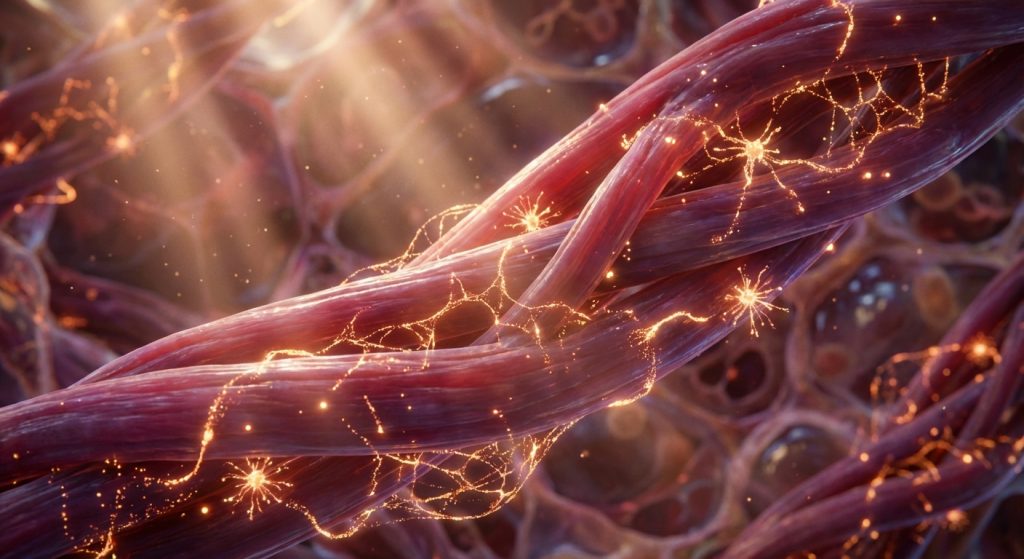
Elite athletes push their bodies to the absolute limit. This relentless pursuit of peak performance demands exceptional recovery. Muscle repair is crucial. It’s not just about rest. It involves intricate biological processes. These happen at a microscopic level. Understanding these secrets can unlock faster healing. It also leads to greater strength gains. Therefore, mastering microscopic muscle recovery is vital.
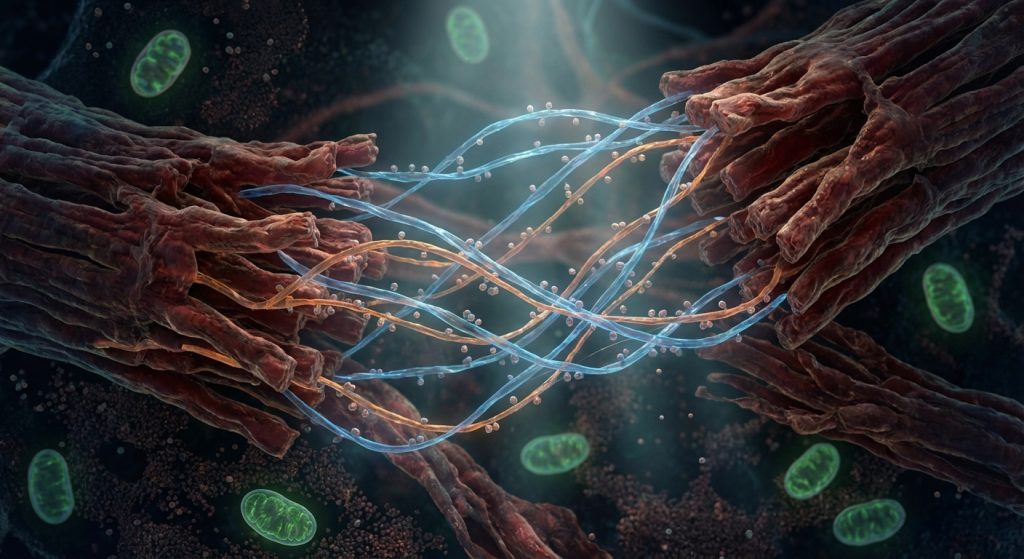
The Science of Muscle Damage and Repair
Intense exercise causes microscopic tears in muscle fibers. This is a normal part of training. These tears signal the body to initiate repair. This process is called muscle protein synthesis. It’s a complex cascade of events. Firstly, inflammation plays a role. It helps clear damaged tissue. Then, satellite cells activate. These are stem cells within muscles. They fuse with damaged fibers. This repairs them and can even create new ones. As a result, muscles become stronger and more resilient. However, this process requires specific conditions to be optimal.
Inflammation: The First Responders
Immediately after exercise, an inflammatory response begins. Immune cells rush to the damaged areas. They release cytokines and growth factors. These signals are essential for repair. While excessive inflammation can be detrimental, a controlled inflammatory phase is necessary. It prepares the muscle for rebuilding. Therefore, don’t suppress all inflammation immediately after training.
Satellite Cells: The Muscle’s Rebuilders
Satellite cells are dormant in muscle tissue. Exercise and subsequent signals awaken them. They then proliferate and migrate to the injured sites. Subsequently, they differentiate into myoblasts. These myoblasts fuse with existing muscle fibers. This fusion is key to muscle hypertrophy. It also repairs damage effectively. Furthermore, proper nutrition fuels this regeneration.
Nutrition: Fueling Microscopic Repair
What you eat directly impacts muscle recovery. Protein is the building block. Carbohydrates replenish energy stores. Micronutrients support cellular functions. Therefore, a strategic approach to nutrition is paramount.
Protein: The Essential Building Blocks
Muscle protein synthesis requires amino acids. These come from dietary protein. Aim for complete proteins. They contain all essential amino acids. Leucine is particularly important. It acts as a trigger for muscle protein synthesis. Therefore, consuming adequate protein is non-negotiable. Consider protein intake throughout the day.
Carbohydrates: Replenishing Glycogen
Glycogen is the primary fuel source for muscles. Intense workouts deplete these stores. Replenishing them is crucial for subsequent performance. Moreover, carbohydrates aid in protein synthesis. They help shuttle amino acids into muscle cells. Therefore, don’t shy away from smart carbohydrate intake. Focus on complex carbs for sustained energy.
Micronutrients: The Unsung Heroes
Vitamins and minerals play vital roles. Vitamin D supports muscle function. Magnesium is involved in energy production. Zinc aids in protein synthesis and repair. Furthermore, antioxidants combat oxidative stress. This stress increases with intense exercise. Therefore, a balanced diet rich in fruits and vegetables is essential. You can explore topics like the anti-inflammatory diet to understand food’s impact.
Sleep: The Ultimate Recovery Tool
Sleep is when the body does most of its repair work. Growth hormone is released during deep sleep. This hormone is critical for tissue repair. It also promotes muscle growth. Therefore, prioritizing sleep is as important as training.
The Stages of Sleep and Muscle Repair
Different sleep stages contribute differently. Slow-wave sleep (deep sleep) is prime time for growth hormone release. REM sleep is important for cognitive function and memory consolidation. However, it also plays a role in muscle repair. Therefore, aiming for consistent, quality sleep is crucial. Understanding sleep architecture can help optimize your rest.
Optimizing Sleep Hygiene
Create a consistent sleep schedule. Make your bedroom dark, quiet, and cool. Avoid screens before bed. Furthermore, limit caffeine and alcohol intake. These factors significantly impact sleep quality. As a result, you’ll experience better recovery.
Active Recovery: Moving Towards Healing
Rest doesn’t always mean complete inactivity. Active recovery can enhance blood flow. This helps deliver nutrients and remove waste products. Therefore, incorporating light activity can be beneficial.
Low-Intensity Exercise
Activities like walking, cycling, or swimming at a low intensity can be effective. They increase circulation without causing further muscle damage. Moreover, they can help reduce muscle soreness. Therefore, consider a light session on rest days.
Stretching and Mobility Work
Gentle stretching improves flexibility. It can also help alleviate muscle tightness. Foam rolling is another technique. It applies pressure to muscles. This can release knots and improve blood flow. Consequently, it aids in recovery.
Beyond the Basics: Advanced Recovery Strategies
Elite athletes often employ more sophisticated methods. These can further optimize the microscopic recovery process.
Cryotherapy and Contrast Baths
Cold therapy, like cryotherapy or ice baths, can reduce inflammation. Contrast water therapy (alternating hot and cold) may improve circulation. However, research on their long-term benefits is ongoing. Therefore, use these judiciously.
Compression Garments
Compression clothing may improve blood flow. It can also reduce muscle oscillation during exercise. Some athletes report reduced soreness and faster recovery. However, individual responses vary.
Electrical Muscle Stimulation (EMS)
EMS uses electrical impulses to contract muscles. It’s thought to increase blood flow and potentially aid in muscle repair. However, its effectiveness for recovery is still debated. Therefore, consult with a professional before using it.
The Role of Hydration
Water is essential for all bodily functions. This includes muscle repair. Dehydration can impair nutrient transport. It can also hinder waste removal. Therefore, staying adequately hydrated is critical. This goes beyond just drinking water. Electrolyte balance is also important. This is especially true after intense, prolonged exercise.
Mind-Body Connection in Recovery
The mind plays a significant role in healing. Stress can impede recovery. Cortisol, the stress hormone, can break down muscle tissue. Therefore, managing stress is crucial. Techniques like meditation and mindfulness can help. They promote relaxation. This, in turn, supports the body’s natural repair processes. Exploring cortisol balance is a good step.
Frequently Asked Questions (FAQ)
How quickly can muscles recover microscopically?
Microscopic muscle repair begins within hours of exercise. However, significant rebuilding and adaptation can take 24-72 hours, depending on the intensity and individual factors.
Is it okay to train if I’m still sore?
Mild soreness is usually okay for light activity. However, severe pain suggests significant damage. Pushing too hard can hinder microscopic repair and increase injury risk. Listen to your body.
How much protein do elite athletes need daily?
Elite athletes typically need between 1.6 to 2.2 grams of protein per kilogram of body weight per day. This supports muscle repair and growth.
Can supplements speed up muscle recovery?
Certain supplements, like creatine and whey protein, can support recovery. However, they are most effective when combined with proper nutrition, sleep, and training practices. They are not magic bullets.
What is the most important factor for muscle recovery?
While many factors contribute, consistent, quality sleep is arguably the most critical for microscopic muscle repair and overall recovery. This is when the body performs most of its restorative functions.
Conclusion
Mastering microscopic muscle recovery is an ongoing journey. It requires a holistic approach. This includes intelligent training, optimal nutrition, and sufficient sleep. Active recovery and stress management also play significant roles. By understanding and implementing these strategies, elite athletes can enhance their healing. They can also achieve greater performance gains. Therefore, pay attention to the small details. They make the biggest difference.
“`
