

In today’s hyper-connected world, remote work offers flexibility. However, it also blurs the lines between professional and personal life. This can lead to burnout. Therefore, a digital detox is crucial for mental well-being. This guide helps remote tech employees navigate this challenge.
Understanding the Digital Overload
Remote employees often face constant digital stimulation. Emails, messages, and video calls are relentless. This continuous digital engagement taxes the brain. It can lead to:
- Increased stress and anxiety.
- Difficulty focusing and concentrating.
- Sleep disturbances.
- Feelings of isolation and burnout.
Therefore, recognizing these signs is the first step. It allows us to proactively manage our digital consumption.
Why Digital Detox is Essential
A digital detox is more than just turning off your phone. It’s about intentionally reducing screen time. It’s also about reclaiming your mental space. For remote workers, this is vital. It helps to:
- Reduce mental fatigue.
- Improve sleep quality.
- Enhance focus and productivity.
- Boost mood and reduce anxiety.
- Strengthen real-world relationships.
Indeed, taking breaks from screens can significantly improve overall well-being. It allows your mind to rest and recharge.
Creating a Digital Detox Plan
A successful digital detox requires planning. It should be tailored to your lifestyle. Here are some steps to consider:
1. Set Clear Boundaries
First, establish clear work hours. Avoid checking emails or messages outside these times. Communicate these boundaries to colleagues and clients. This helps manage expectations. It also protects your personal time.
2. Schedule Screen-Free Time
Dedicate specific times each day for no screens. This could be during meals or before bed. For example, try a “no-phone zone” in the bedroom. This simple change can greatly improve sleep.
3. Identify Digital Triggers
What makes you reach for your phone? Is it boredom, stress, or habit? Identifying these triggers helps you develop coping strategies. For instance, if boredom is a trigger, have non-digital activities ready.
4. Designate Tech-Free Zones
Create physical spaces in your home where devices are not allowed. This could be the dining table or the bedroom. Consequently, these zones become sanctuaries for relaxation and connection.
Practical Digital Detox Strategies for Remote Workers
Implementing a digital detox doesn’t have to be drastic. Small, consistent changes make a big difference. Here are some practical strategies:
Mindful Technology Use
Be intentional about your screen time. Ask yourself if you truly need to be online. Turn off non-essential notifications. This reduces constant interruptions. It helps you stay present.
Embrace Analog Activities
Rediscover non-digital hobbies. Reading physical books, gardening, or crafting can be very grounding. These activities offer a welcome break from the digital world. They engage different parts of your brain.
Prioritize Sleep Hygiene
Poor sleep is often linked to excessive screen time. Establish a relaxing bedtime routine. Avoid screens for at least an hour before sleep. This helps signal to your body that it’s time to rest. You can learn more about optimizing your sleep cycle in our article on circadian rhythm sleep optimization.
Connect in Real Life
Make an effort to connect with people offline. Schedule face-to-face meetings or social gatherings. Even a quick chat with a neighbor can be beneficial. These interactions combat feelings of isolation.
Nature Breaks
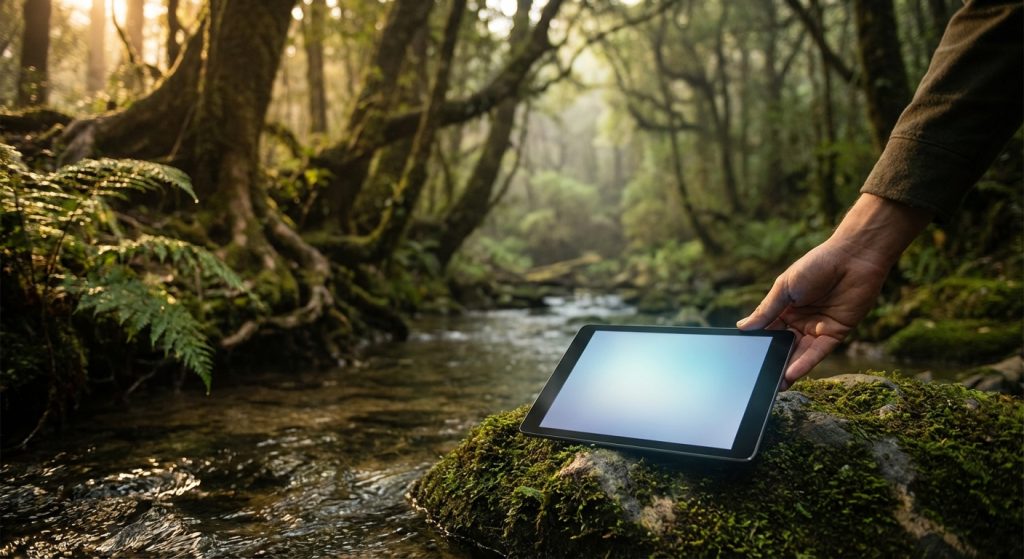
Spending time in nature is a powerful antidote to digital overload. Take short walks outdoors during the day. Observe your surroundings without your phone. This can significantly reduce stress levels. The benefits of nature are well-documented, and you can explore them further in articles about green space therapy.
Overcoming Challenges
Digital detox isn’t always easy. Remote work often demands constant connectivity. Here are some common challenges and how to address them:
Fear of Missing Out (FOMO)
It’s natural to worry about missing important information. However, most work-related information can wait. Prioritize essential communications. For personal life, cultivate a mindset that values presence over constant updates. Remember, true connection happens when you’re fully engaged.
Workplace Culture
Some workplaces expect immediate responses. If this is the case, discuss your needs with your manager. Explain the importance of boundaries for sustained productivity. Often, employers are more understanding than we assume. Exploring digital detoxing can help reset your nervous system.
Habit Formation
Breaking old habits takes time and effort. Be patient with yourself. Celebrate small victories. If you slip up, don’t get discouraged. Just get back on track. Consistency is key.
Tools and Apps to Aid Your Detox
While the goal is to reduce screen time, some tools can help. These can assist in managing your digital habits:
- Screen Time Trackers: Apps like Moment or Freedom can monitor your usage. They can also block distracting websites and apps.
- Website Blockers: Tools like Cold Turkey or StayFocusd help limit access to time-wasting sites.
- Focus Apps: Apps like Forest or Forestify gamify focus. They reward you for staying off your phone.
- Mindfulness Apps: Apps like Calm or Headspace offer guided meditations. These can help calm an overstimulated mind.
Therefore, use these tools mindfully. They should support your detox, not become another digital crutch.
Long-Term Strategies for Sustainable Well-being
A digital detox is not a one-time event. It’s an ongoing practice. Cultivating sustainable well-being involves integrating healthy digital habits into your routine. This includes:
- Regularly reviewing your digital consumption.
- Making conscious choices about technology use.
- Prioritizing offline activities and relationships.
- Practicing self-compassion and flexibility.
Furthermore, by adopting these practices, remote tech employees can thrive. They can maintain their mental health and avoid burnout. This leads to a more fulfilling work and personal life.
Frequently Asked Questions (FAQ)
What is a digital detox for remote workers?
A digital detox for remote workers is a period of intentionally reducing or eliminating digital device usage. This aims to combat digital overload, reduce stress, and improve mental well-being. It involves setting boundaries and engaging in offline activities.
How often should I do a digital detox?
The frequency depends on your individual needs and work demands. Some people benefit from daily screen-free periods. Others might opt for weekly or monthly longer detoxes. Consistency is more important than intensity.
Can a digital detox actually improve my work performance?
Yes, absolutely. By reducing mental fatigue and improving focus, a digital detox can lead to enhanced productivity and creativity. When your mind is rested, you can tackle tasks more effectively. It can also improve your ability to focus, similar to strategies for neural plasticity and focus.
What are the signs I need a digital detox?
Signs include feeling overwhelmed, increased anxiety, difficulty sleeping, constant fatigue, reduced concentration, and feeling disconnected from loved ones. If these resonate, it’s a strong indicator you need a break.
Is it possible to do a digital detox while working remotely?
Yes, it is possible and highly recommended. It requires setting strict boundaries, communicating them effectively, and being disciplined about your usage. It’s about managing technology, not eliminating it entirely from work.
Conclusion
In conclusion, for remote tech employees, a digital detox is not a luxury; it’s a necessity. It’s a powerful tool for safeguarding mental health in our screen-dominated work environments. By implementing mindful practices, setting boundaries, and prioritizing offline activities, you can reclaim your focus, reduce stress, and foster a healthier relationship with technology. Therefore, start small, be consistent, and embrace the restorative power of disconnecting to reconnect with yourself and the world around you.
