
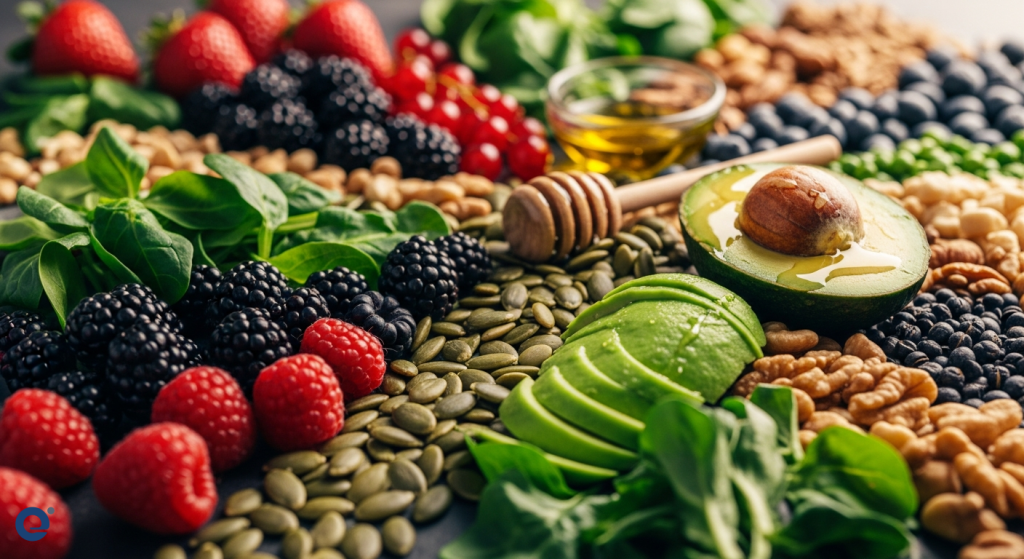
In today’s fast-paced world, maintaining optimal health and energy levels can feel like a constant challenge. Many individuals, especially those in high-stress professions, experience significant physical and psychological strain. This often leads to increased oxidative stress and a decline in energy. Fortunately, the integration of functional foods, often referred to as “superfoods,” into your daily diet can offer a powerful solution. These nutrient-dense foods provide a concentrated source of health-promoting compounds that can help counteract these negative effects and enhance overall well-being and performance.
This article will explore how to effectively incorporate these superfoods into your daily routine. We will delve into what makes them so impactful, highlight key examples, and provide practical tips for nutritionists and home cooks alike. The goal is to empower you to make informed dietary choices for maximum health benefits.
Understanding Functional Foods and Superfoods
Functional foods are essentially foods that offer health benefits beyond basic nutrition. They contain bioactive compounds that can positively impact physiological functions. Superfoods are a subset of these, renowned for their exceptionally high nutrient density and potent health-promoting properties. They are packed with vitamins, minerals, antioxidants, and other beneficial compounds.
The concept of functional foods is gaining traction in healthcare and nutrition. They are seen as a proactive approach to health management. For example, functional foods are being explored for their role in energy enhancement, particularly for professionals in demanding fields. This highlights their potential to support both physical and mental performance.
The Science Behind Superfood Power
The remarkable benefits of superfoods largely stem from their rich antioxidant content. Antioxidants are crucial for combating oxidative stress. Oxidative stress occurs when there’s an imbalance between free radicals and the body’s antioxidant defenses. Free radicals are unstable molecules that can damage cells. This damage is linked to aging and various chronic diseases.
Key dietary antioxidants include vitamins C and E, polyphenols, and carotenoids. These compounds work synergistically to neutralize free radicals. For instance, polyphenols, abundant in many superfoods, have been extensively studied for their health benefits. They play a vital role in protecting cells from damage. Therefore, incorporating foods rich in these antioxidants is a fundamental strategy for maintaining health.
Key Superfoods and Their Benefits
Several foods stand out for their exceptional nutrient profiles and health-promoting capabilities. Understanding these specific foods can help in tailoring dietary plans.
Cacao Powder: A True Superfood
Raw cacao powder is a prime example of a nutrient-dense superfood. Unlike processed cocoa powder, raw cacao is made by cold-pressing fermented cacao beans. This gentle process preserves heat-sensitive nutrients and enzymes. As a result, it retains a significantly higher concentration of antioxidants, minerals, and bioactive compounds.
Cacao powder boasts one of the highest ORAC (Oxygen Radical Absorbance Capacity) scores ever recorded. It measures approximately 95,500 ORAC units per 100 grams. This is significantly higher than other well-known antioxidant foods like blueberries or goji berries. The primary antioxidants in cacao are flavonoids, such as catechins and epicatechins. These compounds provide comprehensive cellular protection against free radical damage. Furthermore, they contribute to healthier aging processes and enhanced immune function.
The benefits of cacao extend to cardiovascular health. Its flavonoids stimulate nitric oxide production, promoting vasodilation and improving blood flow. This can naturally help reduce blood pressure and enhance circulation. Studies also indicate that cacao consumption can positively influence cholesterol levels. It helps reduce LDL (bad) cholesterol oxidation and may increase HDL (good) cholesterol. Therefore, incorporating organic cacao powder into your diet can offer substantial heart health advantages.
Berries: Antioxidant Powerhouses
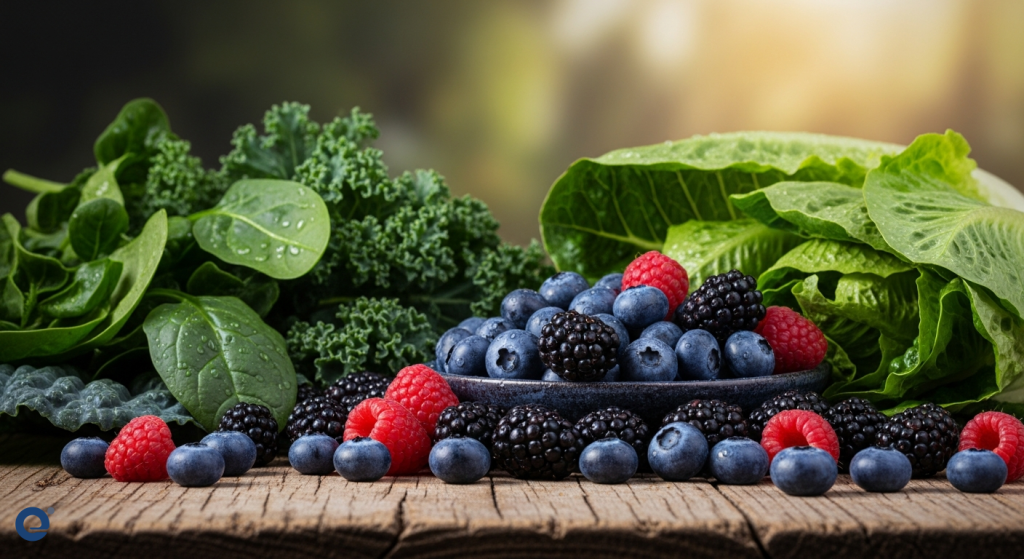
Berries, such as blueberries, strawberries, raspberries, and cranberries, are nutritional giants. They are loaded with antioxidants, particularly anthocyanins, which give them their vibrant colors. These compounds are potent in fighting inflammation and protecting against chronic diseases. Blueberries, for example, are celebrated for their cognitive benefits. They are thought to improve memory and brain function.
Moreover, berries are a good source of fiber, which aids digestion and promotes gut health. They also contain essential vitamins like Vitamin C and Vitamin K. Their low glycemic index makes them a suitable choice for managing blood sugar levels. Thus, adding a handful of mixed berries to your daily meals is an easy way to boost your antioxidant intake.
Leafy Greens: Nutrient-Dense Staples
Dark leafy greens like spinach, kale, and Swiss chard are fundamental to a healthy diet. They are packed with vitamins A, C, K, and folate. They also provide essential minerals such as iron, calcium, and magnesium. Leafy greens are rich in fiber and phytonutrients, contributing to overall health and disease prevention.
Spinach, for instance, is an excellent source of lutein and zeaxanthin, antioxidants beneficial for eye health. Kale is a cruciferous vegetable known for its anti-cancer properties. The fiber in leafy greens supports a healthy gut microbiome. This is crucial for digestion and immune function. Therefore, making leafy greens a regular part of your meals is highly recommended.
Nuts and Seeds: Healthy Fats and Minerals
Almonds, walnuts, chia seeds, flaxseeds, and pumpkin seeds are excellent sources of healthy fats, protein, fiber, and minerals. Walnuts are particularly rich in omega-3 fatty acids, which are beneficial for heart and brain health. Almonds provide Vitamin E, magnesium, and calcium. Chia seeds and flaxseeds are packed with fiber and omega-3s, making them great for digestive health.
These small but mighty foods can help reduce inflammation and improve cholesterol levels. They also contribute to satiety, aiding in weight management. Sprinkling seeds on salads or enjoying a small handful of nuts as a snack are simple ways to integrate them into your diet.
Fatty Fish: Omega-3 Rich Foods
Fatty fish like salmon, mackerel, and sardines are renowned for their high omega-3 fatty acid content. Omega-3s are essential fats that the body cannot produce on its own. They are crucial for reducing inflammation, supporting brain health, and promoting cardiovascular well-being. Regular consumption of fatty fish has been linked to a lower risk of heart disease and stroke.
These fish also provide high-quality protein and essential vitamins like Vitamin D. Vitamin D plays a vital role in immune function and bone health. Aiming to include fatty fish in your diet at least twice a week can significantly contribute to your overall health. For those who don’t consume fish, omega-3 supplements or plant-based sources like flaxseeds can be considered.
Integrating Superfoods into Your Daily Diet
Incorporating functional foods and superfoods into your daily routine doesn’t have to be complicated. With a few simple strategies, you can maximize their impact.
Breakfast Boosts
Start your day with nutrient-rich options. Add berries and a sprinkle of chia seeds or flaxseeds to your oatmeal or yogurt. A smoothie can be an excellent vehicle for superfoods. Blend spinach, berries, a spoonful of cacao powder, and a liquid base like almond milk. This provides a concentrated dose of nutrients to kickstart your day.
Consider adding a tablespoon of cacao powder to your morning coffee or hot chocolate for an antioxidant boost. Moreover, for those interested in exploring different dietary strategies, understanding concepts like intermittent fasting myths can complement a superfood-rich diet by influencing metabolic health.
Lunch and Dinner Enhancements
Salads are a perfect canvas for superfoods. Load them with dark leafy greens, berries, nuts, and seeds. Add grilled salmon or a sprinkle of pumpkin seeds for added protein and healthy fats. You can also incorporate nutrient-dense vegetables like broccoli and sweet potatoes into your main meals.
Soups and stews can be enriched with pureed spinach or kale. Cacao powder can even be used in savory dishes, adding depth to chili or mole sauces. Remember, the goal is to make these nutrient-dense additions a regular, enjoyable part of your meals.
Snacks and Treats
Healthy snacking is crucial for maintaining energy levels throughout the day. A small handful of almonds or walnuts makes for a satisfying snack. Trail mix with nuts, seeds, and dried berries (in moderation due to sugar content) is another good option. Dark chocolate, made with a high percentage of cacao, can also be a delicious and antioxidant-rich treat.
Chia seed pudding is a simple and nutritious snack. Mix chia seeds with milk (dairy or plant-based) and a touch of sweetener, then let it set. You can add berries or cacao powder for extra flavor and nutrients. These choices help curb cravings and provide sustained energy.
Addressing Stress and Energy Levels
As highlighted in research, high-stress environments can lead to increased oxidative stress and energy depletion. Functional foods play a significant role in mitigating these effects. The antioxidants in superfoods help combat the cellular damage caused by stress. Moreover, some functional foods and supplements have direct energy-enhancing properties.
For instance, ginseng is known for its adaptogenic properties, helping the body cope with stress. Coenzyme Q10 is vital for cellular energy production. While supplements can be beneficial, focusing on whole foods as the primary source of these compounds is always recommended. For deeper insights into managing stress, exploring strategies for cortisol balance can be very helpful.
The Role of Nutritionists and Home Cooks
Nutritionists can play a vital role in educating individuals about the benefits of functional foods. They can help create personalized meal plans that effectively integrate these superfoods. This includes understanding individual needs and preferences. They can also guide clients on sourcing high-quality ingredients.
Home cooks can experiment with incorporating new ingredients into their favorite recipes. Simple substitutions, like using cacao powder instead of cocoa powder, can make a significant difference. Learning about the versatility of these foods is key. Therefore, both professionals and home cooks have a role in promoting the widespread adoption of functional foods.
High Protein Breakfast Smoothie! Struggle to eat in the morning? #smoothie #fitness #fatloss #recipe
Frequently Asked Questions
What exactly are functional foods?
Functional foods are foods that have a potentially positive effect on health beyond basic nutrition. They contain specific bioactive compounds that can benefit physiological functions.
Are superfoods expensive?
While some superfoods can be premium-priced, many are quite affordable. Berries, leafy greens, oats, and certain seeds are budget-friendly options. Buying in season and in bulk can also help manage costs.
How quickly can I expect to see benefits from eating more superfoods?
The benefits can vary. Some effects, like improved hydration or immediate antioxidant action, might be felt sooner. Long-term benefits, such as reduced chronic inflammation or improved cardiovascular markers, develop over consistent consumption.
Can I eat too many superfoods?
While nutrient-rich, moderation is still key. Excessive consumption of any single food, even a superfood, can lead to an imbalance. A varied diet ensures you get a broad spectrum of nutrients.
Are there any side effects of consuming functional foods?
Generally, functional foods are safe when consumed as part of a balanced diet. However, some individuals might experience mild digestive upset with high fiber intake initially. It’s always advisable to introduce new foods gradually.
Conclusion
Integrating functional foods and superfoods into your daily diet is a proactive and powerful strategy for enhancing health, energy, and overall well-being. From the antioxidant richness of cacao and berries to the essential nutrients in leafy greens and fatty fish, these foods offer a wealth of benefits. By making conscious choices and simple adjustments to your meals and snacks, you can harness the incredible power of nature’s most nutrient-dense offerings. Whether you’re a nutritionist guiding clients or a home cook looking to improve your family’s health, embracing functional foods is a delicious and effective path to a healthier, more energetic life.
