
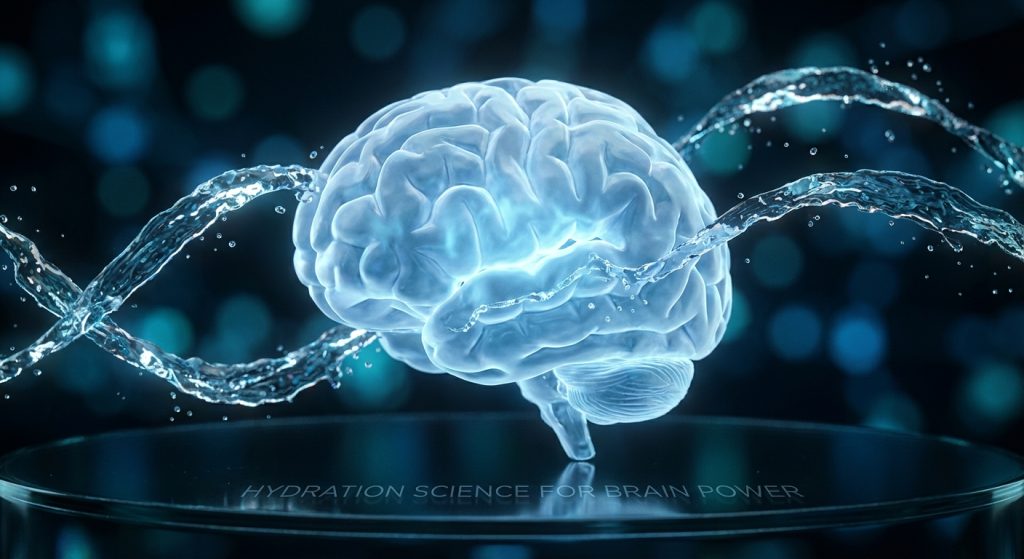
Your brain needs water to function. It’s a simple fact. But how much is enough? And what happens when you don’t drink enough? This article explores the vital link between hydration and cognitive performance. University students, especially, need to understand this. Juggling lectures, study, and social life is demanding. Your brain works hard. Therefore, keeping it hydrated is crucial. Let’s dive into the science.

The Brain’s Water Dependency
Did you know your brain is about 75% water? That’s a huge percentage. Water is essential for every bodily function. It’s especially critical for your brain. Water helps maintain the electrical activity of your brain cells. These cells communicate constantly. This communication relies on a delicate balance of electrolytes. These electrolytes are dissolved in water. Therefore, proper hydration ensures this balance is maintained.
Furthermore, water plays a key role in transporting nutrients to the brain. It also helps remove waste products. Think of it as your brain’s internal plumbing system. When this system is well-maintained, everything runs smoothly. Conversely, when it’s neglected, problems arise.
Dehydration’s Impact on Cognition
Even mild dehydration can significantly impair cognitive function. This is particularly true for students. You might experience headaches. Concentration can become difficult. Your mood might also suffer. Studies have shown that dehydration can affect short-term memory. It can also impact logical reasoning. For instance, a mere 1-2% loss of body water can lead to noticeable cognitive deficits. This means that feeling thirsty is already a sign that you are dehydrated.
Moreover, dehydration can slow down your reaction time. This is important for many tasks, from sports to quick decision-making. It can also lead to increased feelings of fatigue. This makes it harder to stay alert during lectures or late-night study sessions. Therefore, staying hydrated is not just about physical health; it’s about mental acuity too.
Mood and Emotional Regulation
Interestingly, dehydration can also impact your emotional state. When you’re dehydrated, your body releases stress hormones like cortisol. This can lead to increased anxiety and irritability. Consequently, maintaining good hydration can contribute to better emotional regulation. This is vital for managing the pressures of university life. You might find that a simple glass of water can help calm your nerves. It’s a small step with significant effects.
Focus and Attention Span
Focus is paramount for academic success. Dehydration directly interferes with this. When you’re not adequately hydrated, your brain struggles to maintain attention. You might find yourself easily distracted. Tasks that require sustained concentration become much harder. Therefore, ensuring you drink enough water can be a simple yet effective strategy to improve your focus. This is especially true when tackling complex subjects or preparing for exams. You can learn more about boosting focus through habits that support brain health, such as those discussed in articles on nootropic blends.
How Much Water Do You Really Need?
The common advice is to drink eight glasses of water a day. However, this is a general guideline. Individual needs vary. Factors like activity level, climate, and diet play a role. For instance, if you exercise regularly, you’ll need more water. If you live in a hot climate, you’ll also need to increase your intake. University students often lead active lives, even if it’s just walking across campus.
Listen to your body. Thirst is a primary indicator. However, don’t wait until you are parched. Urine color is another good indicator. Pale yellow urine generally means you are well-hydrated. Dark yellow or amber urine suggests you need to drink more. Aim for consistent intake throughout the day. Small, frequent sips are often better than chugging large amounts at once.
Beyond Plain Water: Other Hydrating Options
While plain water is the best choice, other beverages can contribute to your fluid intake. However, it’s important to be mindful of what you choose. Sugary drinks can lead to energy crashes. Caffeinated beverages can have a diuretic effect, meaning they can cause you to lose more fluid. Moderation is key.
Fruits and vegetables also contain a high water content. Foods like watermelon, cucumbers, and strawberries can be excellent sources of hydration. Incorporating these into your diet is a delicious way to stay quenched. For example, a healthy snack of fruit can provide both hydration and essential nutrients. You might also consider herbal teas. They offer flavor without the downsides of sugary drinks. Remember, the goal is to increase your overall fluid intake.
The Science Behind Water and Brain Function
Water’s role in the brain is multifaceted. It’s crucial for maintaining cerebrospinal fluid. This fluid cushions the brain and spinal cord. It also helps remove toxins. The brain’s electrical signals rely on the movement of ions. These ions are carried in water. Therefore, water is fundamental to nerve impulse transmission. Without adequate water, these impulses slow down.
Furthermore, water is involved in thermoregulation. Your brain generates heat during metabolic processes. Water helps dissipate this heat. This prevents the brain from overheating. Overheating can lead to serious damage. So, staying hydrated is like giving your brain a built-in cooling system.
Electrolyte Balance and Neural Activity
Electrolytes like sodium, potassium, and chloride are vital for nerve function. They are dissolved in the body’s water. Their balance is critical for generating electrical signals. Dehydration can disrupt this balance. This leads to impaired neural activity. For instance, low sodium levels due to excessive water intake without electrolyte replacement can cause hyponatremia, which is dangerous. Conversely, being dehydrated concentrates these electrolytes, which can also disrupt normal function. Therefore, maintaining a proper fluid and electrolyte balance is key.
Nutrient Transport and Waste Removal
Water acts as a solvent. It carries vital nutrients like glucose and oxygen to brain cells. Similarly, it helps flush out metabolic waste products. These waste products, if accumulated, can impair brain function. The glymphatic system, which clears waste from the brain, is more active during sleep. However, it relies on adequate hydration to function efficiently. Therefore, good hydration supports both immediate brain function and long-term brain health. Understanding how the brain cleans itself during sleep might also be beneficial, as detailed in information about the glymphatic system.
Practical Tips for Students
As a student, integrating good hydration habits can seem challenging. However, small changes make a big difference. Here are some practical tips:
- Keep a reusable water bottle with you at all times.
- Set reminders on your phone to drink water.
- Start your day with a glass of water before coffee or tea.
- Drink water before, during, and after exercise.
- Choose water over sugary drinks when possible.
- Eat water-rich fruits and vegetables.
- Be extra mindful of hydration during exam periods.
Furthermore, consider the impact of your environment. Air-conditioned rooms can be drying. Ensure you’re still drinking enough even if you don’t feel particularly thirsty. Also, if you’re consuming alcohol or excessive caffeine, remember to compensate with extra water. This is because both can dehydrate you. Therefore, conscious effort is required.
When to Seek Professional Advice
While dehydration is common, persistent or severe symptoms warrant medical attention. If you experience severe headaches, confusion, or dizziness that doesn’t improve with hydration, consult a doctor. These could be signs of more serious health issues. Your university’s health services are a great resource. They can offer personalized advice. They can also help identify any underlying conditions affecting your hydration levels. Remember, your health is paramount to your academic success.
Frequently Asked Questions (FAQ)
Can drinking too much water be harmful?
Yes, it can. Drinking an excessive amount of water in a short period can lead to a dangerous condition called hyponatremia, where sodium levels in your blood become too diluted. This can cause symptoms ranging from nausea and headaches to seizures and coma. However, this is rare for most people under normal circumstances. It usually occurs with extreme endurance activities or certain medical conditions.
Does caffeine count towards my daily water intake?
Caffeine has a mild diuretic effect, meaning it can increase urination. However, the amount of water in caffeinated beverages usually offsets this effect. So, while it contributes to fluid intake, it’s not as effective as plain water. It’s best to rely primarily on water for optimal hydration.
How does hydration affect sleep quality?
Dehydration can disrupt sleep patterns. Your body might wake you up feeling thirsty. Also, the discomfort from dehydration can make it harder to fall asleep or stay asleep. Therefore, staying hydrated throughout the day can contribute to better sleep quality. This is crucial for cognitive function and overall well-being. You can learn more about optimizing sleep through articles on deep sleep induction.
Are sports drinks necessary for students?
For most students, plain water is sufficient. Sports drinks are designed to replenish electrolytes lost during prolonged, intense exercise. If you are engaged in very strenuous physical activity for over an hour, a sports drink might be beneficial. Otherwise, they often contain added sugars that are unnecessary and can be detrimental to health.
Conclusion
In conclusion, hydration is a cornerstone of brain health and cognitive performance. For university students, maintaining optimal fluid intake is not a luxury but a necessity. It directly impacts your ability to learn, focus, and manage stress. By understanding the science behind hydration and implementing simple, practical strategies, you can unlock your brain’s full potential. Make water your study buddy. Your brain will thank you for it. Consider it a fundamental aspect of your overall wellness strategy, much like maintaining good posture through proper posture or managing stress effectively.
