
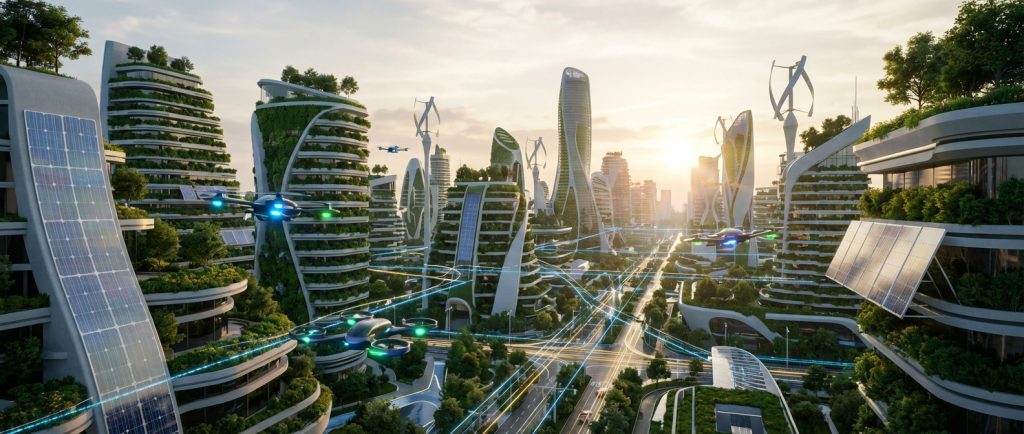
Urban planners face many challenges today. Cities are growing rapidly. This growth strains resources. It also impacts the environment. Sustainable smart city technology offers solutions. These technologies integrate digital systems. They aim to improve urban living. They also reduce environmental footprints. This article explores key innovations.
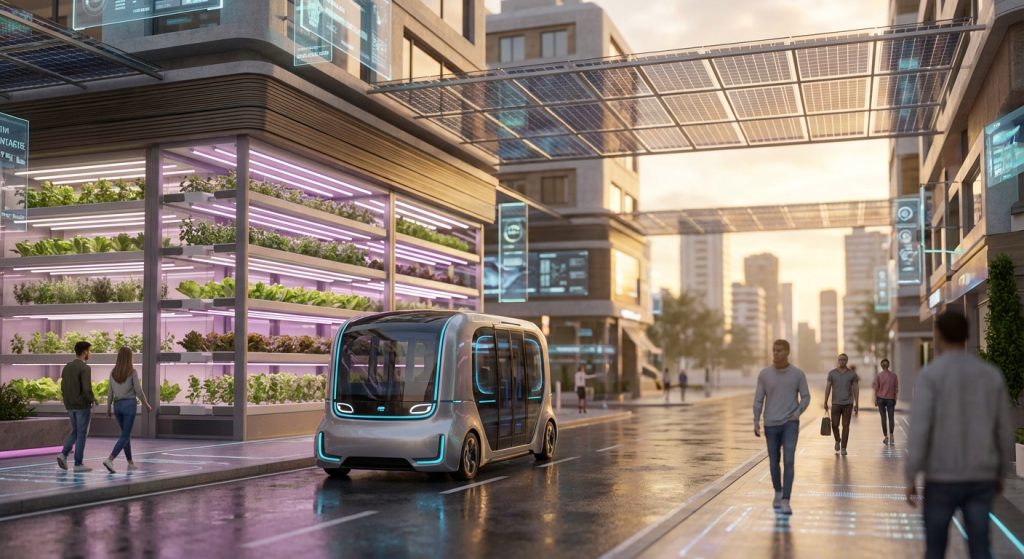
The Core of Smart Urbanism
Smart cities use data. They collect it from sensors. This data informs decisions. It helps manage city services efficiently. For example, smart grids optimize energy use. They prevent blackouts. They also integrate renewable energy sources. This reduces reliance on fossil fuels. Furthermore, smart transportation systems ease congestion. They improve air quality. They also make commuting more convenient.
Smart Grids and Energy Management
Energy consumption is a major concern. Smart grids are transformative. They use IoT devices. These devices monitor energy flow in real-time. This allows for dynamic load balancing. Cities can then better manage demand. They can also seamlessly integrate solar and wind power. This is crucial for sustainability. Therefore, smart grids are foundational for green urban development.
Intelligent Transportation Systems
Traffic congestion costs time and money. It also pollutes the air. Smart transportation uses sensors. It also uses AI. This helps optimize traffic light timing. It also provides real-time navigation. This reduces idle time. It also lowers emissions. Moreover, smart public transit systems are more efficient. They can adapt routes based on demand. This encourages more people to use them. As a result, cities become more livable.
Water Management and Conservation
Water is a precious resource. Smart cities use technology to conserve it. Smart water meters detect leaks quickly. This prevents water waste. It also reduces utility costs. Furthermore, smart irrigation systems water green spaces. They use only the necessary amount of water. This is based on soil moisture and weather. Consequently, precious water resources are preserved.
Smart Water Metering
Traditional water systems often have leaks. These leaks can go unnoticed for long periods. Smart meters send data remotely. They alert authorities to unusual usage patterns. This indicates potential leaks. Therefore, water loss is minimized. This is vital for water security.
Efficient Irrigation Technologies
Public parks and gardens need watering. Smart irrigation systems use sensors. These sensors measure soil moisture. They also gather weather data. The system then irrigates only when needed. This conserves water significantly. It also keeps green spaces healthy. This technology is essential for circular water systems.
Waste Management Innovations
Cities generate vast amounts of waste. Smart waste management improves collection. It also promotes recycling. Smart bins have sensors. These sensors detect fill levels. This allows for optimized collection routes. Trucks only visit full bins. This saves fuel and reduces emissions. Additionally, smart systems can sort recyclables more effectively. They can also identify hazardous waste. Therefore, cities become cleaner and more efficient.
Optimized Waste Collection
Waste collection is often inefficient. Trucks may visit empty bins. They might also miss overflowing ones. Smart bins change this dynamic. They signal when they are full. This allows for route optimization. As a result, collection efficiency increases. It also reduces operational costs.
Advanced Recycling Technologies
Recycling rates can improve significantly. Smart sorting facilities use AI. They identify different materials with high accuracy. This increases the quality of recycled materials. It also reduces contamination. Thus, more waste can be diverted from landfills.
Sustainable Buildings and Infrastructure
Buildings are major energy consumers. Smart building technology reduces this impact. It optimizes heating, ventilation, and air conditioning (HVAC). It also manages lighting. These systems learn occupancy patterns. They adjust settings accordingly. This saves energy without sacrificing comfort. Furthermore, smart infrastructure monitoring ensures safety. It predicts maintenance needs for bridges and roads. This prolongs their lifespan.
Smart Building Management Systems
Modern buildings can be highly efficient. Smart systems integrate sensors. They control HVAC and lighting. They do this based on real-time occupancy. This leads to substantial energy savings. It also improves occupant comfort. Therefore, buildings contribute to sustainability goals.
Infrastructure Monitoring and Maintenance
Deteriorating infrastructure poses risks. Smart sensors can monitor structural integrity. They detect subtle changes. This allows for predictive maintenance. It is much more cost-effective than reactive repairs. Consequently, public safety is enhanced. Infrastructure also lasts longer.
Citizen Engagement and Data Privacy
Smart cities rely on citizen data. This raises important questions. How can data be used ethically? How can privacy be protected? Transparent data policies are crucial. They build public trust. Citizen participation platforms empower residents. They allow them to report issues. They can also provide feedback on city services. This fosters a sense of community. It also ensures technology serves the people.
Ensuring Data Privacy
Collecting vast amounts of data has risks. Strong data protection measures are essential. Cities must be transparent about data usage. They must also anonymize data where possible. This protects individual privacy. It also builds trust. Adhering to standards for ESG data integrity is also vital.
Fostering Citizen Participation
Smart cities should not be top-down. They need citizen input. Digital platforms can facilitate this. Residents can report problems. They can also suggest improvements. This creates a more responsive government. It also strengthens community bonds.
Challenges and the Path Forward
Implementing smart city tech is complex. It requires significant investment. It also needs skilled personnel. Interoperability between different systems is a challenge. Cybersecurity is another major concern. Cities must address these hurdles. They need careful planning. They also need collaboration. This includes public-private partnerships. The goal is to create cities that are not only smart but also equitable and resilient.
Investment and Infrastructure Costs
The initial cost of smart city technology is high. Cities need to secure funding. They must also plan for long-term maintenance. This requires careful budgeting. It also needs strategic financial planning. Exploring green finance options can be beneficial.
Cybersecurity and Data Protection
Connected systems are vulnerable to cyberattacks. Protecting city infrastructure is paramount. Robust cybersecurity measures are essential. This includes regular security audits. It also requires ongoing threat assessment. Data breaches can have severe consequences. Therefore, security must be a top priority.
Interoperability and Standardization
Many smart city solutions use different platforms. Ensuring these systems can communicate is key. Standardization efforts are ongoing. They aim to create seamless integration. This allows for better data sharing. It also enhances overall system efficiency.
Conclusion
Sustainable smart city technology is no longer a futuristic concept. It is a present-day necessity. These innovations offer powerful tools. They help cities become more efficient. They also become more environmentally friendly. By embracing these technologies thoughtfully, urban planners can build better cities. They can create more livable environments for all citizens. This journey requires vision, investment, and collaboration. However, the rewards are immense.
Frequently Asked Questions
What are the main benefits of smart city technology for urban planners?
Smart city technology helps urban planners improve efficiency. It also enhances sustainability. Key benefits include optimized resource management (energy, water, waste). Additionally, it leads to reduced traffic congestion and pollution. It also improves public services and citizen engagement.
How do smart grids contribute to sustainability?
Smart grids enable better management of energy demand. They also facilitate the integration of renewable energy sources like solar and wind. This reduces reliance on fossil fuels and lowers carbon emissions.
What role does citizen engagement play in smart cities?
Citizen engagement is vital for a successful smart city. It ensures technology meets the needs of residents. Platforms for feedback and participation build trust. They also help identify and address urban challenges effectively.
What are the biggest challenges in implementing smart city technologies?
The main challenges include high initial investment costs. There are also concerns about cybersecurity and data privacy. Ensuring interoperability between different systems is another significant hurdle.
Can smart city tech help address climate change?
Yes, smart city technologies can significantly help. They reduce energy consumption, optimize transportation to lower emissions, and improve waste management. These actions directly contribute to mitigating climate change impacts.
