
Nature’s Symphony: Bioacoustics for Conservation
Published on February 4, 2026 by Admin
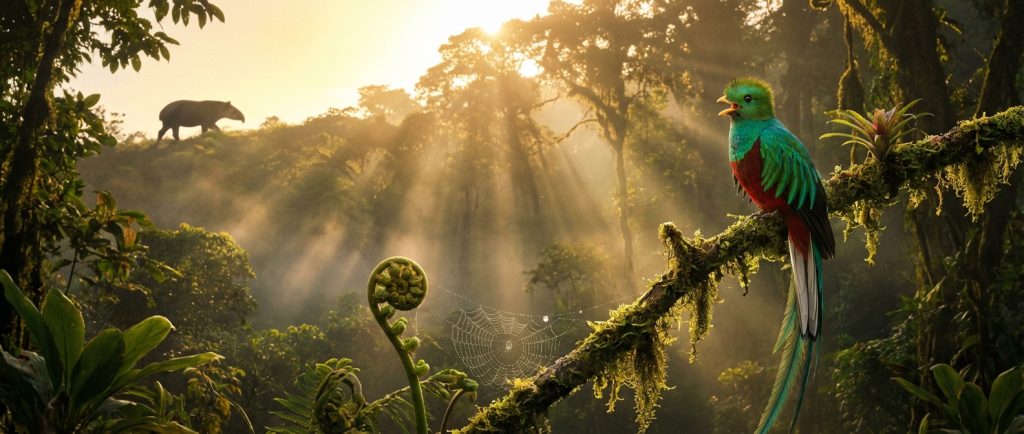
The world around us is alive with sound. Birds chirp, insects buzz, and the wind whispers through trees. These natural sounds are more than just background noise. They are vital clues to the health of our planet. Bioacoustics is the science that studies these sounds. It helps us understand and monitor nature like never before. Therefore, this field is becoming crucial for conservation efforts.
Bioacoustics uses sound to study living organisms. Scientists record and analyze the sounds animals make. These sounds reveal a lot about their behavior. They also tell us about their environment. This makes bioacoustics a powerful tool for ecological research.
What is Bioacoustics?
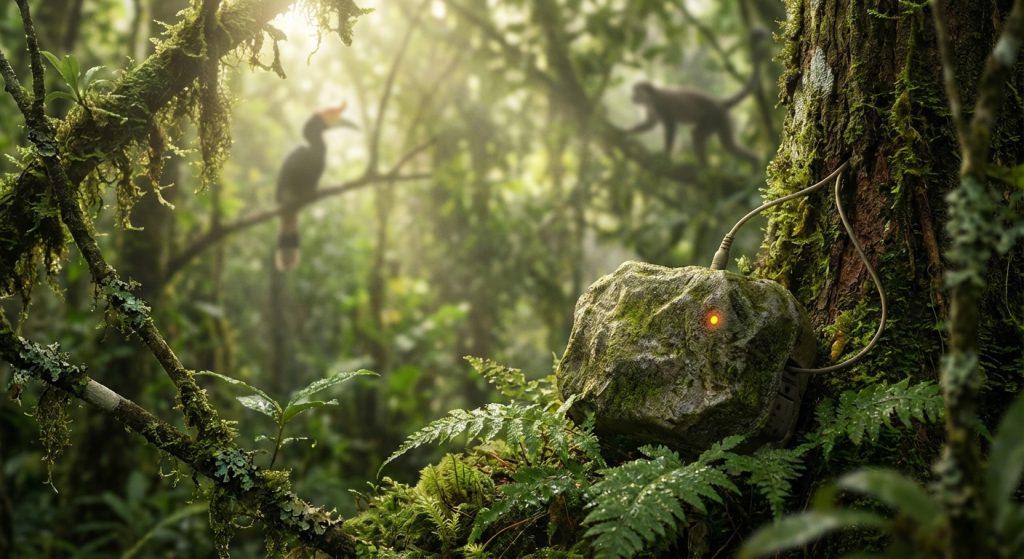
Bioacoustics is the study of sound production and reception in animals. It explores how animals use sound. It also looks at how they perceive sound. This includes everything from a frog’s croak to a whale’s song. Scientists use microphones and hydrophones to capture these sounds. Then, they use sophisticated software to analyze them. This analysis can reveal patterns and information about the animals and their habitats.
For instance, the unique vocalizations of different bird species help identify them. Similarly, the calls of whales can indicate their social structure and migration patterns. Understanding these acoustic signals is key to understanding animal life.
The Power of Sound in Monitoring Nature
Traditionally, monitoring wildlife involved direct observation. This often requires extensive fieldwork. It can also be intrusive to the animals. Bioacoustics offers a less invasive alternative. It allows researchers to collect data remotely. This is especially useful for elusive or nocturnal species. Moreover, it can cover large areas efficiently.
Sound recordings can capture the biodiversity of an ecosystem. A rich soundscape often indicates a healthy environment. Conversely, a silent or altered soundscape can signal problems. These problems might include habitat degradation or the presence of invasive species. Therefore, bioacoustics provides a unique window into ecological health.
Biodiversity Assessment
One of the primary uses of bioacoustics is assessing biodiversity. By analyzing the variety of sounds in an area, scientists can estimate the number of species present. This is known as acoustic monitoring. For example, a forest with a wide range of bird songs, insect chirps, and amphibian calls is likely very biodiverse. On the other hand, a forest dominated by only a few sounds might be less healthy.
This method is particularly valuable for cataloging species. It can also help track changes in species populations over time. For example, researchers can detect the arrival of new species or the disappearance of others simply by listening to the soundscape.
Habitat Health and Integrity
The sounds of nature are closely linked to the health of its habitats. For instance, the presence of certain species indicates specific habitat conditions. A healthy coral reef, for example, is a noisy place. It is filled with the sounds of fish, crustaceans, and other marine life. However, ocean acidification is a silent threat that can impact marine life. It can alter these soundscapes.
Conversely, human-generated noise pollution can disrupt natural soundscapes. This is a growing concern in both terrestrial and marine environments. For example, shipping traffic can mask the calls of marine mammals. This can interfere with their communication and navigation. The science of soundscapes is crucial here. It helps us understand how noise pollution affects wildlife migration.
Tracking Animal Behavior and Ecology
Animal sounds are not just for identification. They also reveal complex behaviors. For example, mating calls, territorial warnings, and alarm signals all convey important information. By studying these vocalizations, scientists can learn about animal social structures. They can also understand predator-prey dynamics. Furthermore, they can observe seasonal changes in animal activity.
For instance, analyzing the calls of bats can reveal their foraging patterns. Likewise, studying the songs of whales can provide insights into their complex social interactions. Understanding animal minds is a fascinating area that bioacoustics contributes to. It helps us understand the cognitive depths of non-human species.
Technological Advancements in Bioacoustics
The field of bioacoustics has been revolutionized by technological advancements. Modern recording devices are more sensitive and robust. They can operate in harsh environments for extended periods. Furthermore, artificial intelligence (AI) is playing an increasingly important role. AI algorithms can process vast amounts of audio data. They can identify species and detect anomalies much faster than humans.
These tools allow for continuous monitoring. This provides a detailed picture of ecosystem changes. For example, AI can now identify thousands of bird calls from long recordings. This was previously a painstaking manual process. This integration of AI powers wildlife research significantly.
Applications of Bioacoustics in Conservation
The insights gained from bioacoustics have direct applications in conservation. By understanding the acoustic signatures of healthy ecosystems, we can better protect them. We can also identify areas that are under threat. Therefore, we can prioritize conservation efforts.
Monitoring Endangered Species
Bioacoustics is invaluable for monitoring endangered species. For many rare animals, direct observation is difficult. However, their vocalizations can be detected. This allows conservationists to track their presence and distribution. For example, acoustic sensors can be deployed in remote areas to listen for the calls of endangered frogs or birds. As a result, we can better understand their populations.
This data helps in designing effective conservation strategies. It can inform habitat restoration projects. It can also guide anti-poaching efforts. For example, detecting the sounds of illegal logging or hunting can alert authorities. This is part of the global fight against illegal wildlife trade.
Combating Noise Pollution
As mentioned earlier, noise pollution is a significant threat. Bioacoustics helps quantify this threat. It also helps assess its impact on wildlife. Armed with this data, conservationists can advocate for quieter shipping lanes. They can also push for stricter regulations on industrial noise. This is vital for protecting marine life, for instance. The impact of noise on marine life is a serious concern.
Understanding the specific frequencies and amplitudes of natural sounds is key. This knowledge helps in mitigating human-induced noise. Therefore, it aims to restore natural soundscapes. The science of soundscapes is essential for this. It helps understand how noise pollution affects wildlife migration.
Restoration Ecology
Bioacoustic data can guide ecological restoration efforts. By listening to the sounds of a healthy ecosystem, scientists can set targets for restoration projects. They can then monitor progress by comparing the soundscape before and after interventions. For example, after reintroducing a species or restoring a habitat, acoustic monitoring can confirm if the desired ecological functions are returning.
This iterative process allows for adaptive management. It ensures that conservation strategies are effective. For example, restoring wetlands is crucial for freshwater filtration. Acoustic monitoring can confirm if the wetland is supporting its intended soundscape and biodiversity.
Challenges and Future Directions
Despite its promise, bioacoustics faces challenges. The sheer volume of data collected can be overwhelming. Developing efficient analysis methods is crucial. Also, standardizing recording protocols across different studies is important. This ensures data comparability.
Furthermore, interpreting complex soundscapes remains a challenge. Many species produce sounds that are difficult to distinguish. However, ongoing research in AI and machine learning is making significant progress. The future of bioacoustics looks bright. It will continue to be a vital tool for understanding and protecting our natural world.
The integration of bioacoustics with other scientific fields, like genetics and remote sensing, will offer even deeper insights. For example, linking acoustic data with genetic information can reveal population connectivity. This is a crucial aspect of conservation biology. Moreover, understanding nature’s hidden code, including the patterns in its sounds, is a continuous journey.
Frequently Asked Questions (FAQ)
What is the main goal of bioacoustics?
The main goal of bioacoustics is to study animal sounds. This includes how animals produce, transmit, and receive sounds. It helps us understand their behavior, ecology, and the health of their environments.
How does bioacoustics help in conservation?
Bioacoustics helps conservation by allowing non-invasive monitoring of wildlife. It can assess biodiversity, track endangered species, evaluate habitat health, and identify threats like noise pollution. This information guides conservation strategies.
Is bioacoustics only used for birds?
No, bioacoustics is used for a wide range of animals. This includes mammals (like whales and bats), amphibians, reptiles, and insects. Any animal that produces or uses sound can be studied using bioacoustics.
What are the main challenges in bioacoustics research?
Major challenges include managing and analyzing large volumes of audio data, standardizing recording methods, and accurately interpreting complex soundscapes. Distinguishing between similar sounds and identifying all species in a recording can also be difficult.
How does AI help in bioacoustics?
AI, particularly machine learning, is used to automate the analysis of audio recordings. It can identify species, count individuals, and detect patterns much faster and more accurately than manual methods. This significantly speeds up research and monitoring.
Conclusion
In conclusion, bioacoustics offers a unique and powerful lens through which to view the natural world. By listening to the symphony of life, we gain invaluable insights into the health of our planet. From assessing biodiversity to guiding restoration efforts, the role of bioacoustics in conservation is undeniable. As technology advances, this field will undoubtedly continue to reveal the hidden secrets of nature’s soundscapes. It will empower us to protect it more effectively.
“`
