
Micro-dosing Research: The Future of Psychedelic Medicine
Published on February 6, 2026 by Admin
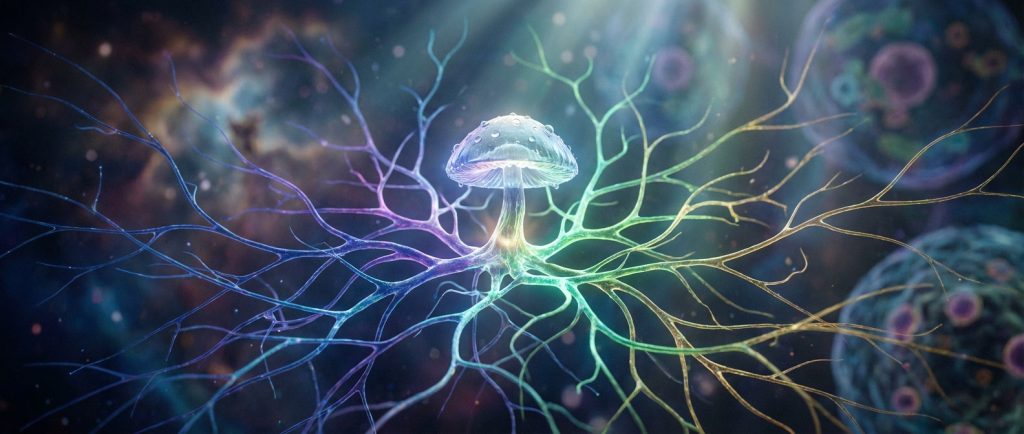
The landscape of mental health treatment is evolving rapidly. For decades, traditional therapies and pharmaceuticals have been the cornerstones of care. However, emerging research is shining a light on unconventional approaches. Among these, the study of psychedelic substances for therapeutic purposes is gaining significant traction. Specifically, micro-dosing has captured the attention of researchers and clinicians alike. This practice involves taking very small, sub-perceptual doses of psychedelic compounds. Therefore, it holds promise for a future where these substances might play a crucial role in medicine.
This article explores the current state of micro-dosing research. We will delve into its potential applications. We will also discuss the scientific underpinnings. Furthermore, we will examine the challenges and ethical considerations. Finally, we will look ahead to the medical future of psychedelic substances.

What is Micro-dosing?
Micro-dosing is not about experiencing hallucinations. Instead, it involves consuming doses typically 1/10th to 1/20th of a recreational or full therapeutic dose. For example, a common micro-dose of psilocybin (found in magic mushrooms) is around 0.1 to 0.3 grams of dried mushrooms. Similarly, LSD micro-doses are usually in the range of 5-20 micrograms. The key principle is to achieve subtle shifts in perception, mood, or cognition without any overwhelming psychoactive effects. As a result, individuals can often continue their daily activities unimpeded.
The Science Behind the Sub-Perceptual Dose
The exact neurological mechanisms of micro-dosing are still under investigation. However, current theories suggest that these small doses interact with serotonin receptors in the brain. Specifically, they often target the 5-HT2A receptor. This interaction is thought to promote neuroplasticity. Neuroplasticity refers to the brain’s ability to form new neural connections and reorganize itself. This enhanced plasticity might be responsible for the reported benefits. It could also explain how micro-dosing might help in conditions like depression or anxiety. The brain becomes more adaptable. This allows for new perspectives and coping mechanisms to emerge.
Potential Therapeutic Applications
Research into micro-dosing is exploring its potential across a range of mental health conditions. Early findings and anecdotal reports suggest several promising areas.
Depression and Anxiety
Many individuals report experiencing reduced symptoms of depression and anxiety with consistent micro-dosing. They often describe a lift in mood and a decrease in rumination. Furthermore, some find it easier to engage with their emotions. This could be due to the enhanced neuroplasticity. It might allow individuals to break free from rigid negative thought patterns. Therefore, it offers a potential new avenue for treating mood disorders.
Creativity and Focus
Another commonly reported benefit is an increase in creativity and focus. Some users describe enhanced problem-solving abilities. Others feel more present and attentive. This could be linked to subtle changes in brain connectivity. It might also be related to a reduction in distracting anxious thoughts. Consequently, micro-dosing is being explored for conditions where focus and cognitive function are impaired.
Addiction and Substance Use Disorders
Emerging research also suggests micro-dosing might aid in overcoming addiction. By potentially altering reward pathways and reducing cravings, it could offer a novel approach. It may help individuals detach from compulsive behaviors. This is a complex area. However, preliminary studies are encouraging. They suggest a role in supporting recovery.
Other Potential Benefits
Beyond these core areas, anecdotal evidence points to other benefits. These include improved sleep, increased energy levels, and enhanced empathy. However, it is crucial to note that much of this evidence is self-reported. Rigorous scientific validation is still needed for many of these claims. Nevertheless, the breadth of reported effects highlights the potential versatility of micro-dosing.
The Scientific Evidence: What Do Studies Show?
While the field is relatively young, scientific studies are beginning to provide more concrete data. Many early studies relied on self-reported outcomes. These studies often showed positive correlations between micro-dosing and improved well-being. However, these are susceptible to placebo effects. Therefore, controlled clinical trials are essential for drawing definitive conclusions.
Challenges in Research
Conducting robust research on micro-dosing faces several challenges. Firstly, the legality of these substances in many regions complicates research. Secondly, ensuring consistent dosing and purity of compounds is difficult. Thirdly, separating the effects of the substance from the placebo effect is a major hurdle. Participants often expect positive results. This expectation can significantly influence their reported experiences. Therefore, double-blind, placebo-controlled studies are critical. These studies help to isolate the true pharmacological effects.
Recent Findings
Some recent studies have begun to address these challenges. For instance, studies using advanced neuroimaging techniques are exploring brain activity changes. Others are employing more sophisticated psychological assessments. While results are still mixed, there is growing evidence suggesting that micro-dosing may have measurable effects. However, these effects are often subtle and may vary significantly between individuals. More research is needed to understand these variations. It is also important to understand the long-term implications.
Safety, Risks, and Ethical Considerations
Despite the potential benefits, micro-dosing is not without its risks. It is vital for clinicians and researchers to approach this area with caution.
Potential Side Effects
While generally considered safe at low doses, some individuals report side effects. These can include increased anxiety, headaches, or digestive issues. Moreover, there is a risk of exacerbating pre-existing mental health conditions. For example, individuals with a history of psychosis might be at higher risk. Therefore, thorough screening and medical supervision are paramount. It is also important to consider potential interactions with other medications. This is a critical concern for any psychiatric treatment. The impact of long-term, consistent micro-dosing is not yet fully understood. More research is needed on potential cumulative effects.
Legal and Regulatory Landscape
The legal status of psychedelic substances varies greatly worldwide. In many places, they are classified as controlled substances. This creates significant barriers to research and therapeutic use. However, there is a growing movement towards decriminalization and legalization for medical purposes. This shift is driven by promising research and patient advocacy. As a result, the regulatory landscape is slowly beginning to change. This may pave the way for broader clinical acceptance in the future.
Ethical Implications
The ethical considerations surrounding psychedelic micro-dosing are complex. Ensuring informed consent is crucial. Patients must understand the experimental nature of these treatments. They must also be aware of potential risks and benefits. Furthermore, equitable access to these therapies is a significant concern. As these treatments become more established, ensuring they are available to all who could benefit, regardless of socioeconomic status, will be vital. Addressing potential misuse and ensuring responsible integration into healthcare systems are also key ethical imperatives.
The Future of Psychedelic Medicine and Micro-dosing
The field of psychedelic research is experiencing a renaissance. Micro-dosing is a significant part of this new wave. It offers a potentially gentler entry point into psychedelic-assisted therapies. For many, the idea of full-dose psychedelics can be daunting. Micro-dosing provides an alternative that might be more accessible and less intimidating. This could broaden the appeal and application of these compounds.
Clinical Trials and Integration
The next decade will likely see more large-scale clinical trials. These trials will aim to confirm the efficacy and safety of micro-dosing for specific conditions. If successful, these substances could be integrated into mainstream psychiatric practice. This would require significant training for healthcare professionals. It would also necessitate the development of clear treatment protocols. The potential for these substances to revolutionize mental healthcare is immense. They could offer new hope for conditions that have been difficult to treat effectively.
Technological Advancements
Advancements in technology will also play a role. Precision dosing devices and improved methods for assessing therapeutic response could enhance the safety and efficacy of micro-dosing. Furthermore, the development of digital therapeutics that complement micro-dosing regimens is a possibility. This might include apps for tracking moods, symptoms, and adherence. The integration of these technologies could create a more comprehensive treatment paradigm. For instance, understanding how lifestyle choices impact mental well-being is crucial. Articles on topics like nature therapy and cortisol levels highlight the broader context of wellness that complements such interventions.
Conclusion
Micro-dosing research represents a fascinating frontier in medicine. It is moving beyond the traditional view of psychedelic substances as solely recreational or dangerous. Instead, it is exploring their potential as powerful therapeutic tools. While challenges remain, the growing body of evidence is compelling. The subtle yet profound effects reported by many users cannot be ignored. As research progresses, micro-dosing may well become a vital component of future mental health treatment. It offers a glimpse into a future where we harness the brain’s own plasticity for healing and growth. The journey is ongoing, but the potential for a paradigm shift in psychiatric care is undeniable.
Frequently Asked Questions (FAQ)
Is micro-dosing legal?
The legality of micro-dosing varies significantly by region. In many countries and states, the substances commonly used for micro-dosing, such as psilocybin and LSD, are still classified as illegal controlled substances. However, some areas are moving towards decriminalization or legalization for medical research and therapeutic use. It is crucial to be aware of and adhere to the laws in your specific location.
What are the most common substances used for micro-dosing?
The most commonly micro-dosed substances include psilocybin (found in certain mushrooms) and lysergic acid diethylamide (LSD). Other substances, like mescaline and DMT, are also sometimes explored, though less commonly for micro-dosing protocols.
Can I micro-dose if I have a history of mental health conditions?
It is strongly advised against micro-dosing if you have a personal or family history of psychotic disorders, such as schizophrenia or bipolar disorder with psychotic features. Individuals with other pre-existing mental health conditions should consult with a qualified healthcare professional before considering micro-dosing. The potential risks need to be carefully evaluated on an individual basis.
How often should someone micro-dose?
Typical micro-dosing protocols involve taking a dose every 3-4 days. This is often referred to as the Fadiman protocol. However, other schedules exist, such as taking it for two days and then taking two days off. The optimal frequency is still a subject of research and may vary depending on the individual and the substance used. It’s important to cycle off the substance to avoid building tolerance and to assess its ongoing effects.
Will micro-dosing show up on a drug test?
Standard drug tests typically do not screen for micro-doses of psychedelic substances like psilocybin or LSD. These tests are usually designed to detect more common illicit drugs. However, specialized forensic testing could potentially detect these compounds if specifically requested. Therefore, it’s generally considered unlikely to be detected in routine employment drug screenings.
