
Nipah Symptom Recognition: A Frontline Health Worker’s Guide
Published on February 13, 2026 by Admin

Nipah virus infection is a serious threat. It can spread quickly. Early recognition is key for controlling outbreaks. Frontline health workers are the first line of defense. This guide helps you identify Nipah symptoms. It also covers important next steps. Understanding these signs saves lives.
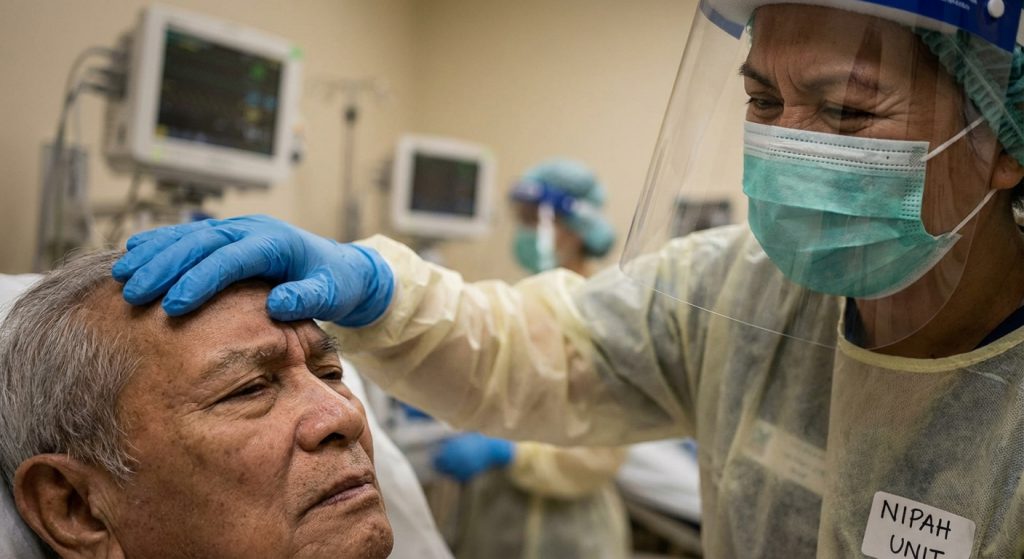
Understanding the Nipah Virus
Firstly, let’s understand what Nipah virus is. It is a zoonotic virus. This means it can pass from animals to humans. Fruit bats are the natural host. Pigs can also be infected. The virus causes severe illness. It can lead to respiratory problems and encephalitis. Encephalitis is swelling of the brain. Sadly, Nipah has a high fatality rate. This makes early detection vital.
The virus spreads through direct contact. This includes contact with infected animals or their bodily fluids. It can also spread person-to-person. This human-to-human transmission is a major concern. Understanding Nipah transmission dynamics is crucial for prevention.
Key Symptoms of Nipah Virus Infection
Recognizing the symptoms is your most important task. Nipah infection symptoms can vary. They often appear suddenly. Early symptoms can be non-specific. This makes them easy to mistake for other illnesses. Therefore, a high index of suspicion is necessary.
Initial Symptoms
Initially, Nipah infection often presents with flu-like symptoms. These include:
- Fever
- Headache
- Muscle pain (myalgia)
- Sore throat
- Vomiting
- Fatigue
These symptoms can appear within 4 to 14 days after exposure. However, sometimes the incubation period can be longer, up to 45 days. Therefore, it is important to consider recent exposure history.
Neurological Symptoms
As the infection progresses, neurological symptoms become prominent. This is due to the encephalitis caused by the virus. Key neurological signs include:
- Severe headache
- Drowsiness and disorientation
- Confusion
- Dizziness
- Seizures
- Coma
These signs indicate severe brain involvement. They require immediate medical attention. Recognizing these signs is critical for timely intervention.
Respiratory Symptoms
In addition to neurological signs, respiratory symptoms are also common. These can include:
- Cough
- Difficulty breathing (dyspnea)
- Pneumonia
Sometimes, respiratory symptoms appear first. In other cases, they develop alongside neurological signs. This dual presentation makes Nipah particularly challenging to diagnose early.
Differential Diagnosis: What Else Could It Be?
Because initial symptoms are often non-specific, it is important to consider other diseases. This is called differential diagnosis. Nipah symptoms can mimic other common and serious illnesses. Therefore, a thorough medical history is essential.
Common conditions with similar initial symptoms include:
- Influenza (the flu)
- Dengue fever
- Malaria
- Typhoid fever
- Japanese encephalitis
- Other viral encephalitides
However, the rapid onset of severe neurological or respiratory symptoms should raise a red flag for Nipah. Especially in areas where Nipah virus is known to occur. Consulting specialist guides like a resident’s guide to clinical signs can be helpful.
Risk Factors and Exposure Pathways
Understanding how Nipah spreads helps in identifying at-risk individuals. Firstly, exposure to fruit bats is a primary risk. This includes activities like:
- Gathering fruit bat secretions
- Living in close proximity to bat habitats
- Consuming food or drink contaminated by bats
Secondly, contact with infected pigs can also lead to transmission. This is common in agricultural settings. Furthermore, direct contact with the bodily fluids of an infected person is a significant risk for transmission. This includes saliva, blood, and vomit. Therefore, healthcare workers must be extremely cautious.
In addition, outbreaks have been linked to consumption of raw date palm sap. This sap can become contaminated by flying foxes. This highlights the importance of food safety awareness. It also underscores the need for public health education.
The Role of Frontline Health Workers
Frontline health workers play a critical role. They are often the first point of contact for patients. Therefore, prompt recognition of potential Nipah cases is vital. This allows for quick isolation and containment. It also ensures patients receive appropriate care sooner.
Your responsibilities include:
- Carefully assessing patient symptoms.
- Taking a detailed travel and exposure history.
- Maintaining a high index of suspicion for Nipah, especially during outbreaks.
- Implementing strict infection control measures.
- Reporting suspected cases immediately to public health authorities.
Your vigilance can prevent further spread. It is a demanding but essential role.
Immediate Actions for Suspected Cases
If you suspect a Nipah virus infection, immediate action is crucial. Firstly, isolate the patient. This prevents further transmission. Use appropriate personal protective equipment (PPE). This includes gloves, gowns, masks, and eye protection. This is vital for your own safety and to prevent wider community spread. Adhering to biohazard safety standards is non-negotiable.
Secondly, notify your supervisor and local public health authorities immediately. They will provide guidance on further management. This includes sample collection for laboratory testing. Prompt reporting helps initiate outbreak investigation and response. It also allows for timely contact tracing.
Finally, provide supportive care. There is no specific antiviral treatment for Nipah virus infection. Therefore, care focuses on managing symptoms. This includes respiratory support and management of neurological complications. Early supportive care can improve patient outcomes. It is essential to manage fever and seizures effectively.
Preventive Measures and Public Health Education
Prevention is always better than cure. Public health education is key. Firstly, promote safe practices regarding fruit bats and pigs. This includes avoiding contact with these animals and their bodily fluids. Secondly, educate communities about the risks of consuming raw date palm sap. Ensuring proper boiling or cooking of food is also important.
Furthermore, promoting good hygiene practices is essential. This includes regular handwashing. Proper waste disposal also plays a role. Educating the public about Nipah symptoms and transmission routes empowers them to take preventive actions. This is a vital part of any risk mitigation strategy.
The Importance of Early Diagnosis and Testing
Early diagnosis is critical. It allows for prompt isolation and treatment. Laboratory confirmation is essential. Various diagnostic tests can detect Nipah virus. These include:
- Reverse transcription polymerase chain reaction (RT-PCR) for detecting viral RNA.
- Antibody-detection tests (ELISA) for identifying past or present infection.
- Virus isolation in cell culture.
Samples can be collected from blood, urine, saliva, and cerebrospinal fluid. Timely testing helps confirm the diagnosis. It also aids in understanding the extent of the outbreak. Breakthroughs in Nipah diagnostic methods are continuously being developed.
Conclusion
Recognizing Nipah virus symptoms is a critical skill for frontline health workers. The initial flu-like symptoms can be deceptive. However, the rapid progression to severe neurological or respiratory distress is a key indicator. By remaining vigilant, understanding risk factors, and acting swiftly, you can make a significant difference. Early isolation, prompt reporting, and appropriate supportive care are paramount. Furthermore, ongoing public health education remains vital for Nipah prevention. Your role is indispensable in protecting communities from this dangerous virus.
Frequently Asked Questions (FAQ)
What are the very first signs of Nipah virus infection?
The very first signs often resemble a bad flu. This includes fever, headache, muscle pain, and a sore throat. Vomiting and fatigue are also common.
How quickly do symptoms appear after exposure?
Symptoms typically appear between 4 to 14 days after exposure. However, in some rare cases, it can take up to 45 days.
Can Nipah virus be treated?
Currently, there is no specific antiviral treatment for Nipah virus infection. Treatment focuses on supportive care to manage symptoms and complications.
What is the main way Nipah virus spreads?
Nipah virus primarily spreads through direct contact with infected animals (like fruit bats or pigs) or their bodily fluids. It can also spread from person to person through close contact with an infected individual’s secretions.
Should I be concerned about Nipah if I don’t live in an affected region?
While Nipah virus outbreaks are currently concentrated in certain regions, global travel means it’s always wise for healthcare professionals to be aware of potential emerging infectious diseases. Staying informed about global health threats is important.
What is the fatality rate of Nipah virus infection?
Nipah virus infection has a high fatality rate, ranging from 40% to 75% in past outbreaks. This underscores the importance of early recognition and intervention.
Are there any vaccines available for Nipah virus?
While research is ongoing, there is currently no approved vaccine for Nipah virus in humans. However, promising developments in mRNA Nipah vaccine progress are being made.
