
Wearable Biosensors: The 24/7 Monitoring Era for Chronic Disease Prevention
Published on January 12, 2026 by Admin
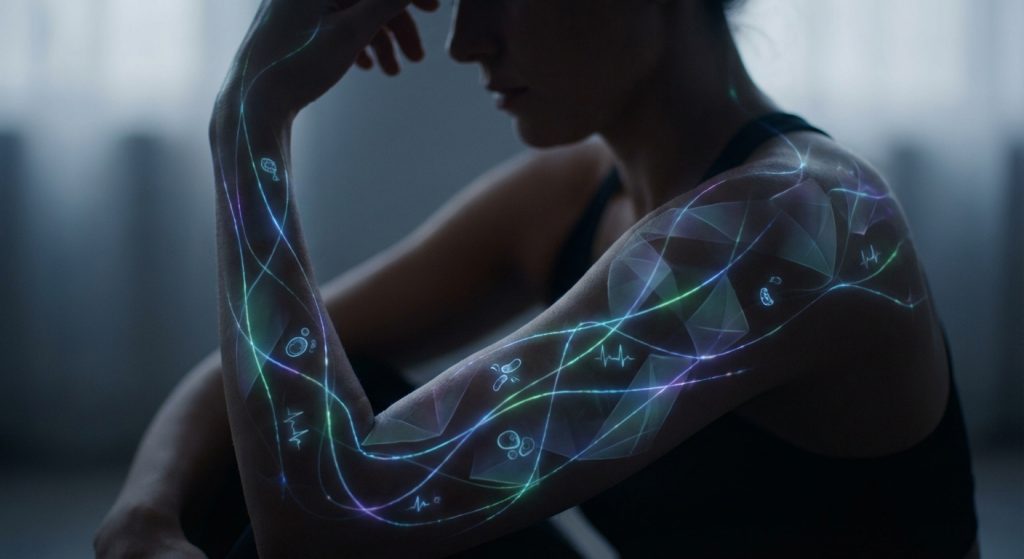
The landscape of healthcare is rapidly evolving. Continuous monitoring is no longer a futuristic concept but a present reality. Wearable biosensors are at the forefront of this transformation. They offer a powerful way to track our health around the clock. This technology is a game-changer for chronic disease prevention. It empowers individuals and clinicians alike. This article explores the current state and future of wearable biosensors.
The Rise of Continuous Health Monitoring
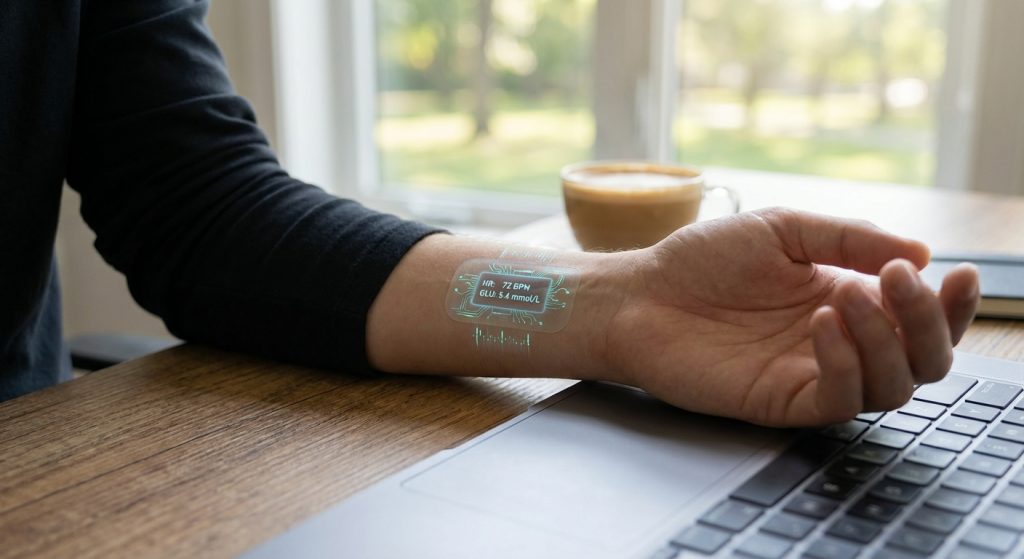
Traditionally, health checks were episodic. We visited doctors for periodic check-ups. This often meant missing early signs of disease. Wearable biosensors change this paradigm. They are integrated into everyday items. Think smartwatches, patches, or even clothing. These devices continuously collect vital physiological and biochemical data. This includes heart rate, glucose levels, and hydration status. Such constant oversight is crucial. It allows for early detection of anomalies. It also enables proactive health management.
Recent advancements in sensor design are remarkable. Miniaturization, new materials, and better wireless communication make these devices more functional and comfortable. Therefore, they are becoming more accessible to everyone. This accessibility is key to widespread adoption. It is transforming how we approach health and wellness. We can now detect subtle changes before they become serious problems.
Key Technologies Driving Wearable Biosensors
The development of wearable biosensors relies on several key technological pillars. Firstly, advancements in materials science are critical. Flexible and stretchable materials allow sensors to conform to the body. They ensure comfort during continuous wear. Secondly, miniaturization of electronic components is essential. Smaller sensors are less intrusive. They can be integrated seamlessly into various form factors. Finally, efficient wireless communication protocols are vital. They enable real-time data transmission to smartphones or cloud platforms. This data then needs sophisticated analysis.
These technologies work in synergy. They create sophisticated devices. These devices can measure a wide range of parameters. This includes physical signals like heart rate and movement. It also includes biochemical markers. For example, sweat analysis can reveal hydration levels or blood glucose. This comprehensive data collection is unprecedented. It offers a holistic view of an individual’s health.
Types of Wearable Biosensors
Wearable biosensors can be broadly categorized. Some focus on physical parameters. These include accelerometers for activity tracking and heart rate monitors. Others are chemical sensors. They can detect specific molecules in sweat or interstitial fluid. Biosensors are a crucial sub-category. They can detect biomarkers related to various diseases. For instance, electrochemical biosensors are widely used. They offer high sensitivity and selectivity.
The integration of Artificial Intelligence (AI) is a significant trend. AI-enabled wearable sensors can process vast amounts of data. They can identify complex patterns. This leads to more accurate diagnoses and personalized insights. AI helps in self-learning and real-time data processing. This makes the sensing platform more intelligent. It is crucial for efficient medical care. As one review notes, AI is essential for accurate clinical decision-making using AI-enabled wearable sensors.
Applications in Chronic Disease Prevention
Wearable biosensors offer immense potential in preventing chronic diseases. Early detection is paramount. For example, continuous glucose monitoring (CGM) is transforming diabetes management. It helps patients and doctors understand glucose trends. This leads to better control and fewer complications. Similarly, heart rate and ECG monitoring can detect arrhythmias. This aids in preventing strokes and other cardiovascular events. These devices provide continuous data. This data is much richer than snapshots from a clinic.
Furthermore, these sensors can monitor lifestyle factors. Activity levels, sleep patterns, and even stress indicators can be tracked. These factors are strongly linked to chronic diseases. For instance, poor sleep is associated with numerous health issues. Understanding these connections allows for targeted interventions. This proactive approach can significantly reduce disease incidence. It is a shift from reactive treatment to preventive care. This approach aligns with the growing emphasis on lifestyle medicine for chronic conditions. You can learn more about lifestyle medicine for chronic diseases here.
Cardiovascular Health Monitoring
Cardiovascular diseases remain a leading cause of mortality worldwide. Wearable biosensors are a powerful tool for monitoring heart health. Smartwatches and chest straps can continuously track heart rate. Some advanced devices can even perform electrocardiograms (ECGs). This allows for the detection of atrial fibrillation and other arrhythmias. Such early detection is vital. It enables timely intervention and can prevent serious cardiac events. Moreover, blood pressure monitoring is an emerging area. Continuous, non-invasive blood pressure measurement would be revolutionary for hypertension management.
These devices empower individuals to take an active role in their heart health. They provide tangible data. This data can motivate lifestyle changes. For example, seeing real-time heart rate data during exercise can encourage healthier habits. Cardiologists can use this data to personalize treatment plans. They can get a clearer picture of a patient’s cardiovascular status between visits. This continuous insight is invaluable for managing conditions like heart failure.
Diabetes Management and Prediction
Diabetes is another major chronic disease. Wearable biosensors, particularly continuous glucose monitors (CGMs), have revolutionized its management. CGMs provide real-time glucose readings. They alert users to high or low blood sugar levels. This allows for immediate adjustments to diet, exercise, or medication. This constant feedback loop helps maintain glycemic control. It significantly reduces the risk of long-term complications. These complications include nerve damage, kidney disease, and vision loss.
Beyond monitoring, research is exploring predictive capabilities. By analyzing glucose trends and other physiological data, AI algorithms may predict future glucose excursions. This allows for even more proactive management. The goal is to prevent dangerous fluctuations before they occur. This predictive power is a major step towards true disease prevention. It moves beyond managing existing conditions to actively averting them.
Challenges and Future Perspectives
Despite significant progress, challenges remain. Data accuracy and reliability are paramount. Ensuring that sensor readings are precise is critical for clinical decision-making. This requires rigorous validation and calibration. Another challenge is data security and privacy. Health data is sensitive. Robust measures are needed to protect it from unauthorized access. Furthermore, the cost and accessibility of advanced wearable devices can be a barrier for some populations.
Looking ahead, the future is bright. We can expect even more sophisticated sensors. These will monitor a wider range of biomarkers. Integration with AI will become deeper. This will lead to more personalized and predictive healthcare. Imagine biosensors that can detect early signs of cancer or neurodegenerative diseases. The concept of “digital twins” – virtual replicas of individuals based on their health data – is also on the horizon. This could allow for highly personalized treatment simulations. The field of AI in personalized healthcare is rapidly advancing, offering new avenues for precision treatments from genetic mapping to precision treatment.
The Role of AI and Machine Learning
Artificial Intelligence (AI) and Machine Learning (ML) are transforming wearable biosensor technology. They are essential for making sense of the massive amounts of data generated. AI algorithms can identify subtle patterns and anomalies. These patterns might be invisible to the human eye. This capability is crucial for early disease detection. For example, ML models can analyze ECG data. They can detect arrhythmias with high accuracy. They can also predict the likelihood of developing certain conditions based on historical data.
Moreover, AI enhances the user experience. It personalizes feedback and recommendations. Instead of raw data, users receive actionable insights. This makes health management more intuitive. It also improves adherence to health recommendations. The synergy between advanced sensing hardware and intelligent software is key. This combination creates a powerful platform for proactive health management. As noted in a review, AI is vital for big data processing and self-learning in intelligent sensing platforms using AI technology in combination with wearable technology.
Ethical Considerations and Data Governance
As wearable biosensors become more integrated into our lives, ethical considerations are paramount. Data privacy is a major concern. Who owns the health data collected? How is it stored and protected? Clear regulations and robust security measures are essential. Transparency about data usage is also critical. Users must understand how their data is being used. Consent mechanisms need to be clear and user-friendly.
Furthermore, there’s the issue of digital divide. Ensuring equitable access to these technologies is important. We must avoid creating a two-tiered healthcare system. This means addressing affordability and digital literacy. The potential for misuse of health data, such as by insurance companies, must also be considered. Robust data governance frameworks are needed. These frameworks should protect individuals while enabling beneficial research and innovation. The development of wearable technology also raises questions about human enhancement and autonomy. It is important to consider these aspects as the technology matures.
Conclusion: A New Era of Health Vigilance
Wearable biosensors are ushering in a new era of health vigilance. They offer continuous, personalized monitoring. This capability is a powerful tool for chronic disease prevention. By enabling early detection, proactive management, and data-driven insights, these devices empower individuals and healthcare professionals. While challenges related to accuracy, privacy, and accessibility exist, ongoing technological advancements and ethical considerations are paving the way for a future where chronic diseases are better prevented and managed. The 24/7 monitoring era is here, and it promises a healthier future for all.
Frequently Asked Questions (FAQ)
What are the main benefits of wearable biosensors for chronic disease prevention?
Wearable biosensors offer continuous monitoring of physiological and biochemical data. This allows for early detection of health anomalies, enabling proactive intervention. They empower individuals to track lifestyle factors linked to chronic diseases. This leads to better management and potentially prevents disease onset.
How do wearable biosensors help manage cardiovascular health?
They continuously track heart rate and can perform ECGs to detect arrhythmias like atrial fibrillation. This early detection is crucial for preventing serious cardiac events such as strokes. Advanced devices are also exploring continuous blood pressure monitoring.
Can wearable biosensors predict diseases?
While primarily used for monitoring, AI and machine learning algorithms integrated with wearable data show promise in predicting disease risks. For example, they can analyze glucose trends to predict future blood sugar fluctuations in diabetics.
What are the biggest challenges facing wearable biosensor technology?
Key challenges include ensuring data accuracy and reliability, protecting sensitive health data from breaches (privacy and security), and making these technologies affordable and accessible to all populations.
How is AI used with wearable biosensors?
AI and machine learning are used to process the vast amounts of data collected by wearables. They identify complex patterns, detect subtle anomalies for early diagnosis, and provide personalized insights and recommendations to users.
