

Have you ever wondered why some diets work wonders for one person but fail for another? The answer might be hidden within your DNA. Nutrigenomics is a revolutionary field. It explores the intricate relationship between your genes and nutrition. Furthermore, it allows us to design diets tailored to your unique genetic makeup. This personalized approach moves beyond one-size-fits-all recommendations. Instead, it focuses on optimizing your health based on your specific genetic variations, known as SNPs (Single Nucleotide Polymorphisms).
Understanding your genetic predispositions can unlock powerful insights. These insights can guide your food choices. They can also help you manage health risks. Therefore, nutrigenomics offers a powerful tool for nutritionists and health-conscious individuals alike. It paves the way for truly personalized wellness strategies.
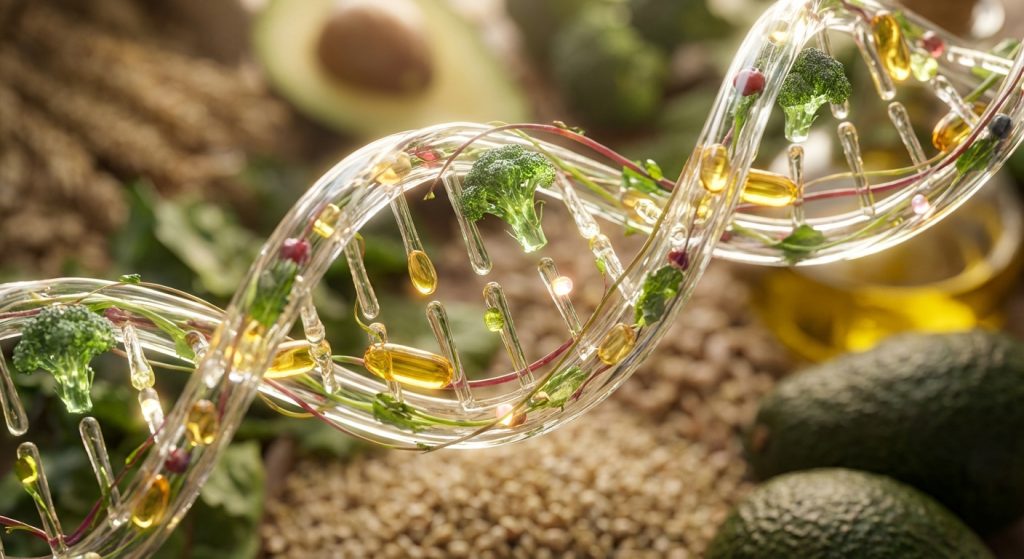
What is Nutrigenomics?
Nutrigenomics is the study of how nutrients interact with your genes. It examines how your genes influence your response to food. Conversely, it also investigates how what you eat affects your gene expression. This bidirectional relationship is key to understanding personalized nutrition.
Your genes are like a blueprint. They provide instructions for your body’s functions. However, these instructions are not always identical for everyone. Small variations, or SNPs, can lead to different responses. For instance, some people might metabolize fats differently. Others might have a higher need for certain vitamins. Nutrigenomics deciphers these genetic differences.
The ultimate goal is to use this knowledge. This allows for the creation of dietary plans. These plans are designed to optimize health. They also aim to prevent diet-related diseases. It’s about eating for your genes, not just for your taste buds.
Understanding SNPs and Genetic Variations
SNPs are the most common type of genetic variation. They occur when a single DNA building block (nucleotide) differs between individuals. Think of them as tiny typos in the genetic code. Most SNPs have no effect. However, some can influence how your body processes nutrients. They can also affect your susceptibility to certain health conditions.
For example, a common SNP in the MTHFR gene can affect folate metabolism. This means some individuals may struggle to convert folate into its active form. Therefore, they might benefit from specific forms of folate in their diet. Another example is the APOE gene. Variations in APOE can influence how your body handles cholesterol. This has implications for cardiovascular health.
Genetic testing can identify these SNPs. This information is then used to create personalized dietary advice. It’s important to remember that genes are not destiny. They represent predispositions. Lifestyle and environmental factors play a huge role. Nutrigenomics helps you understand your predispositions. It empowers you to make informed choices.
How SNPs Influence Diet Response
Different SNPs can impact various aspects of nutrient metabolism. These include:
- Macronutrient Metabolism: Some genetic variations affect how efficiently your body processes carbohydrates, fats, and proteins. For example, variations in the FTO gene are linked to obesity. They might influence appetite and energy expenditure.
- Micronutrient Absorption and Utilization: Your genes can influence how well you absorb and use vitamins and minerals. For instance, certain SNPs can affect vitamin D receptor function. This means some people may need more vitamin D than others.
- Detoxification Pathways: Genes involved in detoxification can vary. This can impact how well your body processes environmental toxins. Certain foods can support or hinder these pathways.
- Inflammation and Oxidative Stress: Genetic factors can influence your body’s inflammatory response. Some individuals may be genetically predisposed to higher levels of inflammation. Specific dietary patterns can help mitigate this.
- Food Sensitivities and Intolerances: While not solely genetic, certain genes can play a role in how you react to specific foods, like lactose or gluten.
The Process of Nutrigenomic Testing
Embarking on a nutrigenomic journey typically involves several steps. Firstly, you will undergo genetic testing. This usually involves a simple saliva or cheek swab. This sample is then sent to a specialized lab. There, your DNA is analyzed for specific SNPs relevant to nutrition. The results are then compiled into a comprehensive report.
This report is not a diagnosis. Instead, it’s a guide. It highlights your genetic predispositions. It may also suggest potential dietary strategies. For example, it might recommend increasing intake of certain antioxidants. Alternatively, it could advise on reducing consumption of specific fats. It is crucial to work with a qualified nutritionist or health professional. They can interpret these results accurately. They can also translate them into actionable dietary advice.
It is important to choose a reputable testing provider. Look for companies that clearly explain their methodology. They should also emphasize the ethical use of your genetic data. Your privacy is paramount. You should understand how your information will be used and protected.
Designing Your Gene-Based Diet
Once you have your genetic report, the real work begins. Designing a diet based on your SNPs is a collaborative process. Your nutritionist will review your report. They will also consider your current health status. They will factor in your lifestyle, preferences, and any existing health conditions. This holistic approach ensures the diet is effective and sustainable.
For instance, if your report indicates a slower metabolism for saturated fats, your plan might emphasize lean proteins and healthy unsaturated fats. Conversely, if you have a genetic predisposition for vitamin C deficiency, your diet will be rich in citrus fruits, bell peppers, and berries. The goal is to create a balanced eating pattern. This pattern supports your unique genetic needs. It also promotes optimal well-being.
This personalized approach can lead to significant improvements. You might experience better energy levels. You could also notice improvements in digestion. Furthermore, it can help manage weight more effectively. It might also reduce the risk of developing certain chronic conditions over time. This is the power of eating in alignment with your genes.
Examples of SNP-Diet Interactions
Let’s look at a few concrete examples:
- Lactose Intolerance: Variations in the LCT gene can affect lactase enzyme production. This enzyme breaks down lactose, the sugar in milk. If you have a genetic predisposition for lactose intolerance, you might experience digestive discomfort after consuming dairy. Your nutrigenomic plan could suggest lactose-free alternatives or enzyme supplements.
- Caffeine Metabolism: The CYP1A2 gene influences how quickly your body breaks down caffeine. If you are a “slow metabolizer,” you might feel jittery or have trouble sleeping after coffee. Your plan could recommend limiting caffeine intake or choosing it earlier in the day.
- Vitamin D Needs: Several genes are involved in vitamin D metabolism. Variations can affect how efficiently your body converts sunlight into usable vitamin D. Some individuals may require higher dietary intake or supplementation.
- Omega-3 Fatty Acid Processing: Genes like FADS1 and FADS2 affect how well your body converts ALA (found in plant sources) into EPA and DHA (found in fatty fish). If you are a poor converter, you might benefit from including more fatty fish in your diet.
Benefits of a Nutrigenomic Approach
The advantages of adopting a nutrigenomic diet are numerous. Firstly, it offers unparalleled personalization. Your diet is tailored specifically to you. This increases its effectiveness. Secondly, it can lead to improved health outcomes. By addressing your unique genetic needs, you can optimize your body’s functions. This includes metabolism, energy production, and immune response. For example, understanding your predispositions can help in preventing diseases like type 2 diabetes or certain cardiovascular conditions. This proactive approach is incredibly valuable. It is also a powerful tool for managing weight effectively. It can help identify why certain weight loss strategies might not be working for you. Finally, it fosters a deeper understanding of your own body. This knowledge empowers you to make sustainable lifestyle choices.
This approach can also improve athletic performance. Athletes can optimize their nutrition. This supports energy levels and recovery. It can also enhance muscle repair. Furthermore, it contributes to overall longevity. By optimizing cellular health and reducing inflammation, you can support a longer, healthier life. This is closely related to understanding mitochondrial health.
Limitations and Considerations
While nutrigenomics is promising, it’s essential to acknowledge its limitations. Genetic information is just one piece of the puzzle. Your environment, lifestyle, and gut microbiome also play significant roles. For instance, microbiome diversity can greatly influence nutrient absorption and overall health. Therefore, a purely gene-driven diet might not be sufficient on its own.
Furthermore, the science is constantly evolving. New research emerges regularly. It’s crucial to work with professionals who stay updated. They can provide the most current and accurate advice. Genetic testing can also be expensive. The interpretation of results requires expertise. It is not a DIY endeavor.
It’s also important to avoid over-interpreting results. Genes do not dictate your entire health story. They provide potential. Your choices and environment shape the outcome. Therefore, a balanced perspective is key. Nutrigenomics should complement, not replace, general healthy eating principles.
The Future of Personalized Nutrition
The field of nutrigenomics is rapidly advancing. As technology improves, genetic testing becomes more accessible and comprehensive. We can expect more sophisticated insights. These will go beyond basic SNPs. They will likely incorporate epigenetics and the microbiome. Epigenetics explores how lifestyle and environment can change gene expression. This adds another layer of personalization. Understanding your epigenetic influences is becoming increasingly important.
Wearable technology will also play a role. Devices that track metabolic markers in real-time can provide valuable feedback. This feedback can be integrated with genetic data. This creates a dynamic and responsive approach to nutrition. The ultimate vision is a future where your diet is continuously optimized. It will be based on your unique genetic code, current physiology, and lifestyle.
This personalized approach promises a new era of preventative health. It empowers individuals to take control of their well-being. It moves us closer to truly understanding “food as medicine.”
Frequently Asked Questions (FAQ)
Is nutrigenomics suitable for everyone?
Nutrigenomics can benefit most individuals seeking to optimize their health. However, it’s most powerful when combined with professional guidance. It’s not a magic bullet but a tool for informed decision-making.
How accurate is nutrigenomic testing?
The accuracy of the genetic sequencing itself is very high. However, the interpretation of SNPs and their impact on nutrition is an evolving science. Working with a qualified expert is crucial for accurate interpretation and application.
Can nutrigenomics cure diseases?
Nutrigenomics is primarily a tool for personalized nutrition and disease prevention. It is not a cure for existing diseases. However, it can play a significant role in managing chronic conditions and reducing risk factors.
How long does it take to see results from a nutrigenomic diet?
Results can vary. Some individuals notice improvements in energy or digestion within weeks. Others may take months to see significant changes. Consistency and adherence to the personalized plan are key.
Is my genetic data safe?
Reputable nutrigenomics companies adhere to strict privacy policies. It’s essential to research the company’s data security and usage practices. You should always be in control of your genetic information.
Conclusion
Nutrigenomics offers a fascinating glimpse into the future of health and wellness. By understanding your unique genetic blueprint, you can design a diet that truly works for you. It moves beyond generic advice. It empowers you to make targeted nutritional choices. This personalized approach can lead to enhanced well-being. It also supports long-term disease prevention. While it has limitations, the potential of nutrigenomics is undeniable. It is a powerful tool for anyone committed to optimizing their health from the inside out.
